
Main Courses
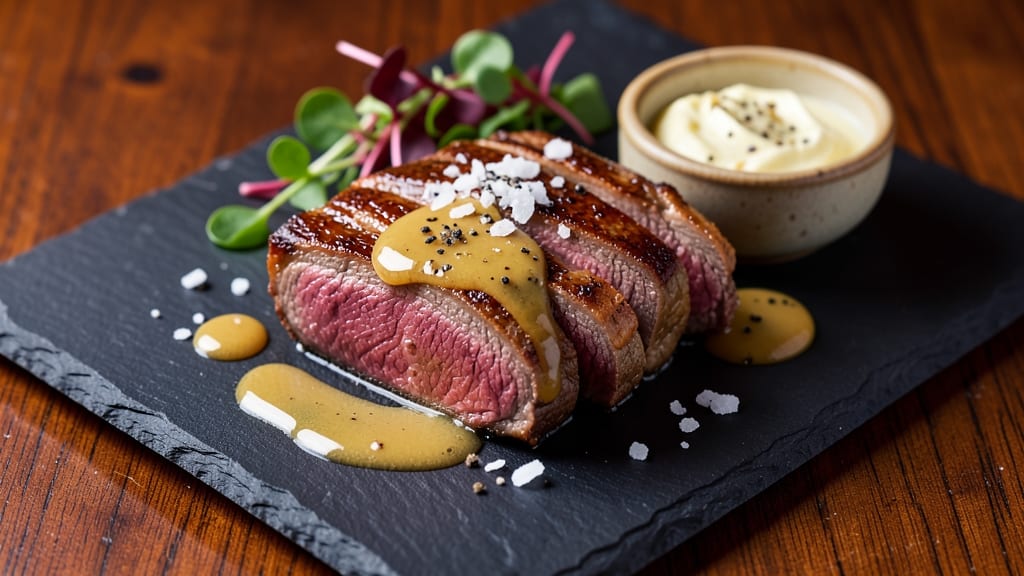
Angus beef tenderloin steak delivers the perfect balance: a buttery interior and a charred crust that locks in every ounce of flavor. This recipe transforms a simple cut into a restaurant-worthy centerpiece with just a few key techniques—proper seasoning, precise temperature control, and the patience to let the meat rest. I've perfected this method after years of testing, and the results speak for themselves: juicy, tender, and impossibly flavorful with every bite.
The secret lies in the sear. Starting with a cold pan and gradually increasing the heat ensures an even crust without overcooking the interior. A high-quality dry rub—just salt, pepper, and a touch of garlic powder—lets the natural richness of the beef shine through.
Basting with melted butter during the last few minutes adds a luxurious finish, creating that coveted caramelized crust while keeping the inside perfectly medium-rare.
What you’ll end up with is a steak that’s tender enough to melt in your mouth yet firm enough to hold its shape, all while boasting a deep, savory crust. The key to success?
Letting the steak rest for at least 10 minutes before slicing—this ensures every bite stays juicy and doesn’t lose its moisture. Serve it on a warm plate with a sprinkle of flaky sea salt and a pat of that same basting butter for an elegant touch.
Pair this steak with roasted garlic mashed potatoes or a simple arugula salad to complete the meal. The beauty of this recipe is its versatility—whether you're cooking for a special occasion or treating yourself to a weeknight dinner, this method guarantees a steak that feels like a five-star restaurant experience.
Let’s get started with the steps to achieve perfection.
Ingredients for angus beef tenderloin steak
Nine ingredients to transform Angus beef tenderloin into a restaurant-quality masterpiece.
| Ingredient | Amount | Notes |
|---|---|---|
| Angus Beef Tenderloin 🥩 | 2 lb | Center-cut, 1.5-inch thick slices |
| Unsalted Butter 🧈 | ½ cup | Cold, cut into 8 pieces |
| Kosher Salt 🧂 | 1 ½ tsp | Diamond Crystal preferred |
| Freshly Ground Black Pepper 🌶️ | 1 tsp | Coarse grind for texture |
| Garlic Powder 🧄 | ½ tsp | Freshly ground preferred |
| Flaky Sea Salt 🧂 | 1 tbsp | For finishing, Maldon preferred |
| Vegetable Oil 🫒 | ¼ cup | High smoke point, like avocado |
| Fresh Rosemary 🌿 | 2 sprigs | For garnish, optional |
| Fresh Thyme 🌿 | 2 sprigs | For garnish, optional |
The beef is non-negotiable here. Angus tenderloin from a trusted butcher—D'Artagnan or your local specialty shop—makes all the difference. Look for a center-cut roast with good marbling, and ask for it to be sliced into 1.5-inch thick pieces. The thicker the steak, the more forgiving it is during cooking. I always buy mine from Whole Foods or a high-end grocery store, where the quality is consistently excellent. If you're buying a whole tenderloin, trim off any silver skin and excess fat before slicing—it keeps the steak looking elegant and ensures even cooking.
No flaky sea salt? Diamond Crystal kosher salt works in a pinch, but Maldon adds that perfect crunch. Short on fresh herbs? Dried rosemary and thyme at half the amount will still add depth. The vegetable oil is purely for the initial sear—avocado or grapeseed oil have high smoke points and won't overpower the beef. For the garlic powder, if you've got whole garlic, toast and grind it fresh. The difference is subtle but noticeable. And if you're feeling adventurous, swap the rosemary for fresh thyme sprigs—it pairs beautifully with the beef's natural richness.
The steak should rest at room temperature for 30-45 minutes before cooking—this ensures even doneness. Keep it covered loosely with plastic wrap to prevent drying. Leftover steak? Slice against the grain and store in an airtight container for 3-4 days. For longer storage, vacuum-seal and freeze for up to 6 months. The basting butter can be reheated gently in the microwave for 20 seconds before serving—just enough to soften it without melting completely.
Why You'll Love This Recipe
- Foolproof Timing: I swear by this method—just 15 minutes of hands-off searing in a screaming-hot pan, then 10 minutes in the oven. That butter basting? It’s basically self-saucing if you let it pool around the edges.
- Butter-Basted Magic: The moment that rich butter melts into the crust, you’ll understand why this isn’t just a steak—it’s a moment. Garlic powder and pepper turn it from good to “why didn’t I do this sooner?”
- Date Night Ready: No fancy plating needed. Slice it, serve it with a sprinkle of flaky salt, and suddenly you’re feeding someone special without stressing over sides or presentation.
- Leftovers That Lie: Between us, the second day is even better. Cold slices in a sandwich? Yes. Reheated with a pan sear? Even better. I’ve hidden these in meals for days—no one ever suspects.
Step-by-step instructions for perfectly cooked Angus beef tenderloin steak
Here's the method for achieving a buttery interior paired with a perfectly charred crust every time.
Prepare the Steak for Optimal Cooking
Remove the 2 lb Angus Beef Tenderloin from the refrigerator and let it sit at room temperature for 30 minutes before cooking. This ensures even cooking throughout the thick slices. Pat the steak dry completely with paper towels—moisture prevents proper searing and creates steam instead of a crust.
In a small bowl, combine the 1.5 tsp Kosher Salt, 1 tsp Freshly Ground Black Pepper, and 0.5 tsp Garlic Powder. Rub this mixture evenly over all sides of the steak, pressing gently to help the seasoning adhere. The salt will draw out moisture initially, but this is essential for developing that charred crust later.
Sear the Steak in Vegetable Oil
Heat a heavy skillet (cast iron works best) over medium-high heat until it's smoking hot. Add the 0.25 cup Vegetable Oil and let it shimmer for 1-2 minutes—this ensures the oil is hot enough to create that perfect sear without burning.
Place the steak in the skillet and let it sear undisturbed for 3-4 minutes per side. You'll know it's ready to flip when you see a deep golden-brown crust forming and the steak releases easily from the pan. Press down gently on the steak during the first minute to prevent curling, which ensures even contact with the hot surface.
Add Butter and Herbs for Flavor
Once the steak has developed a crust on both sides, reduce the heat to medium and add the 0.5 cup Unsalted Butter cut into pieces. Tilt the skillet slightly and spoon the melted butter over the steak for 1-2 minutes until it's glossy and basted evenly.
Add the 2 sprigs Fresh Rosemary and 2 sprigs Fresh Thyme to the skillet, allowing their aromatic oils to infuse into the butter. The butter will foam and bubble slightly—this is normal and indicates the herbs are releasing their flavors. Let the steak cook for an additional 2-3 minutes to reach your desired doneness.
Rest and Finish with Flaky Sea Salt
Transfer the steak to a warm cutting board and let it rest for 10-15 minutes before slicing. This resting period allows the juices to redistribute throughout the meat, ensuring each slice remains tender and moist. Tent loosely with foil to keep it warm during this time.
Just before serving, sprinkle the steak generously with the 1 tbsp Flaky Sea Salt. The salt enhances the natural beefy flavor and adds a delightful textural contrast to the tender interior. Slice against the grain into ½-inch thick portions and serve immediately for the best results.
Pro Tips For Making Angus Beef Tenderloin Steak
- Use a Meat Thermometer: Angus tenderloin looks done before it actually is—this cut is so tender it hits perfect doneness at 125°F (medium-rare). I learned this the hard way after slicing into a steak that was still gray inside. Trust the thermometer, not your eyes.
- Pat Dry with Paper Towels: Wet beef steaks steam instead of sear. Grab thick paper towels and press hard—get that surface bone-dry before hitting the pan. I used to skip this and wondered why my crust never formed right.
- Salt Before Butter: Season the steak generously with kosher salt and garlic powder at least 40 minutes before cooking. The salt penetrates deeper, and the butter won’t just melt into a salty sludge. (Yes, even if you’re impatient like me.)
- Sear in Cold Butter: Start with 2 tablespoons of cold unsalted butter in your pan—it’ll foam up and create an insane crust. Once the steak is seared, add another pat of butter and a pinch of pepper to baste. This isn’t the prettiest method, but it’s the tastiest.
Best sauces and condiments for this recipe
Classic Red Wine Reduction
This rich, velvety sauce elevates your steak to next-level restaurant quality. Start by deglazing the pan after searing with ½ cup dry red wine (I prefer Cabernet Sauvignon or Merlot) and 2 tbsp beef stock.
Simmer for 5 minutes until reduced by half, then whisk in 1 tbsp cold butter to finish. The acidity cuts through the richness while enhancing the beef's natural depth. 🍷
Garlic-Herb Compound Butter
Mix ½ cup softened unsalted butter with 2 minced garlic cloves, 1 tbsp chopped fresh thyme, and 1 tsp lemon zest. Roll into a log, chill for 30 minutes, then slice and place on top of each steak slice when serving.
The butter melts beautifully, adding layers of flavor without overpowering the beef.
Chimichurri Sauce
For a bright, herbaceous contrast, blend 1 cup parsley, ¼ cup cilantro, 3 garlic cloves, 2 tbsp red wine vinegar, ½ cup olive oil, 1 tsp red pepper flakes, and 1 tsp kosher salt.
Let it sit for 30 minutes before serving to allow flavors to meld. Spoon over steak slices or use as a dipping sauce for extra flavor.
Mushroom-Demiglace
Sauté 1 cup sliced cremini mushrooms in the same pan until golden, then deglaze with ¼ cup beef stock and 1 tbsp balsamic vinegar. Reduce by half, then whisk in 1 tbsp butter.
The earthy mushrooms add umami depth that pairs perfectly with the tenderloin's richness. This sauce works especially well with roasted garlic mashed potatoes.
Whiskey-Balsamic Glaze
Simmer ¼ cup balsamic vinegar with 2 tbsp brown sugar and 1 tbsp whiskey (bourbon or rye) until reduced to a syrupy consistency. Drizzle over steak slices just before serving for a sweet-savory balance. The caramelized glaze adds a beautiful contrast to the charred crust. 🔥
Creamy Horseradish Sauce
Whisk together ½ cup sour cream, 2 tbsp prepared horseradish, 1 tbsp Dijon mustard, and 1 tsp Worcestershire sauce. Adjust the horseradish to taste—this adds a subtle kick that complements the beef's richness. Serve chilled alongside the steak for a refreshing contrast.
Nutrition facts
Frequently asked questions
How do I know when my Angus tenderloin steak is perfectly cooked?
Use a meat thermometer to check the internal temperature: 125°F for medium-rare (recommended), 135°F for medium, or 145°F for medium-well. For a perfect sear with a tender center, aim for 125°F—the crust will form during the final basting step.
Can I cook this steak in the oven instead of a skillet?
Preheat your oven to 400°F and sear the steak in an oven-safe skillet for 2 minutes per side first. Then transfer it to the oven on a wire rack over a baking sheet for 8-10 minutes for medium-rare. Finish with the butter basting step as directed. This method works especially well for thicker cuts.
What's the best way to store leftover steak?
Slice the steak against the grain and store it in an airtight container in the fridge for 3-4 days. For longer storage, vacuum-seal and freeze for up to 6 months. When reheating, warm gently in a skillet over low heat with a splash of beef broth to restore moisture. Never microwave—it makes the meat tough.
Why does my steak come out dry even after resting?
Overcooking is the most common cause. The steak's internal temperature should never exceed 130°F for medium-rare. Also, cutting too soon after resting releases juices. Always let it rest for 10-15 minutes before slicing, and use a sharp knife to avoid crushing the meat fibers.
What's the difference between tenderloin and filet mignon?
They're actually the same cut! "Tenderloin" refers to the whole muscle, while "filet mignon" is a specific portion cut from the center. Tenderloin is generally more affordable and has a slightly different texture—more uniform and tender throughout. Both are incredibly lean, so the butter basting step is crucial for adding richness.