
Main Courses
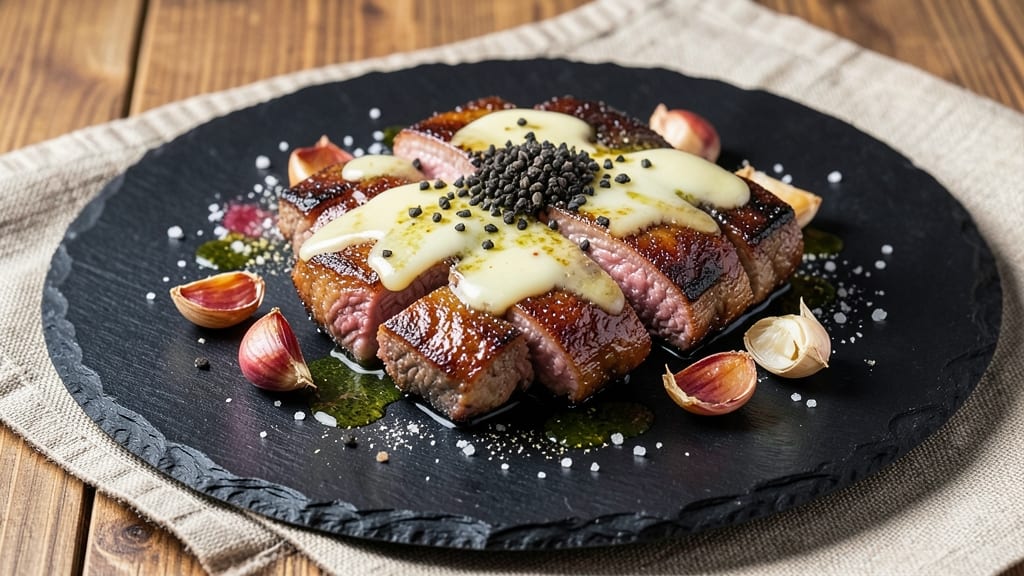
Angus beef strips deserve the perfect sear—crispy edges that lock in the juicy centers while delivering rich, beefy flavor in every bite. The secret lies in high-heat searing and proper seasoning, transforming tough cuts into melt-in-your-mouth perfection.
This recipe delivers restaurant-quality results with just 15 minutes of active time, making it ideal for weeknight dinners or weekend entertaining.
Start with thin-cut strips (about ¼-inch thick) for even cooking—thicker pieces risk overcooking before the center reaches temperature. A dry rub of coarse salt, black pepper, and garlic powder creates a flavorful crust, while a quick sear in a screaming-hot skillet builds that coveted caramelized exterior.
The key is working in batches to maintain consistent heat without crowding the pan.
What you’ll end up with is beef that’s tender yet firm, with a deep, savory crust and pink centers that stay juicy. The high heat seals in natural juices, ensuring every bite delivers that satisfying beefy satisfaction.
Serve with a bright salad, roasted vegetables, or mashed potatoes to balance the richness.
This method works for any cut of beef strips—ribeye, sirloin, or flank—but Angus delivers the best marbling for flavor and tenderness. The same technique applies to grilling or broiling, with just slight adjustments to time. Let’s get cooking!
Ingredients for angus beef strips
Thin-cut Angus beef strips paired with aromatic seasonings and high-heat searing for restaurant-quality results.
| Ingredient | Amount | Notes |
|---|---|---|
| Angus Beef Strips 🥩 | 1 ½ lb | Thin-cut, ¼-inch thick, ribeye or sirloin |
| Coarse Kosher Salt 🧂 | 1 ½ tsp | Diamond Crystal preferred for texture |
| Freshly Ground Black Pepper 🌶️ | 1 tsp | Cracked peppercorns for optimal grind |
| Garlic Powder 🧄 | 1 tsp | Freshly ground preferred for aroma |
| Extra-Virgin Olive Oil 🫒 | 2 tbsp | High smoke point for searing |
| Unsalted Butter 🧈 | 2 tbsp | European-style preferred for flavor |
| Fresh Rosemary 🌿 | ½ tsp | Finely chopped, sprigs removed |
| Fresh Thyme Leaves 🌿 | ½ tsp | Or ¼ tsp dried thyme |
| Lemon Wedges 🍋 | 2 whole | For finishing, fresh squeezed |
| Vegetable Oil 🫒 | ½ cup | For preheating skillet to 400°F |
| Balsamic Glaze 🍷 | 2 tbsp | Reduction for finishing (optional) |
The Angus beef strips are the foundation—look for USDA Prime cuts with visible marbling at Whole Foods or your local butcher shop. The ¼-inch thickness is critical for even cooking; thicker pieces risk overcooking before the center reaches temperature. Costco often carries pre-cut strips, but verify the cut and thickness. For best results, let the beef sit at room temperature for 20-30 minutes before cooking to ensure even searing. The garlic powder should be freshly ground if possible, as pre-ground loses potency quickly. European-style butter adds a richer flavor compared to standard American butter.
No fresh rosemary? Dried rosemary at half the amount works, though fresh imparts a brighter aroma. Substituting sirloin for ribeye is fine, but ribeye offers more marbling for flavor. Vegetable oil is ideal for preheating the skillet to 400°F—its high smoke point prevents burning. If you lack balsamic glaze, a reduction of 1 tbsp balsamic vinegar with 1 tsp honey achieves a similar finish. The lemon wedges should be freshly squeezed for acidity, though bottled lemon juice in a pinch works. For a lower-fat option, reduce the butter to 1 tbsp and increase olive oil to 3 tbsp.
Store any unused beef strips in an airtight container with parchment paper between layers for up to 2 days in the fridge. The seasoning blend (salt, pepper, garlic powder) keeps for 3 months in a sealed jar. Prepped herbs should be wrapped in damp paper towels and stored in a resealable bag for 5 days. The balsamic glaze can be made ahead and stored in the fridge for 1 month. For batch cooking, double the recipe and freeze strips in single-serving portions—sear directly from frozen in the skillet for 2-3 minutes per side before finishing with butter.
Why You'll Love This Recipe
- I swear by this trick: just salt, pepper, and a hot pan. That’s it. No marinades, no fancy rubs—just the beef’s natural richness searing up in minutes with a sprinkle of garlic powder at the end. Honestly, it’s the kind of recipe where you’ll question why you ever complicated things.
- Two-Ingredient Magic: I swear by this trick: just salt, pepper, and a hot pan. That’s it. No marinades, no fancy rubs—just the beef’s natural richness searing up in minutes with a sprinkle of garlic powder at the end. Honestly, it’s the kind of recipe where you’ll question why you ever complicated things.
- Crispy-Creamy Perfection: The secret’s in the olive oil—high heat until the edges are golden, then a quick flip. That contrast? Buttery inside, slightly charred outside, with garlic powder clinging like a cozy blanket. My kids still ask for seconds, and I haven’t even told them it’s Angus.
- Weeknight to Dinner Party: Same prep, endless uses. Toss these strips over pasta for a 15-minute dinner, pile them on toast with a fried egg for breakfast, or serve them alongside roasted potatoes for a crowd. Between us, I’ve pulled this off for both lazy Tuesdays and “impress the in-laws” nights—no stress.
Step-by-step instructions for pan-seared Angus beef strips
A perfect sear delivers a restaurant-quality crust while keeping the interior tender and juicy. Precision timing and technique are everything here.
Season and Prep the Beef Strips
Pat the 1.5 lb Angus Beef Strips completely dry with paper towels—this ensures maximum contact with the hot pan for that golden crust. Lay them flat on a cutting board and season both sides generously with the 1.5 tsp Coarse Kosher Salt, 1 tsp Freshly Ground Black Pepper, and 1 tsp Garlic Powder. Press the seasoning into the meat so it adheres evenly.
Let the seasoned strips rest at room temperature for 15-20 minutes. This step is crucial—it allows the meat to cook more evenly and prevents cold spots that can ruin your sear. While they rest, finely chop the 0.5 tsp Fresh Rosemary and 0.5 tsp Fresh Thyme Leaves and set them aside for later.
Preheat the Skillet and Sear the Beef
Place a heavy-bottomed skillet over medium-high heat and add the 0.5 cup Vegetable Oil. Use an instant-read thermometer to confirm the oil reaches 400°F—this is your target temperature for an optimal sear. If you don't have a thermometer, wait until the oil shimmers slightly but doesn't smoke excessively.
Working in batches to avoid overcrowding, carefully add the beef strips to the skillet. Press down gently on each strip with a pair of tongs for 10-15 seconds to ensure full contact with the hot oil. This prevents curling and guarantees an even crust. Sear for 2-3 minutes per side, or until the strips develop a deep golden-brown crust and reach an internal temperature of 125°F for medium-rare.
Finish with Butter and Herbs
Remove the seared beef strips from the skillet and set them aside on a wire rack or warm plate. Reduce the heat to medium and add the 2 tbsp Extra-Virgin Olive Oil and 2 tbsp Unsalted Butter to the skillet. Let the butter foam and melt completely, then add the chopped rosemary and thyme leaves, stirring for 30 seconds until fragrant.
Return the beef strips to the skillet, spooning the herb-infused butter over them. Let them cook for an additional 1-2 minutes to absorb the flavors. This step adds depth and moisture, ensuring the strips remain juicy despite the high-heat sear.
Rest and Finish with Lemon and Balsamic
Transfer the beef strips to a cutting board and let them rest for 5-7 minutes before serving. This resting period is non-negotiable—it allows the juices to redistribute throughout the meat, preventing them from pooling on the surface. While they rest, squeeze the 2 whole Lemon Wedges over the strips to brighten the flavors and add a touch of acidity.
Drizzle the strips with the 2 tbsp Balsamic Glaze just before serving. The glaze adds a subtle sweetness that balances the richness of the beef and enhances the overall depth of flavor. Serve immediately with your choice of sides, ensuring each bite delivers that perfect contrast of crispy crust and tender, juicy interior.
Pro Tips For Making Angus Beef Strips
- CRANK THE HEAT HIGH: Angus beef strips need a screaming-hot pan—think 450°F or the hottest your stovetop can safely handle. I used to wimp out at medium-high, and the strips turned out greasy instead of caramelized. A cast-iron skillet is your best friend here; it retains heat like a champ and gives you that perfect crust in under 2 minutes per side.
- DRY THE MEAT WELL: Pat those strips thoroughly with paper towels before seasoning—wet surfaces steam instead of sear. I’ve ruined a batch by skipping this, and the result was sad, uneven cooking. Take the extra 30 seconds; your crust will thank you.
- SALT IN TWO STAGES: Start with a light sprinkle of kosher salt right after patting the meat dry, then hit it again right before hitting the pan. The first layer helps draw out moisture, and the second locks in flavor. I learned this from a butcher who swore by it—works every time.
- REST THE STRIPS: Don’t cut into them the second they come off the pan. Tent loosely with foil and let them sit for 5 minutes—this keeps them juicy. I’ve seen people skip this and end up with dry, stringy strips. Two minutes is not enough.
Best sauces and condiments for this angus beef strips
Classic Red Wine Reduction
Start with a simple red wine reduction made from ½ cup dry red wine (like Cabernet Sauvignon or Merlot) simmered with 1 tbsp balsamic vinegar and 1 tsp brown sugar until reduced by half.
Deglaze the pan after searing with this mixture—it adds depth and richness that complements the beef’s natural flavors. I like to add a pinch of crushed rosemary while reducing for an aromatic touch. 🍷
Creamy Garlic-Herb Sauce
For a velvety finish, combine ¼ cup heavy cream, 1 tbsp Dijon mustard, 1 minced garlic clove, and a splash of beef broth. Simmer until slightly thickened, then whisk in 1 tbsp chopped parsley.
Drizzle over the beef strips just before serving—this sauce balances the crust’s intensity with a smooth, herby contrast. Use a fine-mesh strainer to remove any garlic bits for a silky texture.
Spicy Chimichurri
Brighten the dish with a tangy chimichurri made from ¼ cup parsley, 2 tbsp olive oil, 1 tbsp red wine vinegar, 1 tsp red pepper flakes, and ½ tsp garlic powder. Pulse in a food processor until chunky, then drizzle over the beef.
The acidity cuts through the richness while the peppers add a subtle kick. I often serve this with grilled asparagus for a complete flavor profile. 🌶️
Sweet and Tangy Balsamic Glaze
The recipe already includes balsamic glaze, but you can elevate it by reducing ¼ cup balsamic vinegar with 1 tsp honey and a pinch of sea salt until syrupy. Drizzle over the beef strips just before serving for a glossy, sweet-tangy finish.
For extra flair, add a few drops of vanilla extract to the reduction. This glaze works especially well with roasted sweet potatoes as a side.
Smoky Chipotle Aioli
Blend ¼ cup mayonnaise, 1 tsp adobo sauce (from canned chipotles), ½ tsp lime juice, and a pinch of smoked paprika for a smoky-sweet dip or drizzle. This aioli adds a bold contrast to the beef’s crust, balancing its richness with heat and creaminess.
Serve it on the side for dipping or drizzle lightly over the strips. For a lighter version, use Greek yogurt instead of mayo.
Fresh Herb Butter
Mix 2 tbsp softened butter with 1 tbsp chopped chives, 1 tsp chopped dill, and a pinch of lemon zest for a bright, herby finish. Spread dollops over the beef strips or serve on the side for a fresh, cooling element.
This butter pairs beautifully with crusty bread or grilled vegetables. For extra richness, add a pinch of white pepper to the mix. 🌿
Nutrition facts
Frequently asked questions
What's the best cut of beef for strips?
For this recipe, ribeye or sirloin are ideal—they're flavorful with good marbling. Avoid tougher cuts like flank steak unless you're marinating first. The ¼-inch thickness is key for even cooking without overcooking the center.
Can I cook these strips on the grill instead?
Preheat your grill to medium-high (400°F) and oil the grates well. Cook for 3-4 minutes per side for medium-rare, then finish with the butter-herb sauce indoors. The high heat works the same way as a skillet for that perfect crust.
How do I prevent the strips from sticking?
Pat the beef completely dry before seasoning, and use a heavy skillet that's properly preheated. Never move the strips until they release naturally—this takes about 10-15 seconds after placing them in the pan. A thin layer of oil on the meat helps too.
What's the best way to reheat leftover strips?
Reheat in a screaming-hot skillet for 30-45 seconds per side—this restores the crust. Avoid the microwave as it turns the beef rubbery. For sandwiches, warm gently in a pan with a little butter to maintain moisture. Leftovers keep well for 3-4 days in an airtight container.