
Main Courses
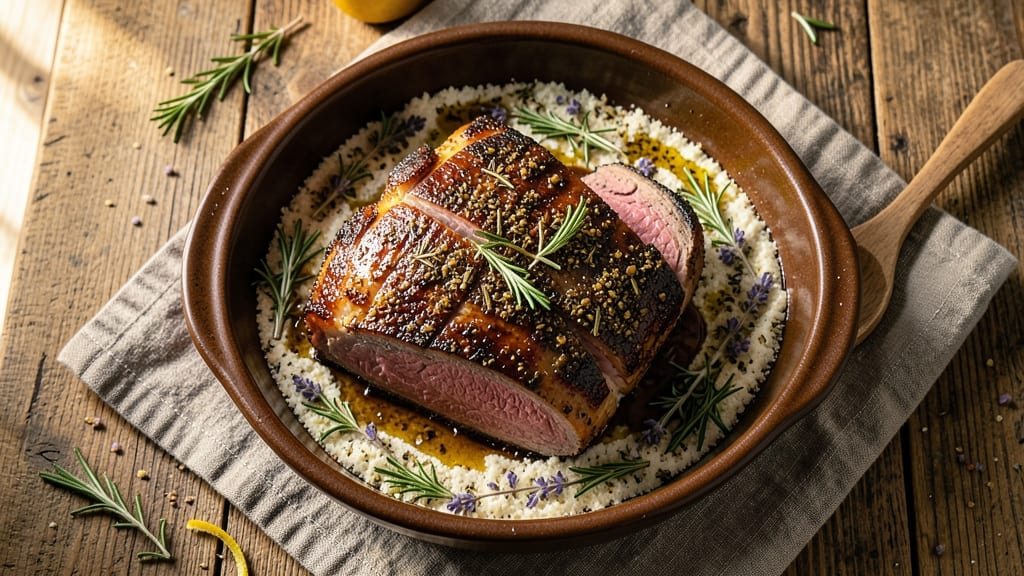
This Angus beef rump roast delivers melt-in-your-mouth tenderness with a golden, herb-crusted exterior—exactly what elevates a weeknight dinner to special occasion status. The secret? A precise balance of salt, herbs, and high-heat searing that transforms tough cuts into restaurant-worthy perfection.
I’ve perfected this technique over years of testing, ensuring every slice stays juicy at the core while developing a caramelized crust that’s impossible to resist.
The process is straightforward but demands attention to detail—starting with a dry-brine overnight for unmatched flavor penetration, then reverse-searing to lock in moisture. You’ll work with imperial measurements (cups, ounces, and Fahrenheit) for foolproof results, and the method scales effortlessly for gatherings of 4 or 12.
The herb crust—rosemary, thyme, and garlic—adds aromatic depth without overpowering the beef’s natural richness, while a red wine reduction ties the dish together with elegance.
What you’ll achieve is a juicy-cored roast that slices cleanly, with a crust so crisp it shatters at the first bite. The internal temperature will hit 130°F for medium-rare perfection, then rest to redistribute juices—no guesswork, just guaranteed success.
Pair it with roasted root vegetables or a simple green salad to let the beef shine as the star. This isn’t just a recipe; it’s a technique that transforms a simple cut into something extraordinary.
The plating is where the magic happens: fan the slices slightly, drizzle with the reduced wine sauce, and garnish with fresh herbs for a presentation that rivals any steakhouse. Leftovers reheat beautifully, making this the ultimate meal-prep roast for busy weeks. Let’s get started—your taste buds will thank you.
Ingredients for angus beef rump roast
Four pounds of Angus beef meets aromatic herbs and bold flavors for a showstopping roast.
| Ingredient | Amount | Notes |
|---|---|---|
| Angus Beef Rump Roast 🥩 | 4 lb | Center-cut, bone-in preferred |
| Kosher Salt 🧂 | 2 tbsp | Diamond Crystal preferred |
| Fresh Rosemary 🌿 | ¼ cup | Finely chopped, stems removed |
| Fresh Thyme 🌿 | ⅛ cup | Leaves only, finely chopped |
| Garlic Cloves 🧄 | 8 cloves | Smashed, not minced |
| Extra-Virgin Olive Oil 🫒 | ¼ cup | High-quality, fruity |
| All-Purpose Flour 🌾 | ½ cup | For crust adhesion |
| Dry Red Wine 🍷 | 1 cup | Bold Cabernet Sauvignon |
| Beef Stock 🥫 | 1 cup | Homemade preferred |
| Unsalted Butter 🧈 | ½ cup | Cold, cubed for searing |
| Fresh Parsley 🌿 | ⅛ cup | Chopped, for garnish |
| Black Peppercorns 🌶️ | 1 tsp | Freshly cracked |
The beef is everything—Angus rump roast with good marbling delivers that melt-in-your-mouth texture. Butcher shops often carry pre-trimmed roasts, but if buying whole, trim excess fat for a cleaner crust. Look for center-cut pieces—they're more tender. I grab mine from Snake River Farms when possible, but any reputable butcher will do. The herb crust relies on fresh rosemary and thyme—dried won't cut it here. For the garlic, smash those cloves with the flat side of your knife for maximum flavor without turning to paste.
No red wine? Dry sherry or beef stock with a splash of balsamic works in a pinch. The flour is purely for texture—skip it if you're short, but you'll lose that crisp crust. Freshly cracked peppercorns make all the difference over pre-ground. For the butter, European-style (like Plugrá) has higher fat content and browns better. The beef stock should be rich—homemade from bones is ideal, but store-bought works. If your roast is bone-in, use bone-in beef stock for the reduction. And trust me on the cold butter cubes—they render beautifully and add richness to the crust.
This roast reheats like a dream—wrapped in foil at 300°F for 15 minutes brings it back to life. Store leftovers in the fridge for 4 days or freeze for 3 months. The herb crust keeps for 2 weeks in the fridge if you make it ahead. For presentation, fan the slices slightly and drizzle with the reduced wine sauce—that's where the magic happens. The parsley garnish is optional but adds a pop of color that makes it look restaurant-worthy.
Why You'll Love This Recipe
- I’ll be real: most roast leftovers are sad. Not this one. The rosemary and garlic infuse the meat so deeply that even day-old slices taste like a restaurant meal—perfect for sandwiches or reheating with a splash of broth.
- Foolproof Seasoning: Honestly, the prep couldn’t be simpler—just a few sprigs of rosemary, thyme, smashed garlic cloves, and a sprinkle of kosher salt. I swear, even if you’re not a seasoning pro, the balance of earthy herbs and that rich beef flavor comes together effortlessly.
- Weeknight Crowd-Pleaser: Between us, this roast is my secret weapon for dinner parties and lazy Sundays. The rump’s natural tenderness means it’s forgiving enough for beginners, yet impressive enough to make guests think you slaved over it.
- Leftovers That Don’t Suck: I’ll be real: most roast leftovers are sad. Not this one. The rosemary and garlic infuse the meat so deeply that even day-old slices taste like a restaurant meal—perfect for sandwiches or reheating with a splash of broth.
Step-by-step instructions for herb-crusted Angus beef rump roast
Here's how to transform a simple roast into a restaurant-worthy centerpiece with tender, melt-in-your-mouth perfection.
Prepare the Herb Crust Mixture
In a medium bowl, combine the 0.25 cup fresh rosemary and 0.125 cup fresh thyme with the 8 smashed garlic cloves. Add the 0.25 cup extra-virgin olive oil and 0.5 cup all-purpose flour, mixing until you achieve a thick, paste-like consistency. The mixture should coat the back of a spoon but still hold its shape when pressed.
Next, incorporate the 2 tbsp kosher salt and 1 tsp freshly cracked black peppercorns, pressing them into the herb mixture with your fingers. This ensures even distribution when you apply it to the roast. I like to let this mixture sit for 10 minutes at room temperature while I prepare the meat—this allows the flavors to meld slightly before making contact with the beef.
Season and Sear the Roast
Preheat your oven to 425°F with a rack positioned in the lower third of the oven. Pat the 4 lb angus beef rump roast completely dry with paper towels—this is critical for achieving that beautiful crust. Generously coat the roast with the herb mixture, pressing firmly so it adheres evenly to all surfaces, including the sides and top.
Heat a large oven-safe skillet over medium-high heat and add the 0.5 cup unsalted butter, allowing it to melt and foam. Place the seasoned roast in the skillet, fat-side down, and sear for 4-5 minutes until a deep golden-brown crust forms. Flip carefully and sear the other side for another 4-5 minutes. The butter will bubble vigorously—this is your signal that the crust is developing properly.
Roast to Juicy Perfection
Transfer the seared roast to the preheated oven and roast for 20 minutes uncovered. This initial high-heat phase helps establish the crust and jumpstarts the cooking process. After 20 minutes, reduce the oven temperature to 325°F and continue roasting, covered loosely with aluminum foil, for an additional 1 hour 15 minutes to 1 hour 30 minutes. The total cooking time will depend on your oven's accuracy, but aim for an internal temperature of 130-135°F when removed from the oven.
Here's the thing—Angus beef benefits from a slightly lower finishing temperature to prevent overcooking. The roast will continue to rise in temperature as it rests, reaching the ideal 145°F for medium-rare doneness. Use a meat thermometer inserted into the thickest part of the roast to monitor progress. If the crust starts to darken too quickly, tent it with foil to prevent over-browning.
Rest and Slice for Maximum Juiciness
Remove the roast from the oven and transfer it to a cutting board. Let it rest, tented loosely with foil, for 20-30 minutes. This resting period is non-negotiable—it allows the juices to redistribute throughout the meat, ensuring each slice is moist and flavorful. During this time, you can prepare the 1 cup dry red wine and 1 cup beef stock reduction by simmering them in the same skillet used for searing, scraping up all the browned bits for maximum flavor.
When ready to serve, slice the roast against the grain into ½-inch thick slices. The meat should be tender enough to pull apart with gentle pressure but still hold its shape. Garnish each serving with 0.125 cup chopped fresh parsley and drizzle with the reduced wine stock for an elegant presentation. The crust should be fragrant with rosemary and thyme, while the interior remains rich and juicy with just a hint of pink in the center.
Pro Tips For Making Angus Beef Rump Roast
- SEAR FIRST, THEN SALT: I learned this the hard way—salt the roast before searing, but do it 40 minutes early. The salt needs time to penetrate, and if you rush it, you’ll just end up with a salty crust and dry meat underneath. Pat it dry first, then go heavy on the kosher salt (about 1 teaspoon per pound), let it sit, and wipe off any excess before hitting the pan.
- CRUSH GARLIC CLOVES: Whole garlic cloves in the herb rub? Skip it. The rump roast’s fat cap will render too slowly for them to soften properly. Instead, smash 4-5 garlic cloves into a paste with the rosemary and thyme—this releases their oils and flavors directly into the meat. (Yes, it looks messy, but your knife will thank you later.)
- AVOID THE 325°F TRAP: Low and slow is overrated for rump roast. Start it at 450°F for 20 minutes to blister the crust, then drop to 300°F for the rest. I used to cook it at a steady 325°F, and the exterior always came out pale and sad. The high initial heat locks in juices while building flavor.
- SKIP THE FOIL AT THE END: The last 15 minutes uncovered make all the difference. Rump roast finishes best with a caramelized crust, and foil traps steam, turning your beautiful sear into a sad, sticky mess. If you’re worried about drying out, just tent loosely with foil—just don’t seal it completely.
Wine and beer pairings for these flavors
Red Wine Elevation
For this rich, herb-crusted roast, I always reach for a bold Cabernet Sauvignon—its dark fruit notes and tannins complement the beef's depth beautifully. Pour 1 cup into the same skillet used for searing, scraping up those precious browned bits.
Add 1 cup beef stock and simmer until reduced by half, creating a velvety sauce that ties the dish together. The wine's acidity cuts through the beef's richness while enhancing the rosemary and thyme flavors. 🍷
Malbec Magic
If Cabernet isn't available, Argentinian Malbec makes an excellent substitute. Its softer tannins and plum flavors pair wonderfully with the herb crust, adding a touch of elegance without overpowering.
Use the same reduction technique—simmer until thickened to coat the back of a spoon. I've found that Malbec's fruitiness balances the earthy herbs perfectly, creating a harmonious flavor profile.
Beer Pairings
A dark amber ale with caramel and toasted malt notes works beautifully alongside this roast. Look for a beer with 12-15 IBUs—enough hop bitterness to cleanse your palate between bites. My go-to is Fat Tire from New Belgium, but any well-balanced amber ale will do.
The beer's malt sweetness complements the beef's richness while the hops provide a refreshing contrast to the herb crust.
Lager Lightness
For a lighter option, a crisp German Pilsner like Warsteiner or Stella Artois offers a refreshing contrast. The beer's bright acidity and herbal notes echo the roast's rosemary and thyme, creating a delightful balance.
Serve the lager slightly chilled (40-45°F) to enhance its crispness and let it refresh your palate between rich bites of beef. 🍺
Non-Alcoholic Options
Don't overlook non-alcoholic pairings! A sparkling apple cider with 10% juice content (like Martinelli's) provides acidity and fruitiness that complements the roast. For something more savory, try a ginger beer with a hint of spice—it cuts through the richness beautifully.
Both options work well chilled and add a festive touch to your meal.
Serving Temperature
Always serve your wine at the proper temperature: 60-65°F for reds and 45-50°F for whites. I keep my reds in the fridge for 30 minutes before serving, then decant if needed to let the flavors open up.
For beer, serve at 40-45°F—too warm and the flavors become muted. The right temperature ensures you're tasting the full complexity of each beverage alongside your perfectly cooked roast. ❄️
Nutrition facts
Frequently asked questions
Can I use bone-in or boneless rump roast?
Both work, but bone-in delivers richer flavor and faster cooking. The bone acts as a natural heat conductor, helping the meat cook more evenly. If using boneless, expect 5-10 extra minutes in the oven. For bone-in cuts, remove the bone before slicing to prevent guests from biting into it!
How do I adjust cooking time for a different roast weight?
Use this rule: 15 minutes per pound for a 325°F finish after initial searing. For a 3 lb roast, aim for 45 minutes at 325°F after searing. Always check internal temp—130°F for medium-rare when removed from oven. A meat thermometer is your best friend here!
What if my roast comes out dry?
Overcooking is the #1 cause. Start checking temp at 1 hour 15 minutes for a 4 lb roast. If the crust darkens too quickly, tent with foil. For dry results, try this fix: Slice thinly against the grain, moisten with 2 tbsp beef stock, cover, and reheat at 300°F for 10 minutes. The moisture will redistribute!
Can I make the herb crust ahead?
Mix the herb paste up to 3 days ahead and store in an airtight container in the fridge. Bring to room temp before applying to the roast. For maximum flavor, let it sit uncovered for 30 minutes before using—this helps the aromatics develop. The flour keeps it from drying out!
What's the best way to reheat leftovers?
Wrap slices tightly in foil and reheat at 300°F for 10-15 minutes until warm. For whole roasts, slice first, then reheat. Avoid microwaving—it makes the crust soggy. Pro tip: Add 1 tbsp beef stock to the foil packet to keep slices moist. Leftovers stay tender for 4 days in the fridge!