
Main Courses
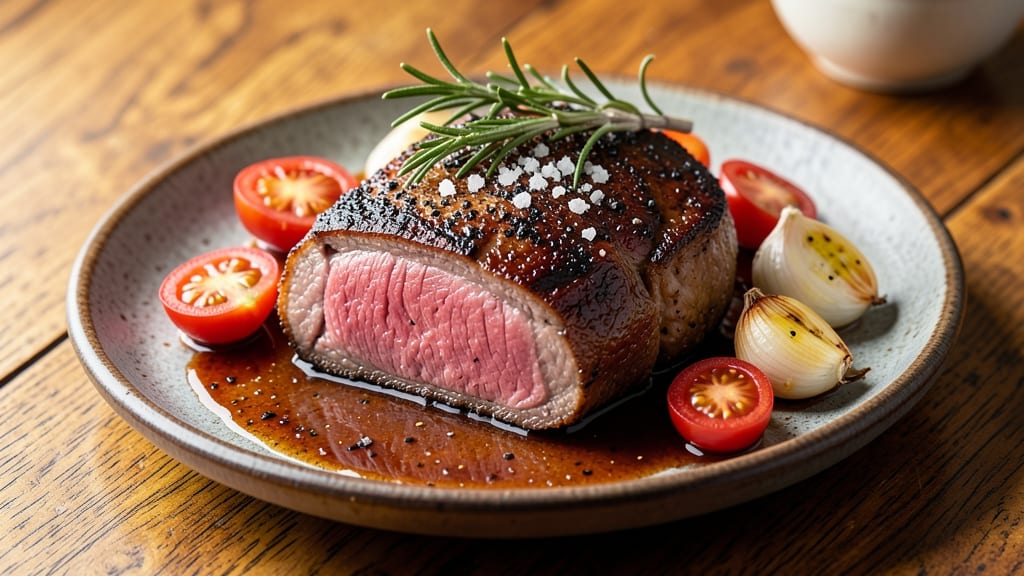
This Angus beef ribeye roast recipe delivers melt-in-your-mouth tenderness with a crispy caramelized crust—the reverse-sear secret that transforms even the most intimidating cuts into restaurant-quality perfection.
After years of perfecting this technique, I’ve found the key lies in patience: a slow oven rise to even temperature, followed by a screaming-hot sear that locks in juices while building that coveted crust. The result?
A roast so tender it practically falls apart, yet holds its shape beautifully when sliced.
The beauty of this method is its foolproof simplicity—no fancy equipment required beyond a meat thermometer and your oven. Start with a dry rub of coarse salt, black pepper, and a touch of garlic powder (or your favorite herb blend) to enhance the beef’s natural richness.
The reverse sear ensures juicy cores while creating that caramelized crust that’s impossible to resist. Even if you’ve burned roasts in the past, this technique forgives mistakes and delivers consistent, showstopping results every time.
What sets this recipe apart is how it balances tradition with modern precision. The low-and-slow oven phase develops deep, even doneness, while the final sear adds drama and texture—no need for butter basting or complicated sauces.
Serve with classic sides like garlic mashed potatoes or a bold red wine reduction to complement the beef’s richness. The plating is just as important: slice against the grain for maximum tenderness, then arrange on a warm platter with a sprinkle of flaky salt for that final touch.
Whether you’re hosting a holiday feast or treating yourself to a special weeknight dinner, this roast delivers restaurant-quality results with minimal effort. The reverse-sear method ensures you’ll never overcook a roast again, and the caramelized crust adds a level of sophistication that elevates any meal.
Ready to master the perfect roast? Let’s get started.
Ingredients for angus beef ribeye roast
Six ingredients plus patience transform a simple roast into restaurant-quality perfection.
| Ingredient | Amount | Notes |
|---|---|---|
| Angus Beef Ribeye Roast 🥩 | 4 lb | Bone-in, center-cut preferred |
| Kosher Salt 🧂 | 2 tbsp | Coarse grain for dry rub |
| Freshly Ground Black Pepper 🌶️ | 1 ½ tbsp | Cracked peppercorns preferred |
| Garlic Powder 🧄 | 1 tbsp | Freshly ground for depth |
| Extra-Virgin Olive Oil 🫒 | 1 tbsp | For final sear |
| Flaky Sea Salt 🧂 | 1 tbsp | For final garnish |
| Fresh Rosemary 🌿 | 2 sprigs | Optional herb garnish |
| Fresh Thyme 🌿 | 2 sprigs | Optional herb garnish |
| Butter 🧈 | ½ cup | Unsalted, softened for plating |
| Red Wine 🍷 | 1 cup | Bold dry variety for reduction |
| Beef Tallow 🧈 | 1 tbsp | For extra-high heat sear |
| Meat Thermometer 🌡️ | 1 whole | Instant-read preferred |
Angus beef is non-negotiable here. Look for USDA Prime or Choice grade with good marbling—Costco or Whole Foods carry excellent cuts. The ribeye's fat cap helps create the crust, so don't trim it. For a 4-pound roast, plan about 1.5 hours total time (30 minutes low-and-slow, 15 minutes screaming-hot sear). The meat thermometer is your best friend—never guess with roasts. I always buy mine from Snake River Farms when available, but any reputable butcher will have quality Angus.
No beef tallow? Avocado oil or ghee works in a pinch for the sear—just heat it to 450°F. Short on red wine? Beef broth with a splash of balsamic mimics the depth. Fresh herbs? Dried thyme at one-third the amount suffices. The kosher salt should be Diamond Crystal if you're particular—it's coarser and clings better than table salt. For the dry rub, mix everything in a bowl and massage it into the beef an hour before cooking. This lets the seasoning penetrate beautifully while preventing a salt crust.
Roast reheats best at 275°F for 10 minutes—just enough to warm through without drying out. The caramelized crust is delicate, so slice carefully against the grain. Store leftovers wrapped tightly in butcher paper (not plastic) for up to 5 days. For the red wine reduction, simmer the leftover wine with 1 tbsp butter until syrupy—perfect for drizzling over slices. The roast freezes beautifully for 3 months if wrapped airtight with a pat of butter between slices.
Why You'll Love This Recipe
- Five-Ingredient Magic: I swear, that’s all you need—just the roast, salt, pepper, garlic powder, and olive oil. No fancy marinades or hours of prep; just a simple rub and a sear. Honestly, the less you mess with it, the better it turns out.
- Crispy-Creamy Perfection: The outside gets that golden, crackling crust while the inside stays tender—like butter melting in your mouth. That’s the beauty of a ribeye roast: it forgives you if you’re not a pro, but rewards you like you are.
- Sunday Dinner Ready: Between us, this is my go-to for gatherings. Slice it thick, serve it with roasted potatoes or a fresh salad, and suddenly you’re the host who nailed dinner. (Yes, even on a Tuesday night.)
- Leftovers That Don’t Suck: Cold slices the next day? Still delicious. Toss them in sandwiches, wrap them in tortillas, or just eat them straight from the fridge. No sad, dry meat here—just rich, juicy flavor that keeps giving.
Step-by-step instructions for perfectly reverse-seared ribeye roast
Here's the method that guarantees juicy cores and caramelized crusts every time.
Prep and Season the Roast for Even Cooking
Remove the ribeye roast from the refrigerator and let it sit at room temperature for 30-45 minutes. This allows the meat to cook more evenly and prevents chilling the oven when you put it in. While it comes to temperature, prepare your dry rub by combining 2 tbsp kosher salt, 1.5 tbsp freshly ground black pepper, and 1 tbsp garlic powder in a small bowl.
Pat the roast dry with paper towels—this is crucial for developing that perfect crust. Then, generously coat all sides with the dry rub, pressing it into the meat so it adheres well. Don't forget to season the cut edges too. The rub should look like it's sticking to the surface rather than just sitting on top. Place the roast on a wire rack set inside a rimmed baking sheet for optimal airflow.
Low-Temperature Roast to Perfect Doneness
Preheat your oven to 275°F. Place the seasoned roast in the oven and cook for 2-2.5 hours, or until the internal temperature reaches 115-120°F when measured with your meat thermometer. The key here is patience—the low temperature ensures the meat cooks evenly without drying out.
During this time, you'll notice the roast developing a light pink color and becoming tender to the touch. This is the perfect stage for the reverse-sear method. The meat should still feel slightly firm when pressed with your fingers, not completely soft. If you're using the 2 sprigs fresh rosemary and 2 sprigs fresh thyme, tuck them under the roast for added aroma during this phase.
High-Heat Sear for Caramelized Crust
While the roast is still in the oven, preheat a large cast-iron skillet over very high heat. Add 1 tbsp beef tallow and let it get smoking hot. Remove the roast from the oven and carefully transfer it to the skillet. Sear for 2 minutes per side, pressing down gently with a meat mallet or spatula to ensure even contact with the pan.
This high-heat sear creates that coveted caramelized crust while keeping the interior juicy. You'll know it's ready when the surface is deep golden brown and the beef tallow is sizzling vigorously. The roast should release easily from the skillet when you lift it—if it sticks, let it sear a little longer. Remove the roast from the skillet and let it rest for 10-15 minutes before slicing.
Create a Rich Red Wine Reduction
In the same skillet, reduce the heat to medium and add 1 cup red wine. Let it simmer for 3-4 minutes until reduced by half, scraping up any browned bits from the bottom of the pan with a wooden spoon. This creates a flavorful base for your sauce.
Remove the skillet from heat and whisk in 0.5 cup softened butter until melted and incorporated. The sauce should be glossy and slightly thickened. If it's too thick, whisk in a splash of the roast's juices from the baking sheet. This reduction will elevate your roast from good to exceptional, adding depth and richness to every bite.
Rest, Slice, and Serve with Garnishes
Slice the roast against the grain into ½-inch thick slices. To serve, spoon the red wine reduction over the top and garnish with 1 tbsp flaky sea salt. The contrast of the salty garnish with the rich, caramelized crust and tender meat creates a perfect balance of flavors. The roast should be juicy throughout with a beautiful pink center, not gray or overcooked.
Serve immediately with the red wine reduction drizzled generously over each slice. The combination of the tender, juicy meat with the rich, slightly tangy sauce is what makes this reverse-sear method so special. Each bite should deliver that perfect harmony of textures and flavors that you'd expect from a high-end steakhouse.
Pro Tips For Making Angus Beef Ribeye Roast
- USE A MEAT THERMOMETER: I learned this the hard way—ribeye roasts don’t behave like chicken. Aim for 120-125°F (49-52°C) for medium-rare (yes, it’ll jump 5-10°F while resting). The built-in oven thermometer? Skip it. Mine was off by 30°F until I invested in a cheap instant-read.
- DRY THE ROAST FIRST: Pat that roast thoroughly with paper towels before searing—even if it feels excessive. I used to rush this, and the crust would turn greasy instead of golden. Moisture is the enemy of crust. Let it air-dry for 10 minutes uncovered on a rack if you’re really impatient.
- SALT IN LAYERS, NOT JUST ON TOP: Crust is everything, but don’t just sprinkle salt on the surface. Work 1 tsp kosher salt per pound into the flesh (about 1/2-inch deep) 40 minutes before cooking. The seasoning penetrates better, and the outer crust gets that perfect balance of flavor and texture.
- LET IT REST—NO EXCUSES: I know, I know—you’re starving, and the meat looks perfect. But 15 minutes under foil (not on the cutting board) is non-negotiable. Ribeye is forgiving, but skipping this step makes it dry out faster than a bad joke at a BBQ. Tent loosely with foil and let it breathe.
Serving suggestions for leftovers
Classic Side Pairings
Garlic mashed potatoes take center stage with this roast—I use Yukon Gold potatoes boiled until tender, then mashed with ½ cup butter, ½ cup whole milk, and 3 minced garlic cloves.
For extra richness, fold in 2 tbsp sour cream and season generously with salt and white pepper. The creamy texture contrasts beautifully with the caramelized crust. 🥔
Roasted root vegetables add earthy sweetness and vibrant colors. Toss carrots, parsnips, and sweet potatoes in 2 tbsp olive oil, 1 tbsp brown sugar, and ½ tsp smoked paprika, then roast at 400°F for 35 minutes. The caramelized edges complement the roast's crust perfectly.
Bold Sauce Complements
The red wine reduction in the recipe already delivers depth, but a red wine jus made from the roast's drippings takes it further. Deglaze the pan with 1 cup red wine and 1 cup beef broth, then reduce until syrupy.
Finish with 1 tbsp cold butter for a silky texture. This sauce elevates every bite with its concentrated beefy flavor.
For a lighter option, try a herb butter made with ½ cup softened butter, 1 tbsp chopped parsley, 1 tsp chopped thyme, and ½ tsp lemon zest. Serve it melted over the sliced roast for a bright, fresh contrast to the rich beef.
Plating Presentation
Slice the roast against the grain into ½-inch thick pieces for maximum tenderness. Arrange slices fanned out on a warm platter, then drizzle generously with the red wine reduction.
The sauce should glisten enticingly, drawing the eye to the caramelized crust. Garnish with flaky sea salt and fresh rosemary sprigs for a restaurant-worthy finish.
For a dramatic presentation, serve the roast on a slate board or wooden cutting board. Add a small bowl of extra red wine reduction on the side and a handful of toasted walnuts for crunch. The rustic presentation enhances the beef's natural richness while keeping the meal elegant and inviting.
Nutrition facts
Frequently asked questions
What's the best way to trim a ribeye roast before seasoning?
Leave the fat cap intact—it's essential for creating that caramelized crust during the sear. Simply trim any large silver skin or excess connective tissue from the surface. The natural fat distribution in ribeye (especially Angus) is perfect for moisture and flavor development. Never remove more than ¼-inch from the edges.
Can I use this reverse-sear method for other beef cuts?
This technique works beautifully with New York strip roasts or tomahawk steaks. For larger cuts like prime rib, extend the low-temperature phase by 30-60 minutes and adjust the sear time accordingly. The key is reaching 115-120°F internally before the final high-heat sear.
Why does my roast turn out dry even with the reverse sear?
Overcooking is the most common mistake—never exceed 130°F internal temperature before resting. Use a meat thermometer and remove the roast 5°F below your target doneness (it'll rise while resting). Also ensure your oven thermostat is accurate—most run 25°F hotter than set.
How far ahead can I prep the roast before cooking?
Season the roast up to 24 hours ahead and refrigerate uncovered on a wire rack. This enhances flavor penetration. Bring it to room temperature for 30-45 minutes before cooking. For the red wine reduction, you can prep the wine and butter mixture separately and assemble just before serving.
What's the difference between ribeye and ribeye roast?
A ribeye roast is a larger, bone-in cut from the rib primal (typically 4-6 pounds), while individual ribeye steaks are cut from this roast. The roast version has more connective tissue that breaks down during slow cooking, creating even more tenderness. For this recipe, we use the whole roast for maximum flavor development.