
Main Courses
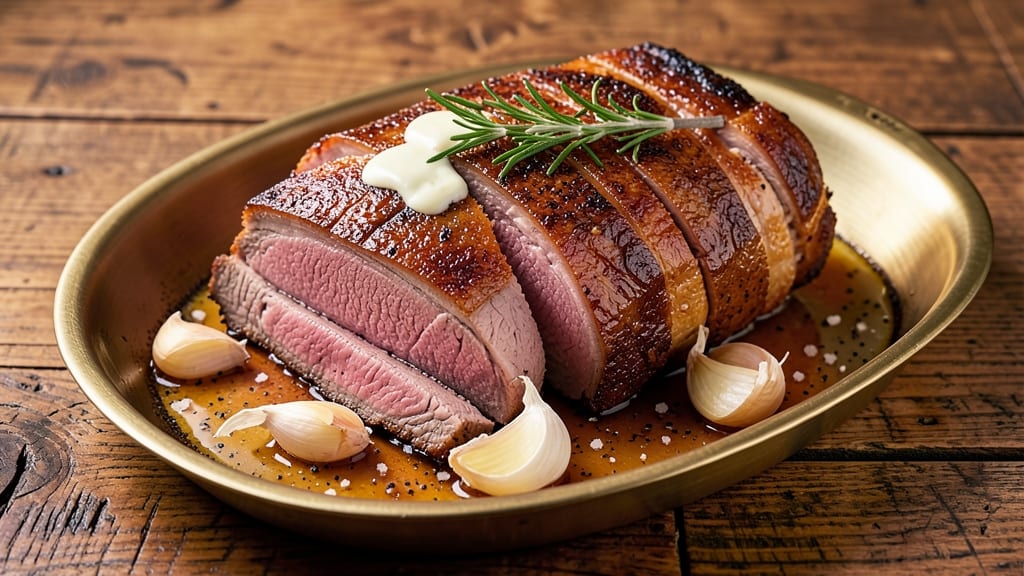
This Angus beef prime rib roast transforms any holiday meal into a showstopping centerpiece—where a buttery crust meets melt-in-your-mouth tenderness. The secret lies in precise seasoning, high-heat searing, and a slow roast that coaxes out every ounce of marbled fat for unmatched juiciness.
I’ve perfected this technique over years of hosting Thanksgiving and Christmas dinners, ensuring the meat rests perfectly to deliver that legendary fall-apart texture.
The beauty of prime rib is its forgiving nature—even if you’re not a seasoned chef, following a few key steps guarantees restaurant-quality results.
We’ll start with a dry brine to enhance flavor penetration, then create that signature crust by searing the roast in a screaming-hot pan before transferring it to the oven. The low-and-slow finish ensures the center stays juicy while the exterior develops a rich, golden bark.
What you’ll end up with is a tender, perfectly cooked roast that slices effortlessly, releasing juices that transform your table into a symphony of savory aromas. The crust will be crisp enough to shatter, while the interior remains velvety and rich.
This isn’t just dinner—it’s an experience that turns ordinary gatherings into memorable feasts.
Pair it with classic sides like roasted garlic mashed potatoes, caramelized Brussels sprouts, and a bold red wine reduction to elevate the dish even further. Let’s get started on creating a prime rib that’ll have everyone asking for seconds—and thirds.
Ingredients for angus beef prime rib roast
This prime rib recipe delivers legendary tenderness with a crisp buttery crust—where rich beef meets perfect technique.
| Ingredient | Amount | Notes |
|---|---|---|
| Angus Beef Prime Rib Roast 🥩 | 6 lb | Bone-in, 1.5-inch thick, center-cut |
| Unsalted Butter 🧈 | ½ cup | Cold, cut into 1-inch cubes |
| Kosher Salt 🧂 | 2 tbsp | Diamond Crystal preferred |
| Freshly Ground Black Pepper 🌶️ | 1 ½ tbsp | Coarse grind for texture |
| Garlic Cloves 🧄 | 8 cloves | Minced for dry brine |
| Fresh Rosemary 🌿 | ¼ cup | Finely chopped, fresh preferred |
| Fresh Thyme 🌿 | ¼ cup | Leaves only, stems removed |
| Extra-Virgin Olive Oil 🫒 | 2 tbsp | For searing pan preparation |
| Red Wine 🍷 | ½ cup | Bold dry variety like Cabernet |
| Beef Bone Broth 💧 | 1 cup | Homemade or high-quality store-bought |
| Yellow Onion 🧅 | 1 whole | Quartered, for basting |
| Fresh Parsley 🌿 | ⅛ cup | Chopped, for garnish |
| Baguette Slices 🍞 | 12 pieces | For serving, lightly toasted |
The beef is everything. Angus prime rib with good marbling is non-negotiable—Costco or Whole Foods carry excellent cuts, but ask for a 1.5-inch thick roast from the center cut. The bone-in version adds flavor, but bone-out works if you prefer. For the dry brine, use Diamond Crystal kosher salt (it's coarser and dissolves better)—Morton canned saltTrader Joe's sells pre-chopped rosemary and thyme in convenient jars, but nothing beats fresh from the garden or farmers market. If you're short on time, dried herbs work at half the amount, but the flavor won't be as vibrant.
No red wine? Beef bone broth with a splash of balsamic vinegar delivers similar depth. The butter cubes need to be cold—take them straight from the fridge and keep them that way until you're ready to sear. For the crust, I swear by Plugrá butter (European-style, higher fat content), but any good unsalted butter works. The olive oil should have a peppery finish—California Olive Ranch is my go-to, but any extra-virgin will do. Want to skip the wine entirely? Extra beef broth plus a teaspoon of Worcestershire sauce adds umami. And if you can't find fresh parsley, dried parsley at one-third the amount will suffice, though it lacks that bright pop of color.
This roast rests beautifully—20-30 minutes at room temperature before serving ensures perfect slices. The leftovers reheat wonderfully: 350°F oven for 10-15 minutes wrapped in foil, or skillet method with a splash of beef broth. Store in the fridge for 3-4 days or freeze for up to 3 months (portion into individual servings for easy reheating). The crust gets soggy if not handled carefully—slice against the grain and serve immediately. I always make extra because it disappears faster than you'd think—sandwiches the next day are a lifesaver.
Why You'll Love This Recipe
- Five-Ingredient Magic: I swear, this is one of those recipes where you almost feel guilty for how little effort it takes. Just the prime rib, butter, salt, pepper, and garlic—no fancy herbs or sauces needed. The butter bastes itself as it roasts, so you’re basically getting a self-basting masterpiece with zero babysitting.
- Butter-Basted Bliss: Between us, that crispy garlic skin peeling back to reveal tender, juicy beef dripping in browned butter? It’s the kind of bite that makes people pause mid-chew and go, “How’d you do that?” The secret’s in the high heat and that butter—it turns the crust golden and the inside melt-in-your-mouth.
- Weeknight or Holiday: Honestly, I’ve served this for both my “I don’t wanna cook” Tuesdays and my in-laws’ Thanksgiving. Slice it thin for sandwiches, thick for a fancy dinner, or even cold in salads the next day. The prime rib’s richness plays well with everything, so it’s my go-to for when I need one dish to do double duty.
- Leftovers That Don’t Suck: Here’s what sold me—those slices reheat like a dream. Toss them in a pan with a splash of beef broth or just eat them straight from the fridge. No dry, sad meat here; the fat keeps it moist, and the garlic flavor only gets better the next day. (Yes, even on a Tuesday night.)
Step-by-step instructions for Angus beef prime rib roast
Transform a simple roast into a showstopping centerpiece with this foolproof method.
Prepare the Prime Rib for Maximum Flavor and Crisp
Begin by removing the prime rib from the refrigerator and letting it sit at room temperature for 1 hour before cooking. This ensures even cooking throughout. While it comes to temperature, prepare your dry brine by combining the 2 tablespoons kosher salt, 1.5 tablespoons freshly ground black pepper, 8 cloves minced garlic, 0.25 cup finely chopped fresh rosemary, and 0.25 cup fresh thyme leaves in a small bowl.
Pat the prime rib completely dry with paper towels—this is crucial for achieving that perfect crispy crust. Rub the dry brine mixture evenly over all sides of the roast, pressing it into the meat so it adheres well. Let it rest uncovered on a wire rack set over a baking sheet for 30 minutes while you preheat your oven to 450°F. This step creates a flavorful crust and ensures the meat cooks evenly.
Sear the Prime Rib for Deep Flavor
While the oven preheats, heat a large oven-safe skillet over medium-high heat and add the 2 tablespoons extra-virgin olive oil. Once the oil shimmers, carefully place the prime rib in the skillet, fat-side down. Sear for 5 minutes until the fat begins to render and the meat develops a deep golden-brown crust. Flip the roast and sear the other side for another 5 minutes.
Here's where the magic happens: transfer the skillet to the preheated oven and roast for 20 minutes. This initial high-heat sear locks in juices and creates a flavorful crust that will carry through the entire cooking process. Remove the roast from the oven and let it rest for 5 minutes before continuing—this prevents the juices from running out when you slice.
Build the Red Wine and Broth Basting Sauce
While the prime rib rests, return the skillet to the stovetop over medium heat. Add the 0.5 cup red wine and scrape up any browned bits from the bottom of the pan with a wooden spoon. This deglazing step captures all the concentrated flavors from the searing process. Let the wine simmer for 3-4 minutes until reduced by half.
Add the 1 cup beef bone broth and 1 whole quartered yellow onion to the skillet, scraping up any remaining bits. Bring to a gentle simmer and let it cook for 10 minutes until the liquid reduces by about half and the onion is tender. Remove the onion pieces and discard them. This rich, flavorful liquid will be used to baste the prime rib during the final cooking phase.
Finish the Roast with Perfect Crust and Juiciness
Return the oven temperature to 325°F and place the prime rib back in the oven, fat-side up. Pour the reduced red wine and broth mixture evenly over the top of the roast. Roast for 3-4 hours, basting the roast with the pan juices every 45 minutes. The internal temperature should reach 130-135°F for medium-rare, or 140-145°F for medium.
For the final touch, remove the prime rib from the oven and let it rest for 20-30 minutes before slicing. This resting period allows the juices to redistribute throughout the meat, ensuring each slice is succulent and tender. While it rests, melt the 0.5 cup unsalted butter in a small saucepan over low heat and stir in the 0.125 cup chopped fresh parsley for a simple yet elegant garnish.
Serve with Crispy Baguette and Rich Butter
Slice the prime rib against the grain into 1-inch thick slices and arrange on a platter. Spoon the melted butter and parsley mixture over the top for added richness. Serve immediately with the 12 pieces lightly toasted baguette slices on the side, ready to soak up every last drop of that delicious pan sauce.
The result should be a prime rib with a crispy, buttery crust that gives way to tender, juicy meat that falls off the bone. Each bite delivers a perfect balance of rich beef flavor, aromatic herbs, and the deep complexity of the red wine reduction.
Pro Tips For Making Angus Beef Prime Rib Roast
- Crank the Oven to 450°F First: I learned this the hard way—starting at 325°F means your prime rib will take forever to brown. Blast it at 450°F for 15 minutes first to sear the crust, then drop to 325°F for the rest. That’s when the flavor really wakes up.
- Pat Dry Like It’s Your Job: Angus beef is fatty and tender, but if it’s not bone-dry, your crust will turn to sad, greasy sludge. Grab paper towels and really work the surface—especially around the edges and bone. I skip this, and the butter just slides off instead of sticking.
- Don’t Rush the Rest: That prime rib needs a solid 30-45 minutes under foil before slicing, not 10 minutes because you’re starving. The juices redistribute, or you’ll end up with a dry, sad slab. I know, I know—it’s torture—but trust the process.
- Stuff the Cavity with Garlic: Peeling and mincing garlic is a pain, but stuffing 6-8 cloves (unpeeled) into the cavity with a few butter chunks makes a real difference. The garlic infuses the meat as it roasts, and you get flavor without extra effort. (Yes, even if you’re impatient like me.)
Wine and beer pairings for angus beef prime rib roast
Bold Red Wine Pairings
The rich, beefy flavors of prime rib demand a wine with equal intensity. I always reach for a Cabernet Sauvignon from Napa Valley—its bold tannins and dark fruit notes complement the roast beautifully.
For a slightly lighter option, try a Malbec from Argentina, which brings juicy plum and chocolate undertones that enhance the crust. 🍷
Craft Beer Complements
If wine isn't your thing, a dark amber ale or stout pairs surprisingly well. I love pairing this dish with a Guinness—the roasted malt flavors mirror the crust's richness while the slight bitterness cuts through the fat.
For a hoppier option, try a double IPA from a local brewery; the citrusy hops balance the beef's intensity.
White Wine Surprise
Don't overlook white wines! A Chardonnay with oak aging (like a Montrachet from Burgundy) works surprisingly well. The buttery notes enhance the crust, while the acidity keeps the palate fresh. For a budget-friendly option, try a California Chardonnay with vanilla and citrus undertones.
Beverage Temperature Matters
Serve red wines slightly below room temperature (60-65°F) to highlight their fruit-forward qualities. For beers, chill amber ales to 45°F and stouts to 50°F—too warm and the flavors become muddled. I keep my white wines even cooler (45-50°F) to preserve their crispness.
Non-Alcoholic Options
For guests who don't drink, a sparkling grape juice with a splash of pomegranate syrup adds festive flair. Or try a cold-brew coffee with a touch of vanilla—its bitterness complements the beef's richness without overpowering it. 💛
Nutrition facts
Frequently asked questions
How do I know if my prime rib is cooked to perfection?
Use a meat thermometer to check the internal temperature: 130-135°F for medium-rare (recommended) or 140-145°F for medium. The roast should feel firm but still yield slightly when pressed. For a perfect crust, the exterior should be deep golden-brown with crispy edges that shatter when sliced.
Can I cook prime rib without a dry brine?
Yes, but you'll lose some depth of flavor. If skipping the dry brine, season the roast generously with kosher salt and freshly ground black pepper right before searing. For extra flavor, add a layer of minced garlic and fresh herbs directly under the skin before roasting. The searing step still creates the crust, but the meat won't be as flavorful.
What's the best way to reheat leftover prime rib?
Wrap slices tightly in aluminum foil and reheat in a 350°F oven for 10-15 minutes or until warmed through. For a quick method, sear slices in a hot skillet with 2 tablespoons butter and 1 tablespoon beef broth for 2-3 minutes per side. Never microwave—it makes the meat tough.
How much prime rib should I buy for 8 people?
Aim for 1.5-2 pounds per person when bone-in (about 12-16 pounds total for 8). This accounts for bone weight and leftovers. If serving with multiple sides, you can go slightly lighter (1.25 pounds per person). Remember, prime rib is generous—most guests will want seconds!
Why did my prime rib turn out dry?
Overcooking is the most common cause—prime rib cooks faster than you might expect. Always use a meat thermometer and remove it when it reaches your target temperature. Also, skipping the 20-30 minute rest causes juices to escape when sliced. For extra insurance, baste frequently with the pan juices during cooking.