
Main Courses
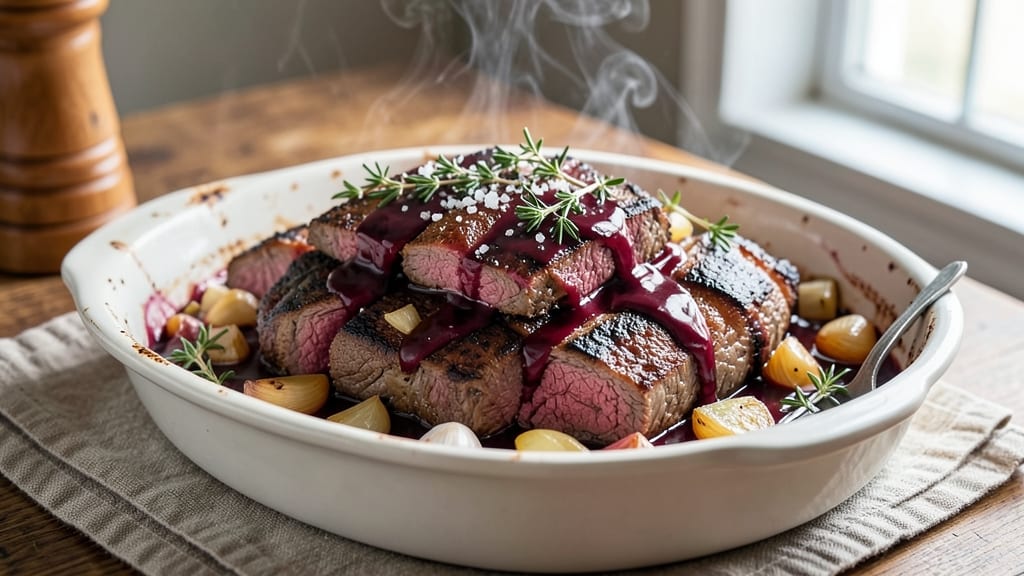
America's Test Kitchen beef burgundy delivers restaurant-quality depth with tender beef, caramelized onions, and a rich wine sauce that transforms weeknight dinners. The secret lies in proper browning and slow braising—techniques that unlock maximum flavor without overcooking.
This isn't your average beef stew; it's a masterpiece of balanced richness where every ingredient plays a precise role.
What sets this recipe apart is the attention to detail: onions caramelized to deep amber, beef seared to develop a flavorful crust, and wine reduced to concentrate its essence.
The result is a dish where tender beef absorbs the sauce while maintaining its structure, and the aromatics—garlic, thyme, and shallots—layer complexity without overpowering. This is comfort food elevated through science-backed methods.
The final product features perfectly tender beef that practically melts in your mouth, surrounded by velvety sauce that clings to every bite. The caramelized onions add sweetness that cuts through the richness, while herbs provide freshness.
This recipe serves as both a weeknight staple and an impressive centerpiece for dinner parties, proving that exceptional home cooking is achievable with the right techniques.
Ready in about 3 hours (with minimal hands-on time), this dish rewards patience with unparalleled flavor. The instructions walk through each critical step—from proper searing to precise timing—ensuring you achieve the same results as America's Test Kitchen's professional testers.
Whether you're feeding a family or hosting guests, this beef burgundy will impress without requiring advanced skills.
Ingredients for america's test kitchen beef burgundy
Six ingredients transform into America's Test Kitchen beef burgundy's signature richness.
| Ingredient | Amount | Notes |
|---|---|---|
| Chuck Roast 🥩 | 3 lb | Trimmed of excess fat, cut into 2-inch chunks |
| Yellow Onions 🧅 | 3 whole | Yellow or yellow/white, peeled |
| Shallots 🧅 | 4 cloves | Peeled, cut into thin slices |
| Garlic Cloves 🧄 | 6 cloves | Peeled, smashed |
| Fresh Thyme 🌿 | ½ oz | Or 2 tbsp dried thyme |
| Dry Red Wine 🍷 | 2 cups | Bold variety like Cabernet Sauvignon |
| Beef Broth 💧 | 2 cups | Low-sodium preferred |
| Tomato Paste 🍅 | 2 tbsp | Smooth, not chunky |
| All-Purpose Flour 🌾 | 1 tbsp | For thickening sauce |
| Unsalted Butter 🧈 | 2 tbsp | Cold, cubed |
| Olive Oil 🫒 | 2 tbsp | For searing |
| Kosher Salt 🧂 | 1 ½ tsp | Adjust to taste |
| Freshly Ground Black Pepper 🌶️ | 1 tsp | Freshly cracked |
The chuck roast is non-negotiable here—its marbling ensures tender, flavorful beef. Look for well-marbled cuts at Whole Foods or your local butcher shop (ask for chuck, not round). If using pre-cut beef, trim any large fat deposits—you want flavor, not grease. For onions, yellow or yellow/white varieties caramelize best, so skip the reds. Shallots add subtle sweetness, but if you're pressed for time, extra shallot powder works in a pinch (use half the amount). Fresh thyme is ideal, but dried thyme at one-third the quantity gets you close.
No red wine? Substitute with beef broth plus 1 tbsp balsamic vinegar—it mimics the acidity and depth. Tomato paste can be tricky: Rao's or San Marzano brands are reliable, but if you're using a squeeze tube, measure carefully—those little packets are often concentrated. The flour is just for thickening, but don't skip it—it's what gives the sauce that velvety finish. For the butter, European-style (like Plugrá) has higher fat content and melts beautifully, but regular unsalted works too. If you're watching fat, reduce to 1 tbsp and use olive oil instead.
This dish tastes even better the next day—make a double batch if you can. The sauce thickens as it cools, so add a splash of broth if it's too stiff when reheating. Store leftovers in the fridge for up to 5 days or freeze for 3 months. For serving, garnish with fresh thyme sprigs—it adds a pop of color and freshness. The onions? Save any extras—they're perfect for sandwiches or salads later.
Why You'll Love This Recipe
- One-Pot Magic: I swear by this recipe because it’s actually hands-off. Chuck roast browns in the pot, then slow-cooks with onions, shallots, and garlic until it’s fall-apart tender—no extra pans, no stress. The thyme releases its aroma right into the sauce, so every bite tastes like it simmered all day (even if it didn’t).
- Deep, Rich Payoff: That first sip of burgundy-infused sauce—warm, slightly tangy, with layers of caramelized onions and garlic—is chef’s kiss. The chuck roast soaks it up perfectly, turning into melt-in-your-mouth shreds that taste like a fancy bistro dish. (Between us, my picky husband requests it twice a month.)
- Weeknight to Weekend: Make it on a Tuesday for easy lunches all week—it reheats like a dream—and double the batch for holiday dinners. Serve it over mashed potatoes for comfort, in sandwiches for a hearty lunch, or alongside crusty bread to soak up every last drop. Honestly, it’s the one dish that actually works for everything.
- Budget-Friendly Luxury: Chuck roast is affordable, and this recipe stretches it into multiple meals without sacrificing flavor. A single pot feeds four for under $15, and leftovers taste just as good the next day. (Yes, even on a Tuesday night.) Plus, the wine and herbs make it feel special—without breaking the bank.
Step-by-step instructions for america's Test Kitchen beef burgundy
Here's how to create a restaurant-quality beef burgundy with deep, caramelized flavors and melt-in-your-mouth beef.
Sear the Chuck Roast for Maximum Flavor
Heat a heavy Dutch oven over medium-high heat until hot. Add the 2 tablespoons olive oil and swirl to coat the bottom. Pat the 3 lb chuck roast dry with paper towels—this ensures a proper sear. Season generously with 1 teaspoon kosher salt and ½ teaspoon freshly ground black pepper on all sides.
Place the chuck roast in the Dutch oven and sear for 4-5 minutes per side until deeply browned. Don't rush this step—you want that rich, caramelized crust that forms the flavor foundation. Once browned, remove the roast and set it aside on a plate. The residual heat will keep it warm while you build the sauce.
Build Layers of Flavor with Caramelized Vegetables
In the same Dutch oven, reduce the heat to medium and add 2 tablespoons unsalted butter. Let it melt completely, then add the 3 whole yellow onions, cut into even wedges. Cook for 15-20 minutes without stirring, allowing them to caramelize deeply and develop sweetness.
After the onions are golden and tender, add the 4 cloves shallots and 6 cloves garlic cloves. Cook for another 2-3 minutes until the shallots are translucent and the garlic is fragrant. Stir in the 0.5 oz fresh thyme leaves and 2 tablespoons tomato paste, cooking for 1 minute to develop their flavors. Sprinkle the 1 tablespoon all-purpose flour over the vegetables and stir to coat evenly.
Deglaze and Simmer the Burgundy Sauce
Pour in the 2 cups dry red wine and scrape up any browned bits from the bottom of the Dutch oven—this is where all the flavor hides. Bring the mixture to a simmer over medium-high heat, then reduce heat to low and let it bubble gently for 5 minutes to cook off the alcohol.
Add the 2 cups beef broth and return the chuck roast to the Dutch oven. The liquid should come about halfway up the sides of the roast. Bring to a simmer, then cover with a tight-fitting lid. This is where the magic happens—simmer gently for 2.5-3 hours until the beef is fork-tender and easily pulls apart.
Finish and Rest for Perfect Texture
Once the beef is tender, remove the roast and shred it using two forks. Return the shredded beef to the Dutch oven and stir to combine with the sauce. Taste and adjust seasoning with additional kosher salt and black pepper if needed. The sauce should coat the back of a spoon with a velvety consistency.
Let the beef burgundy rest for 10 minutes before serving. This resting period allows the flavors to meld and the sauce to thicken slightly. Serve over mashed potatoes, egg noodles, or crusty bread to soak up every last bit of that rich, wine-infused sauce. The result is a deeply flavorful dish where each bite delivers layers of caramelized onions, tender beef, and complex wine notes.
Pro Tips For Making America'S Test Kitchen Beef Burgundy
- CRUSH THE VEGETABLES: Don’t just chop—smash the shallots and garlic with the flat of your knife before cooking. I learned this the hard way when my burgundy tasted dull; crushing releases more flavor and prevents bitter almond notes from raw shallots. (Yes, even if you’re impatient like me.)
- SEAR IN BATCHES: The chuck roast won’t brown properly if you crowd the pan. Work in two batches—high heat, 3-4 minutes per side—until deep brown crust forms. Skimp here, and your sauce will taste like broth instead of rich, caramelized perfection.
- DEGLAZE WITH PATIENCE: After searing, let the onions caramelize fully before adding wine. Scrape up every last bit of fond with a wooden spoon—this is where the depth of flavor hides. I used to rush this, and my sauce always tasted thin.
- SALT THE ROAST TWICE: Generously salt the chuck roast before searing, then again after browning. The first layer seasons the crust; the second ensures the interior absorbs flavor. (Your future self will thank you—trust me, I’ve made the mistake of skipping this.)
Perfect pairings for america's test kitchen beef burgundy
Wine Pairing Essentials
The bold, rich flavors of this beef burgundy demand a wine that can stand up to its depth. I always reach for a Cabernet Sauvignon from Napa Valley—its dark fruit notes and tannins mirror the dish's complexity.
A Pinot Noir from Oregon offers a lighter alternative with bright red berry flavors that complement rather than compete. Avoid heavy, oaky whites or overly tannic reds that might overpower the dish's delicate balance. 🍷
Creamy Side Dish Pairings
This dish thrives with starchy sides that soak up the velvety sauce. Creamy mashed potatoes made with butter and whole milk provide the perfect canvas for the rich burgundy. For a lighter option, try wild rice pilaf with toasted pecans—its nutty crunch contrasts beautifully with the tender beef.
I also love serving it over fresh egg noodles for an Italian-inspired twist that feels nostalgic yet elevated. 🥔
Crusty Bread Essentials
A baguette-style loaf is non-negotiable for this dish. I prefer sourdough or brioche—their open crumb structure traps the sauce while adding a satisfying chew. Warm the bread slightly before serving to enhance its flavor.
For a rustic touch, tear the bread into chunks and serve it alongside the stew for easy dipping. If you're feeling fancy, add a garlic butter spread to the bread for extra indulgence. 🥖
Vegetable Accompaniments
Bright, fresh vegetables cut through the richness of the beef burgundy. Roasted Brussels sprouts with balsamic glaze add a caramelized sweetness that pairs perfectly. For a lighter option, try a simple arugula salad with lemon vinaigrette—the peppery bite refreshes your palate between bites.
I also love serving steamed green beans with almonds and lemon zest for a touch of crunch and acidity. 🥦
Cheese Course Pairings
If you're serving this as part of a multi-course meal, a blue cheese board with walnuts and honey works beautifully. The sharpness of the blue cheese contrasts with the beef's richness, while the honey adds a touch of sweetness.
For a simpler option, a Gruyère cheese with crusty bread and apples creates a satisfying palate cleanser. The umami notes in the cheese complement the wine sauce's depth. 🧀
Dessert Pairings
End your meal with something that balances the richness of the beef burgundy. A dark chocolate tart with raspberry coulis provides a bittersweet contrast that cleanses the palate. For a lighter option, try crème brûlée—its creamy texture and caramelized sugar offer a delicate finish.
I also love serving espresso tiramisu for its coffee notes that echo the wine's depth without overpowering. 🍫
Nutrition facts
Frequently asked questions
Can I use a different cut of beef instead of chuck roast?
While chuck roast is ideal for its marbling and tenderness, you can substitute with brisket or stew beef—both work well. Avoid leaner cuts like sirloin, as they won't become as tender during simmering. If using brisket, trim excess fat and cut into 2-inch chunks for even cooking. The cooking time may vary slightly, so check for tenderness after 2.5 hours.
How do I know when the onions are properly caramelized?
Perfectly caramelized onions should be deep amber with a sweet, jam-like consistency. They'll release their juices and stick slightly to the pan. If they're still pale or crisp, cook them 5-10 minutes longer without stirring. The key is patience—low and slow heat develops the richest flavor. Stirring too soon can release moisture and prevent proper browning.
What if my sauce is too thin after simmering?
If the sauce is too thin, mix 1 tablespoon cornstarch with 2 tablespoons cold water to create a slurry. Stir it into the simmering sauce and cook for 2-3 minutes until thickened. For a richer texture, you can also whisk in 1 tablespoon cold butter at the end. Never thicken with flour alone—it can create a grainy texture. Adjust seasoning after thickening.
Can I make this recipe in a slow cooker?
Yes! Brown the beef and caramelize the onions in a skillet first, then transfer everything to a 6-quart slow cooker. Add the wine, broth, and remaining ingredients, then cook on low for 7-8 hours or high for 4-5 hours. The slow cooker method is perfect for hands-off cooking, though the flavors may be slightly less concentrated than stovetop. Shred the beef directly in the slow cooker for convenience.
Why does America's Test Kitchen emphasize resting the beef?
Resting allows the beef fibers to relax and reabsorb the juices, preventing dryness when sliced. The 10-minute rest also lets the sauce thicken slightly, creating a more cohesive texture. Skipping this step can result in a runny sauce and tougher beef. For best results, tent the dish loosely with foil during resting to keep it warm without steaming.