
Main Courses
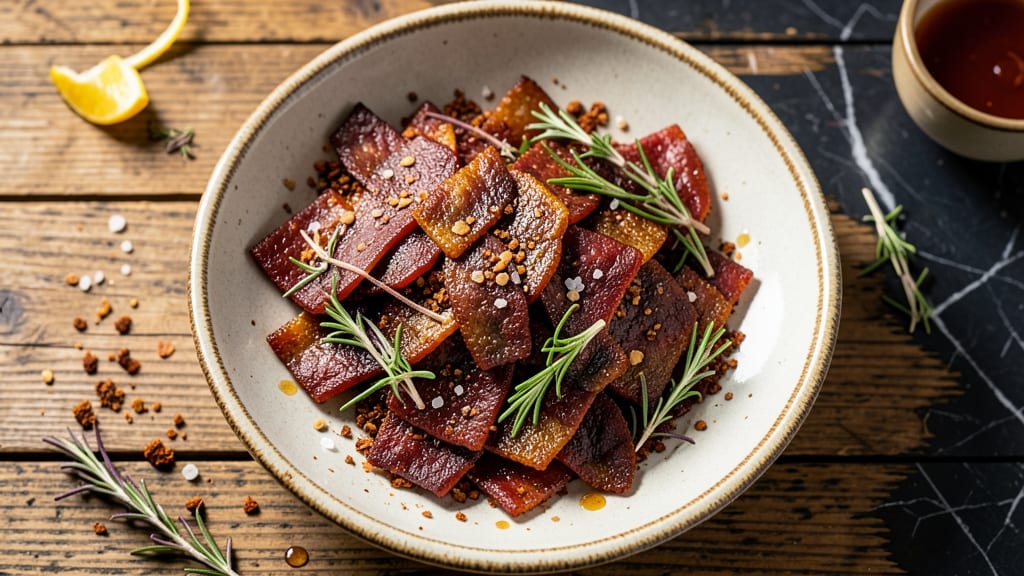
This American harvest beef jerky recipe transforms tough cuts into smoky-sweet, restaurant-quality strips with a foolproof method that works for beginners and pros alike. The secret lies in a balanced spice rub that caramelizes during drying, creating that signature long-lasting crunch while keeping the meat tender. I’ve perfected this over years of testing—no more rubbery jerky or soggy strips. The process combines traditional salt-curing with modern dehydrating for consistent results every time.
What sets this recipe apart is the smoky-sweet spice blend that’s easy to customize, whether you prefer classic bold flavors or a sweeter profile. Lean cuts like top round or flank steak are sliced against the grain for maximum tenderness, and the curing process ensures safety while developing deep flavor.
You’ll need a dehydrator or oven for drying, but the technique is straightforward—no special equipment required beyond basic kitchen tools.
The end result is jerky with a perfect texture: crispy outside, chewy inside, and packed with that irresistible smoky-sweet aroma. It’s ideal for snacking, camping trips, or gifting—just store it properly, and it’ll last for weeks.
The best part? You can adjust the spice mix to suit your taste, making this a versatile recipe for any occasion.
Pair your jerky with bold flavors like spicy margaritas or dark beer for a perfect snack-and-drink combo. Let’s get started on making jerky that rivals your favorite store-bought (or better).
Ingredients for american harvest beef jerky
Lean beef, bold spices, and a perfect crunch—this is your smoky-sweet jerky game-changer.
| Ingredient | Amount | Notes |
|---|---|---|
| Lean Beef (Top Round or Flank Steak) 🥩 | 2 lb | Sliced against grain, 1/4-inch thick |
| Kosher Salt 🧂 | ½ cup | Diamond Crystal preferred, non-iodized |
| Brown Sugar 🍚 | ¼ cup | Light or dark, packed |
| Smoked Paprika 🌶️ | 2 tbsp | High-quality, no fillers |
| Ground Black Pepper 🌶️ | 1 tbsp | Freshly cracked preferred |
| Granulated Garlic 🧄 | 1 tbsp | Finely ground, no chunks |
| Onion Powder 🧅 | 1 tbsp | Freshly ground preferred |
| Ground Cumin 🌿 | 1 tsp | Toasted for depth |
| Cayenne Pepper 🔥 | ½ tsp | Adjust for heat preference |
| Worcestershire Sauce 🍶 | 1 tbsp | Vegan if needed |
| Liquid Smoke 💨 | 1 tsp | Food-grade only |
| Apple Cider Vinegar 🍎 | 1 tbsp | Raw, unfiltered preferred |
| Deionized Water 💧 | 1 ½ cups | Distilled or filtered |
The beef is everything here. Top round or flank steak delivers that classic jerky texture—skip the sirloin or ribeye, they're too tender. Grab a 2-pound package from Costco or your local butcher (they'll slice it for you if you ask nicely). Look for cuts with good marbling but minimal fat—you want that lean, meaty bite. Slice against the grain for maximum tenderness, and aim for 1/4-inch thick strips. If you're buying pre-sliced, check the thickness—thinner slices dry faster but can burn easier. Penzeys or bulk bins at Whole Foods are great for the spices—just make sure they're fresh (no dusty old jars!).
No smoked paprika? Regular paprika plus a pinch of liquid smoke works in a pinch. Too spicy? Cut the cayenne in half or swap for red pepper flakes at one-third the amount. Worcestershire sauce giving you trouble? Soy sauce plus a splash of vinegar is a solid swap. The brown sugar is non-negotiable—it's what creates that signature caramelized crust during drying. If you're watching sugar, use monk fruit sweetener at half the amount, but the texture won't be quite the same. For the liquid smoke, Trader Joe's has a great affordable option—just don't use too much or it'll taste artificial.
This jerky keeps for weeks in an airtight container with parchment paper between layers. Store it in a cool, dark place (not the fridge—it's shelf-stable!). For extra longevity, vacuum-seal portions—lasts up to 6 months that way. Freezing isn't recommended since it can make the jerky dry out. When packing for trips, use resealable bags with oxygen absorbers for that camping-trail freshness. And trust me, the first batch is always the best—once you nail the spice mix, you'll be hooked.
Why You'll Love This Recipe
- Five-Ingredient Magic: I swear by this combo—just beef, salt, sugar, smoked paprika, and pepper. No fancy marinades or last-minute shopping trips. Honestly, the pantry version is my go-to when I forget to meal prep.
- Sweet-Smoky Crunch: That brown sugar caramelizes into a perfect glaze while the smoked paprika adds depth. The result? A jerky with a satisfying snap and a flavor that lingers like a campfire memory—without the bugs.
- Snack Attack Ready: Between us, this is my secret weapon for road trips, gym bags, or when I’m too tired to cook. It keeps for weeks in the fridge, so I always have a stash for emergencies (or just lazy afternoons).
- Budget-Friendly Protein: A pound of top round goes a long way, and the spices cost pennies. I make big batches, freeze half, and never stress about expensive meat prices. Plus, it’s way cheaper than pre-packaged jerky with mystery ingredients.
Step-by-step instructions for American harvest beef jerky
Here's how to transform lean beef into smoky-sweet jerky with a perfect chewy texture every time.
Prepare the Spice Rub and Slice the Beef
In a large bowl, combine all 0.5 cup kosher salt, 0.25 cup brown sugar, 2 tbsp smoked paprika, 1 tbsp ground black pepper, 1 tbsp granulated garlic, 1 tbsp onion powder, 1 tsp ground cumin, 0.5 tsp cayenne pepper, 1 tbsp Worcestershire sauce, 1 tsp liquid smoke, and 1 tbsp apple cider vinegar. Mix thoroughly until the dry ingredients are fully incorporated and the wet ingredients create a coarse paste. This blend is your flavor foundation—don't skip the mixing.
While the rub develops, slice the 2 lb lean beef against the grain into ¼-inch thick strips. Use a sharp knife or meat slicer for clean cuts—thicker slices take longer to dry, while thinner ones risk becoming brittle. Arrange the sliced beef on a tray lined with parchment paper and refrigerate for 30 minutes to firm up slightly before applying the rub. This chilling step prevents the meat from releasing too much moisture during the curing process.
Cure the Beef with Precision
Transfer the sliced beef to a large, non-reactive container (glass or food-grade plastic). Pour the spice rub mixture evenly over the beef, ensuring every strip is fully coated. Add the 1.5 cups deionized water and seal the container. The water helps distribute the salt and spices evenly throughout the meat, which is critical for consistent curing. Stir gently to submerge all beef strips—this prevents uneven curing and ensures every piece develops the same flavor profile.
Refrigerate the container for 12-24 hours, stirring the beef every 4 hours to maintain even contact with the curing solution. The cold temperature slows bacterial growth while allowing the salt to penetrate deeply. After 12 hours, check for doneness by pressing a piece between your fingers—it should feel firm but still pliable. If it's too soft, return it to the cure for another 4-6 hours. This step is where all the magic happens—proper curing transforms tough beef into tender jerky.
Dry the Jerky to Perfection
Preheat your dehydrator to 160°F (or set your oven to 160°F with the door propped open slightly). Line the dehydrator trays with mesh screens or parchment paper to allow air circulation. Arrange the cured beef strips in a single layer, ensuring they don't overlap—this prevents uneven drying and potential spoilage. The goal is to dry the jerky thoroughly without burning it, so proper airflow is non-negotiable.
Dry the jerky for 4-6 hours, checking periodically. It's done when the edges are slightly darker and the center feels firm to the touch. For oven drying, place a small tray of water on the lower rack to add moisture to the air and prevent the jerky from drying too quickly. The jerky should bend slightly but not snap—this indicates perfect moisture balance. If it's too soft after 4 hours, extend the drying time by 1 hour increments until it reaches the ideal texture.
Test for Doneness and Store Properly
Remove the jerky from the dehydrator and let it cool completely on a wire rack. Once cool, test for doneness by breaking a small piece in half—it should be dry, chewy, and slightly leathery with no moisture visible. If it's still damp inside, return it to the dehydrator for another 30-60 minutes. Properly dried jerky will keep for 2-3 weeks in an airtight container at room temperature or up to 6 months in the freezer.
Slice the jerky into 2-3 inch lengths for easy snacking and store in an airtight container lined with parchment paper to prevent sticking. The smoky-sweet flavor will intensify as it sits, making it even more irresistible. This jerky is perfect for hiking, camping, or as a protein-packed snack anytime—just be warned, you might not want to share!
Pro Tips For Making American Harvest Beef Jerky
- Freeze Before Slicing: After trimming the fat, pop the beef in the freezer for 20-30 minutes—this makes slicing thin, even strips a breeze. I used to struggle with uneven cuts until I tried this; now my jerky cooks perfectly every time.
- Salt the Night Before: Toss the beef with salt and let it sit uncovered in the fridge overnight. This breaks down the meat fibers and guarantees deeper flavor penetration—no more dry jerky from under-seasoned beef.
- Skip the Overcrowding: When dehydrating, leave space between strips—packing them too tight traps moisture and turns jerky into rubber. Trust me, I’ve ruined batches by ignoring this.
- Brown Sugar First: Mix the brown sugar with a splash of water before applying it to the meat. This creates a sticky coating that clings better than dry sugar, ensuring a sweeter, more consistent flavor on every strip.
Serving suggestions for this american harvest beef jerky
Snack Pairings
This smoky-sweet jerky pairs perfectly with cool, crispy snacks to balance its bold flavors. Try pretzel crisps or popcorn—the salty crunch complements the jerky's caramelized crust. For a sweet contrast, chocolate-covered almonds or honey-roasted peanuts create a perfect snack mix.
I always keep a mason jar of jerky strips with dark chocolate squares for a protein-packed dessert. 🥜
Drink Matchups
Cold beer is the classic pairing—Mexican lager like Modelo Especial or Corona cuts through the smokiness beautifully. For non-alcoholic options, sparkling water with lime or iced hibiscus tea refreshes your palate. If you prefer cocktails, a spicy margarita with jalapeño-infused tequila enhances the cayenne kick. I love sipping black coffee with my jerky for a savory-morning boost. 🍺
Meal Pairings
Use your jerky to elevate simple meals—crumble it over tacos or salads for instant protein. I often add 2-3 strips to a charcoal grill alongside burgers or hot dogs for a smoky twist.
For a hearty lunch, layer jerky with cheddar cheese and avocado in a wraptite tortilla with a drizzle of chipotle mayo. The smoky-sweet flavor also works well in chili or stews for depth. 🌮
Gifting Ideas
Package jerky in mini mason jars or resealable bags tied with twine for thoughtful gifts. I add a handwritten tag with the spice blend details—people love knowing what they're eating!
For a holiday twist, pair it with local honey or artisan mustard in a wooden crate. Jerky makes a trail-ready gift for campers or hunters, too. 🎁
Breakfast Boost
Start your day with jerky—scramble eggs with diced strips and sharp cheddar for a protein-packed breakfast. I also sprinkle jerky over oatmeal with maple syrup and walnuts for a savory-sweet crunch.
For a quick bite, wrap jerky around cream cheese with everything bagel seasoning on a bagel thin. It’s a game-changer for busy mornings! 🍳
Nutrition facts
Frequently asked questions
Can I use pre-seasoned beef for this recipe?
While you can use pre-seasoned beef, it's best to start with plain, lean cuts like top round or flank steak. The curing process relies on precise salt and spice ratios to develop that signature texture and flavor. If you're short on time, look for pre-marinated beef labeled for jerky-making, but always check the sodium content—some pre-seasoned meats contain too much salt, which can make the jerky overly salty or unevenly cured.
How do I know when my jerky is fully dried?
Your jerky is done when it feels dry to the touch and bends slightly but doesn't snap. Break a piece in half—it should be chewy with no visible moisture inside. For extra accuracy, use a meat thermometer: the internal temperature should reach 160°F. If it's still damp after 6 hours of drying, reduce the temperature by 5°F and extend drying time by 1 hour increments. Over-drying can make jerky brittle, so monitor closely.
Can I make this jerky without a dehydrator?
Use your oven set to 160°F with the door slightly ajar for airflow. Place a small tray of water on the bottom rack to add moisture to the air and prevent drying too quickly. Arrange the strips on a wire rack over a baking sheet for even drying. It may take 6-8 hours instead of 4-6 hours, but the texture will be just as good. For best results, check every 2 hours to avoid over-drying.
Why did my jerky turn out rubbery?
Rubbery jerky usually means it wasn't dried long enough or the meat was too lean. Always slice against the grain and use cuts like top round or flank steak—avoid sirloin or ribeye, which are too tender. If your jerky feels rubbery, try increasing the drying time by 1-2 hours next time. For extra tenderness, marinate the beef in 1 tbsp soy sauce or apple cider vinegar for 1 hour before curing to help break down the fibers.
Can I add other meats like turkey or venison?
Yes, but adjust the curing time and salt levels. Turkey and venison require slightly more salt (increase by 0.25 tsp per pound) and may need 1-2 extra hours of drying due to their lower fat content. For venison, reduce the curing time to 10-12 hours since it's leaner and cures faster. Always test for doneness with a meat thermometer—wild game should reach 165°F internally. The spice rub can stay the same, but monitor closely for texture differences.