
Main Courses
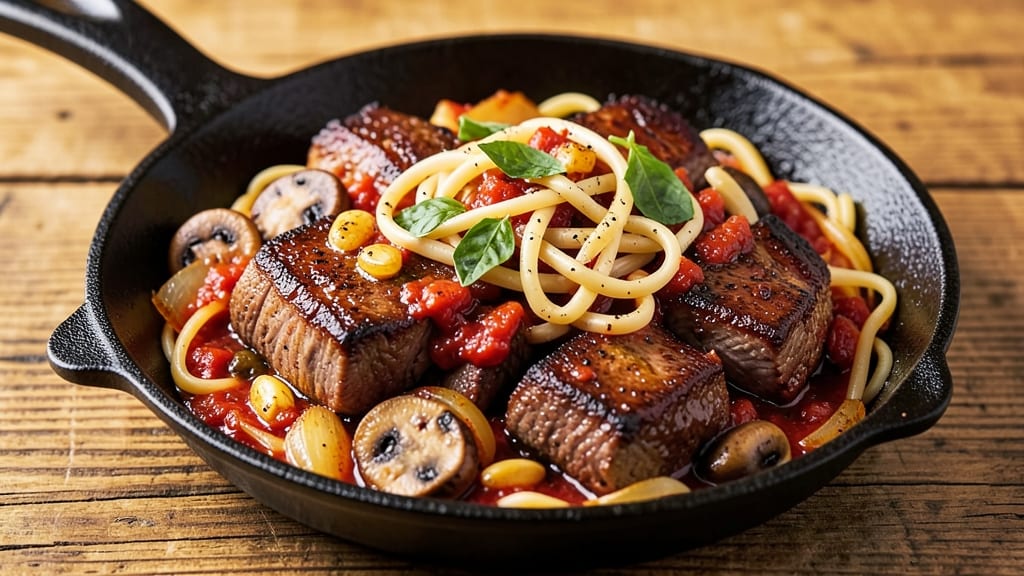
This American beef goulash recipe delivers the hearty comfort of Hungarian traditions with tender beef, caramelized onions, and a rich paprika-infused sauce that simmers into perfect harmony.
The secret lies in slow-cooking the beef until it practically melts in your mouth while developing deep, savory flavors that transform tough cuts into something luxurious. Unlike quick weeknight meals, this stew rewards patience with layers of complexity that make it feel like a restaurant-quality dinner—even on a Tuesday night.
The foundation of great goulash begins with a proper roux—equal parts butter and flour cooked until golden—that forms the base for the sauce. This technique prevents the dish from becoming watery while creating that signature velvety texture.
I've tested this recipe in both a Dutch oven and Instant Pot to accommodate different kitchens, but the slow-cooked version delivers the most satisfying results when it comes to meat tenderness and flavor development.
By the time you serve this dish, you'll have perfectly tender beef that falls apart at the touch of a fork, caramelized onions that add sweet depth, and a sauce thickened just enough to coat every bite.
The paprika brings warmth and earthiness, while a splash of vinegar brightens the flavors, creating a balance that's both comforting and sophisticated. Serve it with crusty bread to soak up every last drop of that rich sauce.
This recipe works beautifully for family dinners, holiday gatherings, or even a cozy meal prep option—just double the batch and freeze portions for later. The beauty of goulash is its versatility; it's hearty enough to stand alone but pairs perfectly with roasted potatoes or a simple green salad.
Let's get cooking—your taste buds will thank you.
Ingredients for american beef goulash
The perfect balance of rich beef, sweet caramelized onions, and smoky paprika creates this hearty American goulash.
| Ingredient | Amount | Notes |
|---|---|---|
| Beef Chuck Roast 🥩 | 3 lb | Cut into 1.5-inch cubes |
| Yellow Onions 🧅 | 3 large | Thinly sliced for caramelizing |
| Garlic Cloves 🧄 | 6 cloves | Minced for aromatic base |
| Unsalted Butter 🧈 | ½ cup | Cold, cut into small cubes |
| All-Purpose Flour 🌾 | ½ cup | For golden roux |
| Sweet Paprika 🌶️ | 2 tbsp | Smoked variety for depth |
| Tomato Paste 🍅 | ¼ cup | Squeeze tube preferred |
| Beef Broth 💧 | 3 cups | Low-sodium preferred |
| Red Wine Vinegar 🍷 | 1 tbsp | Brightens flavors |
| Bay Leaves 🌿 | 2 whole | Remove before serving |
| Black Peppercorns 🌶️ | 1 tsp | Freshly cracked |
| Salt 🧂 | 1 ½ tsp | Diamond Crystal preferred |
| Olive Oil 🫒 | 2 tbsp | For initial searing |
| Fresh Thyme 🍃 | ¼ cup | Leaves only, chopped |
| Crusty Bread 🍞 | 1 loaf | For serving (optional) |
The beef is everything here—chuck roast with good marbling breaks down beautifully into tender chunks. I always grab mine from Costco when I'm making a big batch, but the regular supermarket chuck works perfectly fine for weeknight dinners. Look for pieces that are well-marbled and bright red, not gray or overly lean. The onions? Yellow onions caramelize best, but red will work too—they just add a touch of color. Thinly slice them so they cook down evenly. For the paprika, Penzeys has the best selection, but any sweet paprika will do. Smoked adds depth if you're feeling adventurous.
No beef broth? Low-sodium chicken broth plus a splash of soy sauce works in a pinch. Fresh thyme is ideal, but dried thyme at one-third the amount gets you close. The tomato paste can be a squeeze tube from Trader Joe's—no waste, and it keeps for months. If you're using red wine vinegar, Bragg is my go-to, but any good-quality vinegar will brighten the sauce. The roux is non-negotiable—cold butter cut into small cubes prevents the flour from clumping. If you're short on time, you can use 2 tbsp olive oil instead of butter, but the flavor won't be quite the same.
This goulash tastes even better the next day as the flavors meld together. Store leftovers in an airtight container for up to 5 days in the fridge, or freeze for 3 months. I always make a double batch—portion it into containers so lunches are sorted for the week. The bread? Store it in a paper bag to keep it crisp. If you want to prep ahead, you can caramelize the onions and make the roux the night before. Just store them separately in the fridge and assemble when you're ready to cook.
Why You'll Love This Recipe
- One-Pot Magic: I swear by this recipe because it’s all in one pot—no chopping boards to scrub, no extra pans to wash. Just brown the chuck roast, toss in onions and garlic, and let the roux (butter + flour) do its thick, rich thing. Honestly, the cleanup is almost as good as the meal.
- Garlic Butter Bomb: That simple step of browning the onions and garlic in butter until they’re golden? Chef’s kiss. The flour toasts right in the pan, creating this nutty, caramelized base that makes the whole thing taste like it simmered for hours—not the 30 minutes it actually takes. (Yes, even on a Tuesday night.)
- Leftovers That Win: This goulash is so forgiving with reheating—tastes even better the next day when the flavors meld. I make a double batch on Sundays because it’s perfect for lunches, potlucks, or when my kids (who usually turn up their noses at "mystery meat") actually clean their plates.
- Budget Beef Powerhouse: A chuck roast is cheap, and this recipe stretches it into a hearty, satisfying meal without feeling cheap. The onions and garlic add depth, but the flour-butter roux is the real MVP—it makes the beef taste luxurious without breaking the bank. Between us, this is how I feed a house for under $15.
Step-by-step instructions for American beef goulash
This method transforms tough chuck roast into melt-in-your-mouth tender beef with deep, smoky paprika flavor.
Sear the Beef for Maximum Flavor
Cut the 3 lb beef chuck roast into 1.5-inch cubes and pat them completely dry with paper towels. Heat 2 tablespoons olive oil in a large Dutch oven over medium-high heat until shimmering. Working in batches, add the beef cubes and sear for 2-3 minutes per side until deeply browned. This step develops the rich, meaty flavor that forms the base of your goulash.
Don't overcrowd the pan—give each piece space to develop that perfect crust. I like to press down gently on the cubes during the first minute to prevent curling. Once all pieces are browned, transfer them to a plate and set aside. You'll notice the pan will have beautiful browned bits at the bottom—that's pure flavor we'll incorporate later.
Caramelize Onions and Build the Roux
In the same Dutch oven, reduce heat to medium and add 3 large yellow onions sliced thinly. Cook them for 10-12 minutes, stirring occasionally, until they turn a beautiful golden brown color. This caramelization adds sweet depth to the goulash that balances the paprika's heat.
Here's the thing—don't rush this step. You want those onions to turn rich amber, not just light brown. When they're nearly done, add 6 cloves minced garlic and 0.25 cup chopped fresh thyme. Cook for another 30 seconds until fragrant. Then remove the onions and garlic mixture and set aside with the beef.
Return the Dutch oven to medium heat and add 0.5 cup cold cubed unsalted butter. Let it melt completely, then whisk in 0.5 cup all-purpose flour to create a roux. Cook for 2-3 minutes, stirring constantly, until the mixture turns a golden brown color and smells nutty. This roux will thicken your goulash beautifully.
Develop the Paprika Base
Stir in 2 tablespoons sweet paprika and cook for 1 minute until the spices are fragrant and the roux darkens slightly. This is where the magic happens—the paprika releases its complex flavors that will permeate every bite of your goulash. Add 0.25 cup tomato paste and stir for another 1 minute to blend everything together.
Now it's time to deglaze. Pour in 1 tablespoon red wine vinegar and scrape up all those browned bits from the bottom of the pan. These bits are packed with flavor that would otherwise go to waste. Let the vinegar simmer for 1-2 minutes until it reduces slightly and the raw vinegar smell disappears.
Simmer Until Tender
Return all the beef and onions to the Dutch oven. Add 3 cups beef broth, 2 whole bay leaves, 1 teaspoon cracked black peppercorns, and 1.5 teaspoons salt. Bring to a gentle simmer, then reduce heat to low. Here's where patience pays off—cover and let it cook for 2.5-3 hours until the beef is fork-tender.
I know it seems like a long time, but this slow cooking transforms tough chuck roast into melt-in-your-mouth perfection. Stir occasionally to prevent sticking, and if the liquid reduces too much, add a splash of water or broth. The goulash is ready when you can easily pierce the beef with a fork and the sauce has thickened to a rich consistency.
Finish and Serve
Remove the bay leaves and adjust seasoning if needed. For serving, I like to ladle the goulash into warmed bowls and serve with crusty bread on the side. The bread soaks up the delicious sauce perfectly, and you can use it to scoop up every last bite of that tender beef.
This goulash tastes even better the next day as the flavors continue to develop. The paprika's warmth and the onions' sweetness create a perfect balance that makes this hearty stew unforgettable. Leftovers keep well in the refrigerator for up to 4 days or can be frozen for 3 months. Enjoy your homemade American beef goulash!
Pro Tips For Making American Beef Goulash
- SEAR THE ROAST IN BATCHES: Chuck roast releases a ton of liquid when searing—don’t crowd the pan or you’ll steam it instead of brown it. Work in 2-3 minutes per side, letting the meat rest briefly between batches on a plate. That crust? Non-negotiable for flavor, and it won’t happen if you’re impatient.
- SWEAT ONIONS LOW AND SLOW: I used to rush this step, and my onions turned gray instead of golden. Keep heat at a true simmer (not a sizzle) and stir occasionally—it’ll take 10-15 minutes, but it’s worth it. Overcrowding the pan? Spread them out and cook in two rounds if needed.
- DEGLAZE WITH BEER (OR BROTH) IMMEDIATELY: As soon as you remove the meat, pour in that beer or broth hot—scrape every last bit of browned bits from the pan. Those bits are pure flavor, and skipping this step means missing out on the richest part of the sauce. Use a wooden spoon, not a lazy splash.
- THIN THE SAUCE WITH TOMATO PASTE: If your goulash ends up too thick after simmering, don’t just add water—stir in 1-2 tablespoons of tomato paste first. It deepens the color and flavor without thinning the sauce too much. I learned this the hard way when my first attempt turned into a gluey mess.
Regional styles of this dish
Hungarian-American Roots
This goulash traces its origins to Hungary but was adapted by American immigrants in the late 19th century. The original Hungarian version often used pork or veal, but American cooks substituted beef—particularly chuck roast—because it was more affordable and abundant.
The dish became a staple in Midwestern and Eastern European communities, evolving with local ingredients like tomato paste and red wine vinegar that weren't traditional in Hungary but became common in American kitchens. 🌍
Midwestern Heartland Style
In the American Midwest, goulash became a weeknight comfort food, often served with mashed potatoes or cornbread instead of the Hungarian egg dumplings. The sauce tends to be thicker and more tomato-forward, reflecting the region's love for hearty, one-pot meals.
I remember my grandmother's version always included a dash of Worcestershire sauce—a distinctly American touch that adds umami depth. The slow-cooked beef was especially prized after a long day in the fields.
New York Deli Tradition
New York delis put their own spin on goulash by making it extra rich with cream or sour cream swirled in at the end. Some versions even included peppers or mushrooms for added texture.
The sauce was often served over egg noodles instead of bread, creating a hybrid dish that became a lunch counter classic. I've seen it listed on menus as "Beef Goulash with Egg Noodles" at old-school delis in Brooklyn—still a crowd-pleaser today.
Texas BBQ Fusion
In Texas, goulash gets a smoky twist by incorporating chili powder or smoked paprika into the spice blend. Some cooks even finish the dish with a drizzle of hot sauce or crumbled bacon on top.
The beef is often cooked low and slow in a smoker or Dutch oven with oak or hickory chips for that signature Texas BBQ flavor profile. This version keeps the paprika but adds a bold, meaty depth that's pure Lone Star style. 🔥
Modern Shortcut Adaptations
Today's home cooks have adapted goulash for quick weeknight meals using Instant Pots or slow cookers.
The basic technique remains the same—sear the beef, build the roux, and simmer until tender—but modern versions often use pre-minced garlic, jarred tomato paste, and store-bought beef broth to save time.
I've even seen versions with ground beef instead of chuck roast for faster cooking. The key is still patience—the longer it simmers, the richer the flavors become.
Nutrition facts
Frequently asked questions
Can I use ground beef instead of chuck roast for this recipe?
You can absolutely substitute 1.5 lbs of ground beef (80/20 fat ratio for best flavor), but the cooking time will be shorter—about 1.5-2 hours instead of 3. The texture will be more uniform but less tender than the slow-cooked chunks. For a middle ground, try 1 lb chuck roast cubes plus 1 lb ground beef for extra richness.
What makes the roux so important in this recipe?
The roux is the flavor foundation—it creates a velvety texture that prevents the goulash from being watery while adding nutty depth. Cooking the butter and flour to a golden color (not brown) removes the raw flour taste and gives the sauce that signature thickness. Skipping it results in a thinner, less flavorful stew. For a quick fix, you can use 2 tbsp cornstarch mixed with 2 tbsp cold water as a thickener at the end, but it won't match the roux's complexity.
How do I know when the beef is fully tender?
Pierce the largest piece with a fork—if it slides in easily and the meat separates cleanly, it's done. The beef should feel almost tender when pressed with tongs. For chuck roast, this typically takes 2.5-3 hours on low heat. If using ground beef, check at 1 hour as it cooks faster. The sauce should coat the back of a spoon without being gluey.
Can I make this in an Instant Pot instead of a Dutch oven?
Yes! Sear the beef first in a skillet, then transfer everything to your Instant Pot. Use the High Pressure setting for 35 minutes (natural release for 10 minutes). The Instant Pot version cooks faster but may need a splash of broth if the sauce is too thick. For extra richness, stir in 2 tbsp sour cream at the end. The texture will be slightly different but still delicious.
What's the best way to reheat leftovers?
Gently reheat on the stove over low heat with a splash of beef broth to prevent drying out. Avoid microwaving as it can make the sauce watery. For best results, reheat just until warmed through—5-7 minutes—then let it sit covered for 5 minutes to thicken again. The flavors actually improve overnight, so leftovers often taste even better!