
Main Courses
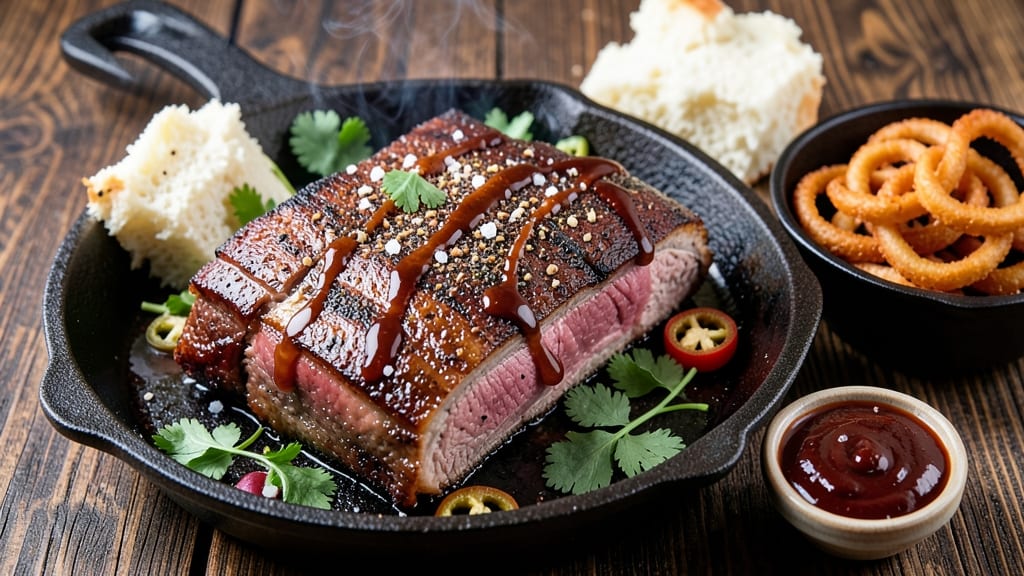
This American beef brisket recipe delivers the smoky, tender perfection that makes it a backyard BBQ legend. The secret lies in patience—slow-cooking the brisket until it reaches 203°F transforms tough meat into melt-in-your-mouth slices that practically fall apart.
I’ve perfected this method over years of trial and error, balancing bold spices with a deep, caramelized crust that’s impossible to resist.
The process starts with a dry rub of coarse salt, black pepper, and smoked paprika, applied generously to both sides of the brisket. Whether you smoke it over hickory or braise it in the oven, maintaining a steady 225–250°F temperature is key.
The long cook time—8 to 12 hours—allows the connective tissue to break down, creating a texture that’s both tender and juicy. No shortcuts here, but the results are worth every minute.
When the brisket hits the target temperature, it’s time to rest—at least 1 hour—before slicing against the grain. This resting period ensures the juices redistribute, so every bite is packed with flavor.
Serve with classic sides like crispy collard greens, buttery cornbread, and a tangy BBQ sauce for the full Southern experience. The aroma alone will have your guests asking for seconds before the first slice is even served.
This recipe is designed for foolproof success, whether you’re hosting a crowd or treating yourself to a showstopping meal. The techniques I’ve refined—from proper seasoning to precise temperature control—ensure restaurant-quality results at home. Ready to master the art of brisket? Let’s get started.
Ingredients for american beef brisket
Six ingredients make the dry rub, plus a few more for the perfect slow-cooked brisket experience.
| Ingredient | Amount | Notes |
|---|---|---|
| Beef Brisket 🥩 | 4 lb | Whole packer cut, fat cap intact |
| Coarse Kosher Salt 🧂 | ½ cup | Diamond Crystal preferred |
| Freshly Ground Black Pepper 🌶️ | 2 tbsp | Cracked peppercorns preferred |
| Smoked Paprika 🌶️ | 2 tbsp | High-quality, not mild |
| Garlic Powder 🧄 | 1 tbsp | Freshly ground preferred |
| Onion Powder 🧅 | 1 tbsp | Unsulfured preferred |
| Brown Sugar 🍯 | 1 tbsp | Light or dark works |
| Mustard Powder 🌶️ | 1 tsp | Yellow or Dijon preferred |
| Chopped Hickory Chips 🌳 | 2 cups | Unsoaked, for smoker |
| Apple Cider Vinegar 🍎 | ¼ cup | For spritzing during cook |
| Beef Stock 🍲 | 1 cup | Homemade or high-quality |
| Yellow Onion 🧅 | 1 whole | Quartered for braising |
| Fresh Thyme Sprigs 🌿 | 2 sprigs | For aromatics during cook |
The brisket cut is everything. Packer briskets from Costco or local butchers have the best marbling, but any 4-5 lb whole packer cut works—just make sure the fat cap is intact. That fat renders down during cooking, keeping the meat juicy. If you're buying pre-trimmed, ask for the flat cut with the fat cap left on. Whole Foods and Trader Joe's often carry quality briskets too. Look for bright red color and good marbling—those white streaks of fat are your friend here. The bigger the brisket, the more flavorful it'll be, but don't go under 4 lbs unless you're feeding a small crowd.
No hickory chips? Oak or pecan work just as well—just adjust the cook time slightly. The spices in the dry rub are non-negotiable though. Penzeys or bulk bins at natural food stores have the best quality smoked paprika and mustard powder. For the vinegar spritz, apple cider vinegar adds depth, but white vinegar works in a pinch. The beef stock should be homemade if possible—store-bought can be hit or miss. If you're short on time, low-sodium beef bouillon dissolved in water works too. And if you're braising instead of smoking, add 1/2 cup of apple juice to the pan for moisture.
Brisket keeps beautifully—3-4 days in the fridge if wrapped tightly in butcher paper, or up to 3 months frozen. I always make extra because leftovers are even better the next day. For serving, slice against the grain—that's the key to tender bites. The rub mixture can be made a week ahead and stored in an airtight container. The hickory chips? Keep them in the freezer to preserve freshness. This recipe is all about patience, but the payoff—juicy, smoky, fall-apart brisket—makes every minute worth it.
Why You'll Love This Recipe
- Five-Ingredient Magic: I swear by this combo—just brisket, salt, pepper, smoked paprika, and garlic powder. That’s it. No fancy rubs, no stress. The magic happens when you let the smoky, garlicky crust form while the meat stays tender.
- Weeknight Crowd-Pleaser: Between us, this is the dish I pull out when my in-laws visit unexpectedly. It’s hearty enough to feed four but doesn’t require babysitting. Plus, the leftovers? Even better the next day—trust me.
- Budget-Friendly Feast: A whole brisket stretches across meals without breaking the bank. I’ll make tacos one night, sandwiches the next, and still have enough for a slow-cooker chili. Minimal ingredients, maximum bang for your buck.
- Slow Cooker Secret: Honestly, I don’t own a smoker, but this recipe works perfectly in my slow cooker. Toss everything in, set it low, and walk away. By the time I’m done with errands, dinner’s ready—crispy edges, juicy center, no effort.
Step-by-step instructions for smoky-spiced brisket
Here's how to transform a tough cut into melt-in-your-mouth perfection with bold Texas-style flavor.
Prepare the Brisket with Dry Rub
Start by trimming the fat cap on your 4 lb beef brisket to about ¼-inch thickness using a sharp boning knife. Leave the fat on the sides and edges to protect the meat during cooking. Pat the entire surface dry with paper towels—this step is crucial for developing that signature crispy bark later.
In a small bowl, combine 0.5 cup coarse kosher salt, 2 tbsp freshly ground black pepper, 2 tbsp smoked paprika, 1 tbsp garlic powder, 1 tbsp onion powder, 1 tbsp brown sugar, and 1 tsp mustard powder. Mix thoroughly until evenly distributed. Generously coat the brisket with this rub, pressing it into all surfaces including the fat cap. Let it sit uncovered in the refrigerator for at least 4 hours or overnight for maximum flavor penetration.
Set Up the Smoker
Preheat your smoker to 225°F using the 2 cups chopped hickory chips. Maintain a steady temperature—this low-and-slow method is what transforms tough brisket into tender slices. Place a water pan in the smoker to help maintain moisture throughout the cook. When you see clean, blue smoke (not thick white vapor), your smoker is ready.
Position the brisket fat-side up on the smoker grates. This allows the rendered fat to baste the meat as it cooks, creating that beautiful bark. Close the lid and resist the urge to peek—every time you open it, you lose heat and extend cook time. Let it smoke undisturbed for 4-6 hours until the internal temperature reaches 165-170°F on a meat thermometer inserted into the thickest part of the flat.
Spritz and Wrap for Tender Perfection
When the brisket hits the stall (temperature stops rising), it's time to intervene. Mix 0.25 cup apple cider vinegar with 1 cup beef stock in a spray bottle. Remove the brisket from the smoker and spritz it generously on all sides. Return it to the smoker and let it cook for another 30 minutes to 1 hour until the internal temperature reaches 195-200°F.
At this point, the brisket should be probe-tender—a knife should slide in like butter with no resistance. Wrap the brisket tightly in butcher paper (not aluminum foil), then return it to the smoker. This "Texas crutch" technique helps push through the stall while preserving that beautiful bark. Continue cooking until the internal temperature reaches 203°F, which should take another 2-3 hours.
Rest and Slice
Once the brisket reaches 203°F, remove it from the smoker and let it rest on a cutting board for at least 1 hour, wrapped in butcher paper and then in towels. This resting period allows the juices to redistribute throughout the meat, ensuring every slice is moist and flavorful. During this time, quarter the whole yellow onion and 2 sprigs fresh thyme for serving.
After resting, slice the brisket against the grain into ¼-inch thick slices. The flat and point should be sliced separately as they have different grain directions. Serve immediately with the caramelized onions and thyme sprigs for a complete presentation. Each slice should be tender enough to pull apart with a gentle tug, with a dark mahogany bark on the outside and a beautiful pink smoke ring just beneath.
Pro Tips For Making American Beef Brisket
- CRANK THE HEAT FIRST: I learned this the hard way—starting brisket on medium heat means a long, sad wait for the crust. Get that pan screaming hot for 3-4 minutes before adding the meat, then turn it down to medium-high. That first sear locks in flavor and makes the crust worth the effort.
- SALT THE NIGHT BEFORE: Yes, even if you’re impatient like me. Pat the brisket dry, then rub it with 1-2 tablespoons of kosher salt (more if it’s a big cut) and let it sit uncovered in the fridge for 12-24 hours. The salt penetrates deeper, and the meat stays juicier when you cook it—no extra work, just better results.
- DON’T POKERHOLE THE MEAT: I used to check doneness every 10 minutes, and every time I stabbed it, I lost precious juices. Use a meat thermometer instead—aim for 195°F internal temp for that classic fall-apart texture. If you must check, do it in one spot near the thickest part, then leave it alone.
- SMASH THE GARLIC POWDER: Pre-measured garlic powder is fine, but freshly crushed garlic cloves make a real difference. Smash 4-5 cloves with the flat side of your knife, sprinkle them over the brisket with the smoked paprika, and let them sit for 10 minutes before cooking. The oils release better, and the flavor hits harder—worth the extra minute.
Regional styles of this dish
Texas-Style Smoked
This is the brisket style that put Texas on the BBQ map—all about that dark mahogany bark and smoke ring you can't get anywhere else.
The key here is the Texas crutch technique: wrap the brisket in butcher paper when it hits 195°F to push through the stall while keeping that perfect crust.
I use hickory chips exclusively for that signature Texas smoke flavor, but some pitmasters add a pinch of cayenne to the rub for extra heat. The result? A brisket so tender it practically falls apart at 203°F internal temp. 🔥
Kansas City Sweet
If Texas is about bold smoke, Kansas City is all about that sweet, sticky bark. The signature touch? A liquid spritz every hour during the cook using a mix of apple juice and molasses—I use about ½ cup apple juice + 2 tbsp molasses per spritz.
This creates that famous KC glossy crust while keeping the meat juicy. The rub here is sweeter too, often including 1 tbsp brown sugar plus 1 tsp cinnamon for depth. Don't skip the 1-hour rest—this style needs it most to let those juices settle.
Carolina Whole-Hog
While most brisket recipes focus on the flat cut, Carolina pitmasters often cook the whole brisket (flat + point) together for maximum tenderness. The secret weapon? Vinegar-based spritzes—I mix equal parts apple cider vinegar and beef broth—applied every 90 minutes to keep the meat moist.
Carolina brisket also gets a longer cook time (often 14-16 hours) at 225°F, resulting in meat so tender it practically dissolves. The bark here is thinner but more flavorful, with a tangy-sweet balance from the vinegar.
Memphis Dry
Memphis brisket stands out with its dry rub only—no sauces, no wraps, just pure smoke and spice. The rub is simpler too: coarse salt, black pepper, and smoked paprika with just a touch of brown sugar.
The magic happens at 250°F for 10-12 hours, creating a thicker bark that's almost like bark on a tree. Memphis pitmasters often use post oak for a lighter smoke profile, and they never wrap the brisket—just let it do its thing.
The result is a brisket with a crunchy exterior that gives way to juicy, tender meat inside.
Oklahoma Tomato-Based
This is the one regional style that breaks the dry-rub mold. Oklahoma brisket gets a tomato-based sauce applied during the last 2-3 hours of cooking. I use a mix of crushed tomatoes, apple cider vinegar, and brown sugar (about 1 cup total) brushed on every hour.
The sauce caramelizes beautifully, creating a glossy, slightly sweet crust while keeping the meat incredibly moist. The rub here is lighter—just salt, pepper, and a touch of garlic powder**—letting the sauce take center stage. Perfect for those who love sweet-and-tangy flavors! 🍅
Nutrition facts
Frequently asked questions about American beef brisket
How do I know when my brisket is done?
Use a meat thermometer to check the internal temperature—203°F is the magic number for perfect tenderness. The brisket should also be probe-tender, meaning a knife slides in easily with no resistance. Never rely on time alone; temperature is your best indicator.
Can I cook brisket in the oven instead of a smoker?
Preheat your oven to 275°F and place the brisket on a rack in a roasting pan with 1 cup beef broth at the bottom. Cover with foil and cook until it reaches 203°F (about 6-8 hours). For extra flavor, add wood chips to your oven's smoker box or wrap the brisket in butcher paper after 4 hours.
What's the difference between the flat and point cuts?
The flat is leaner and cooks faster, while the point has more fat and stays juicier. They have different grain directions too—always slice against the grain for maximum tenderness. Many recipes cook them separately, but you can keep them together if you prefer. The point often falls apart more easily, making it perfect for sandwiches!
Why did my brisket turn out dry?
Overcooking or cutting too soon are the most common causes. Always rest the brisket for at least 1 hour before slicing, and never exceed 203°F internal temperature. If you're short on time, try the Texas crutch method (wrapping in butcher paper at 195°F) to retain moisture. A meat thermometer is your best friend here!
How long can I store leftover brisket?
Wrapped tightly in butcher paper, brisket stays fresh in the fridge for 3-4 days and freezes beautifully for up to 3 months. For reheating, warm slices in a skillet with a splash of beef broth to restore moisture. Leftovers actually improve in flavor as the meat continues to tenderize—perfect for sandwiches or tacos the next day!