
Main Courses
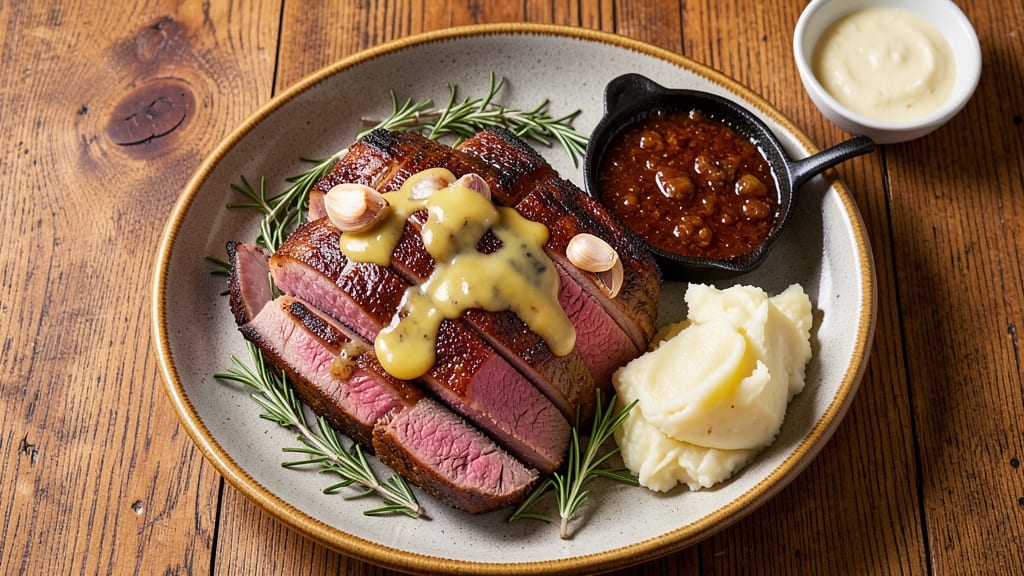
This amazing roast beef recipe transforms tough cuts into melt-in-your-mouth perfection with just a few simple steps. The secret? Slow-roasting at a precise temperature until the meat is so tender it practically falls apart—no tough chews here.
I’ve perfected this method over years of holiday dinners, and it’s become my go-to for impressing guests or treating myself to a restaurant-worthy meal at home.
What makes this recipe truly special is the buttery, stringy texture that comes from dry-brining the beef overnight and cooking it low and slow. No fancy equipment needed—just a roasting pan, a meat thermometer, and patience (the best kind).
The result? Juicy, flavorful beef that’s so rich and tender, every slice feels like a victory.
By the time you’re done, you’ll have a roast so impressive it’ll have everyone asking for seconds. The crust gets beautifully caramelized, the inside stays moist, and the au jus you’ll make from the drippings?
Pure magic. Serve it with roasted potatoes, crusty bread, or your favorite sides—this beef is the star of the show.
Ready to master this? We’ll walk through every step, from prepping the beef to resting it properly so it stays juicy. No guesswork, just foolproof results. Let’s get started!
Ingredients for amazing roast beef
Six ingredients transform tough beef into melt-in-your-mouth perfection—no shortcuts, just patience and precision.
| Ingredient | Amount | Notes |
|---|---|---|
| Chuck Roast 🥩 | 4 lb | Center-cut for even tenderness |
| Kosher Salt 🧂 | 2 tbsp | Diamond Crystal preferred |
| Freshly Ground Black Pepper 🌶️ | 1 ½ tbsp | Coarsely ground for texture |
| Unsalted Butter 🧈 | ½ cup | Cold, cubed for crust |
| Garlic Cloves 🧄 | 8 cloves | Smashed, skin-on for flavor |
| Fresh Rosemary 🌿 | ¼ cup | Chopped, stems removed |
| Fresh Thyme 🌿 | ¼ cup | Leaves only, stems discarded |
| Yellow Onion 🧅 | 1 whole | Quartered, skin-on for color |
| Carrots 🥕 | 4 whole | Whole, peeled, for aromatics |
| Beef Broth 💧 | 2 cups | Homemade or quality store-bought |
| Red Wine 🍷 | 1 cup | Bold, dry variety like Cabernet |
| Olive Oil 🫒 | 2 tbsp | Extra-virgin for richness |
| Cornstarch 🌾 | 1 tbsp | For thickening au jus |
The beef is everything here—chuck roast with good marbling is non-negotiable. Most butchers know exactly what to look for, but if you're at the grocery store, grab the largest center-cut piece you can find. Costco or Whole Foods usually have the best selection, but even your local supermarket will carry it. For the herbs, fresh is ideal, but if you're in a pinch, dried thyme and rosemary work at half the amount. The garlic? Skin-on cloves add extra flavor when smashed—they'll caramelize beautifully during roasting. Trust me, this is where the magic happens.
No beef broth? Homemade chicken broth with a splash of soy sauce works in a bind, though purists will notice the difference. Running short on red wine? Substitute beef broth with a splash of balsamic vinegar—it adds depth without the alcohol. The butter crust is critical, so don't skip it—cold, cubed butter creates the best caramelized crust. If you're worried about the butter melting too fast, pat it into the meat before roasting. And for the au jus? Cornstarch is your best friend—it thickens beautifully without altering the flavor. Just make sure to whisk it into cold water first to avoid lumps.
This roast tastes even better the next day, so plan ahead. Store leftovers in the fridge for up to 5 days, or freeze for 3 months for those lazy weeknights. The au jus freezes well too—just thaw it in the fridge and reheat gently. I always make extra because it's perfect for drizzling over mashed potatoes or crusty bread. And if you've got any leftover herbs or aromatics from the roasting pan, save them—they make a killer stock for next time.
Why You'll Love This Recipe
- Foolproof Prep: I swear by this method—just salt, pepper, and butter. No fancy marinades or hours of prep. Honestly, the chuck roast forgives a lot, so even if you’re not a seasoning pro, it’ll still turn out rich and tender.
- Butter-Garlic Magic: That simple combo of melted butter and smashed garlic cloves? It’s the secret weapon. The beef practically melts in your mouth, with a crispy crust that makes every bite worth it—no fancy rubs needed.
- Weeknight Crowd-Pleaser: Between us, this is my go-to for game day, family dinners, or when I’m feeding a houseful of people. One big roast feeds everyone, and the leftovers? Even better the next day in sandwiches or tacos.
- Budget Hero: A chuck roast stretches farther than you’d think—feed four for dinner, then four more for lunch. I’ll be real: it’s the kind of meal that makes grocery day feel like a win, without sacrificing flavor.
Step-by-step instructions for slow-roasted chuck roast
Here's how to transform a simple chuck roast into melt-in-your-mouth perfection with rich flavors and tender texture.
Season and Sear the Roast
Pat the 4 lb chuck roast completely dry with paper towels—this ensures maximum browning. In a small bowl, combine the 2 tbsp kosher salt and 1.5 tbsp freshly ground black pepper, then rub this mixture all over the roast, pressing firmly so the seasoning adheres. Let it sit at room temperature for 30 minutes while you prep the rest.
Heat 2 tbsp olive oil in a heavy Dutch oven over medium-high heat. Once shimmering, add the roast and sear on all sides until deeply browned—about 4-5 minutes per side. Don't rush this step; those caramelized crusts hold all the flavor. Remove the roast and set it aside on a plate.
Build the Aromatic Base
In the same Dutch oven, add the 0.5 cup cold unsalted butter and let it melt completely. Add the 8 smashed garlic cloves (skin-on), 0.25 cup chopped fresh rosemary, and 0.25 cup fresh thyme leaves, stirring for 1-2 minutes until fragrant. The garlic should just begin to color—don't let it burn.
Add the 1 whole yellow onion (quartered, skin-on) and 4 whole peeled carrots, tossing everything to coat in the butter and herbs. Cook for 3-4 minutes until the vegetables soften slightly and take on color. This step develops deep, complex flavors that'll infuse the roast as it cooks.
Slow-Roast to Perfect Tenderness
Return the roast to the Dutch oven, placing it on top of the vegetables. Pour in the 2 cups beef broth and 1 cup red wine, then bring everything to a gentle simmer. Cover tightly with a lid and transfer to a preheated 325°F oven. Here's the key: cook for 3-3.5 hours until the roast reaches an internal temperature of 200-203°F on a meat thermometer.
Real talk: your oven might run hot, so start checking at the 2.5-hour mark. The meat should be fork-tender with no resistance when pierced. If the liquid reduces too quickly, add ¼ cup water during cooking to keep everything moist. The slow cooking breaks down tough fibers, transforming the chuck roast into stringy, buttery perfection.
Rest and Create the Au Jus
Remove the roast and transfer it to a cutting board. Tent loosely with foil and let it rest for 30 minutes—this crucial step allows juices to redistribute. While it rests, strain the cooking liquid through a fine-mesh sieve into a saucepan. Discard the vegetables and herbs.
Place the saucepan over medium heat and bring to a gentle simmer. Whisk in the 1 tbsp cornstarch mixed with 2 tablespoons cold water until the sauce thickens to a glossy consistency, about 3-4 minutes. Taste and adjust seasoning with additional salt or pepper if needed. This rich au jus elevates the roast from good to amazing.
Slice and Serve
After resting, slice the roast against the grain into ¼-inch thick slices. The meat should pull apart easily with minimal resistance. Arrange the slices on a platter and ladle the warm au jus over the top. Serve immediately with crusty bread to soak up every last bit of that flavorful sauce.
Each bite should deliver melt-in-your-mouth texture with layers of herbaceous, wine-infused richness. The slow cooking ensures no chewiness, while the sear and au jus create a restaurant-quality dining experience at home. Leftovers? They're even better the next day—just reheat gently with a splash of broth to maintain moisture.
Pro Tips For Making Amazing Roast Beef
- SEAR IT FIRST: The chuck roast won’t brown worth a damn if you start slow—crank the oven to 450°F for 15 minutes before dropping it to 300°F. I used to skip this, and my beef came out pale and sad. High heat = flavor explosion.
- SALT LIKE YOU MEAN IT: Chuck roast needs serious salt—at least 1 tablespoon of kosher salt per pound, rubbed in hard before searing. I learned this the hard way when my first batch tasted bland. Don’t half-ass it; the crust and depth depend on it.
- DON’T CUT THE FAT: Leave that fat cap intact—it renders into the pan and bastes the meat as it roasts. I once trimmed it aggressively and ended up with dry beef. The fat is your friend; let it work its magic.
- GARLIC TIMES TWO: Double the garlic cloves (8–10 total) and smash them flat with the side of your knife before tossing them in. Whole cloves won’t infuse—this isn’t a garnish, it’s flavor insurance. I was skeptical until I tried it; now I never go back.
Perfect pairings for this dish
Au Jus Essentials
This rich, wine-infused au jus is the secret weapon that turns good roast beef into an unforgettable centerpiece. After removing the beef, strain the cooking liquid through a fine-mesh sieve into a saucepan, discarding the vegetables and herbs.
For that perfect silky texture, whisk 1 tbsp cornstarch mixed with 2 tbsp cold water into the simmering liquid until it thickens to a glossy consistency—about 3-4 minutes. Taste and adjust seasoning with kosher salt or freshly ground black pepper as needed. 🍷
Classic Side Pairings
Crusty baguette or sourdough bread is my go-to for soaking up every last drop of that flavorful au jus. The crispy crust contrasts perfectly with the tender beef, creating the ultimate bite.
For a heartier option, serve alongside creamy mashed potatoes or garlic roasted baby potatoes—both complement the beef's richness without overpowering it.
Vegetable Harmony
Bright, fresh roasted Brussels sprouts with a balsamic glaze add a tangy contrast to the rich beef. Toss 1 lb halved Brussels sprouts with 1 tbsp olive oil, 1 tbsp balsamic vinegar, and ½ tsp smoked paprika, then roast at 425°F for 20-25 minutes until caramelized.
Alternatively, sautéed green beans with garlic and lemon zest provide a light, crisp accompaniment that cuts through the richness.
Wine Pairings
A bold Cabernet Sauvignon or Malbec enhances the roast's depth, with their dark fruit and earthy notes complementing the beef's caramelized crust. For something lighter, a Pinot Noir offers bright acidity that cleanses the palate between bites. Avoid heavy, oaky whites—they'll clash with the beef's intensity. 🍷
Dessert Balance
End the meal with something light and refreshing to balance the richness. A citrus salad with blood orange segments, avocado, and mint provides a bright, zesty finish.
For a classic touch, chocolate-dipped strawberries with a sprinkle of flaky sea salt offer a perfect sweet-savory contrast that leaves everyone satisfied.
Make-Ahead Magic
This roast beef actually tastes better the next day, so plan ahead! Store leftovers in an airtight container in the fridge for up to 5 days. Reheat gently in the oven at 300°F with a splash of beef broth to maintain moisture.
The au jus also freezes beautifully—just thaw and reheat gently for a quick, restaurant-quality sauce. ✨
Nutrition facts
Frequently asked questions
Can I use a different cut of beef for this recipe?
While this recipe is designed for chuck roast (the ideal budget-friendly cut with great flavor and tenderness), you can adapt it for other cuts. A bottom round roast works well but will need slightly longer cooking time (4-4.5 hours at 325°F). For quicker results, try a ribeye roast, but reduce cooking time to 2-2.5 hours—just watch closely to avoid overcooking. Never use a tender cut like filet mignon; it will turn out dry.
Why is resting the beef so important?
Resting for 30 minutes after roasting is critical because it allows the juices to redistribute throughout the meat. When you cut into beef immediately, all that delicious moisture escapes, leaving you with dry slices. The 200-203°F internal temperature ensures the collagen has fully broken down, but those juices still need time to settle. Pro tip: Tent the beef loosely with foil to keep it warm while resting—this prevents chilling too quickly, which can cause the juices to congeal.
What if my au jus turns out too thin or too thick?
If your au jus is too thin, whisk in another ½ tbsp cornstarch mixed with 1 tbsp cold water and simmer for 2-3 minutes until thickened. For a thicker sauce, reduce it longer over medium-low heat until it reaches your desired consistency. Too thick? Thin it with 1-2 tbsp beef broth or water. Remember, the au jus should coat the back of a spoon but still be pourable—this creates that perfect balance of richness and drinkability.
Can I make this recipe in a slow cooker?
For a slow cooker version, sear the beef first as directed, then transfer it to your slow cooker with all the aromatics, broth, and wine. Cook on LOW for 8-10 hours or HIGH for 5-6 hours until fork-tender. The key difference is you'll need to thicken the au jus separately—simmer the cooking liquid in a saucepan with cornstarch as in the original recipe. The texture will be slightly more fall-apart than oven-roasted, but it's still incredibly flavorful and convenient.
How do I store and reheat leftovers?
Store leftovers in an airtight container in the fridge for up to 5 days. For reheating, the best method is to warm slices in a 350°F oven for 10-15 minutes with a splash of beef broth to maintain moisture. Microwave reheating works in a pinch, but it can make the beef slightly rubbery—always cover with a damp paper towel and heat in 30-second intervals, stirring between each. The au jus reheats beautifully on the stove over low heat—just warm it gently and adjust seasoning if needed.