
Side Dishes
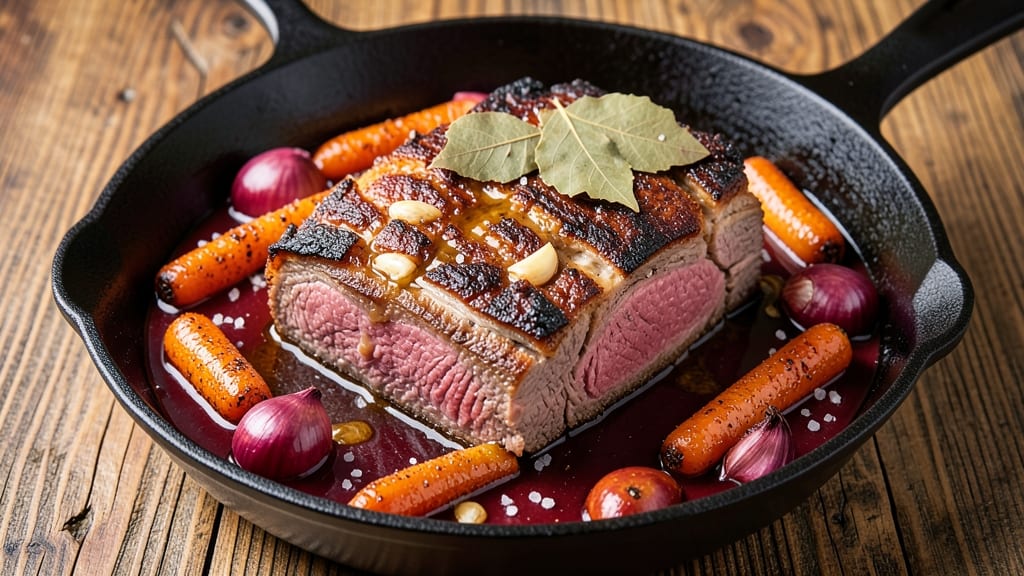
This amazing corned beef recipe transforms tough brisket into melt-in-your-mouth perfection with just a few hours of slow braising. The secret? A rich brine that infuses the meat with smoky, savory depth while keeping it fork-tender and juicy.
I’ve perfected this Irish-style classic over years of holiday feasts—no dry, stringy results here. The magic happens in the slow cooker or oven, where the meat simmers until it practically falls apart.
Pair it with classic sides like buttery potatoes and tangy cabbage for a meal that feels like a warm hug. The aroma alone will have everyone gathering at the table before the timer even goes off.
By the end, you’ll have buttery, fork-tender corned beef with a glossy crust and a flavor so rich, it’ll become your new go-to for St. Patrick’s Day or Sunday dinners. The best part? Leftovers taste even better the next day—if they last that long. Ready to master this crowd-pleaser?
Let’s get started with the foolproof steps that guarantee restaurant-quality results at home.
Ingredients for amazing corned beef
Six ingredients transform tough brisket into melt-in-your-mouth perfection with slow braising.
| Ingredient | Amount | Notes |
|---|---|---|
| Beef Brisket 🥩 | 4 lb | Flat-cut, 1-inch thick |
| Yellow Onions 🧅 | 2 whole | Large, peeled and halved |
| Carrots 🥕 | 4 whole | Medium, peeled and halved |
| Bay Leaves 🍃 | 4 whole | Dried, for infusion |
| Garlic Cloves 🧄 | 6 cloves | Whole, peeled |
| Corned Beef Spice Blend 🌶️ | 4 tbsp | Store-bought or homemade |
| Beef Broth 💧 | 4 cups | Low-sodium preferred |
| Apple Cider Vinegar 🍎 | ½ cup | For tangy depth |
| Brown Sugar 🍯 | ½ cup | Light or dark |
| Black Peppercorns 🌶️ | 1 tbsp | Whole, cracked |
| Mustard Seeds 🌿 | 1 tbsp | Yellow or brown |
| Salt 🧂 | 2 tsp | Kosher or sea salt |
| Olive Oil 🫒 | 2 tbsp | For searing |
| Fresh Parsley 🌿 | ¼ cup | Chopped, for garnish |
The brisket is the star here—look for well-marbled cuts at your butcher or grocery store's meat counter. Costco and Whole Foods often have pre-cut briskets ready to go, but if you're buying whole, ask for the flat cut (it's more tender). The thickness matters too—1-inch thick ensures even cooking. For the corned beef spice blend, McCormick or Badia are reliable brands, but if you're feeling adventurous, mix your own with paprika, cloves, and mustard powder. The onions and carrots should be firm and fresh—no rubbery veggies here. And don't skip the bay leaves; they add that classic Irish depth.
No corned beef spice blend? Mix 2 tbsp paprika, 1 tbsp mustard powder, 1 tsp cloves, 1 tsp allspice, and 1 tsp black pepper. Want to cut sugar? Swap half the brown sugar for maple syrup—it adds moisture too. The beef broth can be homemade (if you've got it) or a quality low-sodium store-bought version. For the vinegar, apple cider vinegar is ideal, but white vinegar works in a pinch. The mustard seeds? Toast them lightly in a dry pan for 30 seconds before adding to the pot—they'll release their flavor better. And if you're short on time, baby carrots and pre-peeled onions save prep work.
This dish tastes even better the next day—plan ahead. Store leftovers in the fridge for 4-5 days or freeze for up to 3 months. The meat will keep its moisture beautifully. For serving, I like to slice it thin against the grain and arrange on a platter with the braising liquid reduced slightly. Garnish with fresh parsley right before serving—it adds that pop of color. And pro tip: save that leftover braising liquid for potatoes or mashed veggies—it's liquid gold.
Why You'll Love This Recipe
- One-Pot Magic: Honestly, this recipe lives in a single pot—no chopping boards, no extra pans, just the brisket, onions, and carrots all simmering together. The onions caramelize right in the broth, so you get that sweet, jammy flavor without extra effort.
- Deep, Rich Payoff: That brisket? So tender it falls apart with a fork, and the bay leaves and garlic cloves infuse the broth with layers of warmth. Between us, the first bite is the kind of satisfaction that makes you pause mid-chew just to savor it.
- Leftovers for Days: I swear, this recipe makes more than you’ll eat in one sitting—perfect for meal prep or feeding a crowd. The flavors only get better the next day, and reheating it? Just a splash of water, a quick simmer. My go-to for lazy Sundays.
- Budget-Friendly Feast: A whole brisket feeds six for less than takeout, and the veggies stretch the meal without breaking the bank. Plus, the carrots and onions add natural sweetness, so you’re not relying on fancy seasonings. Solid, reliable, and my secret weapon for stretching a paycheck.
Step-by-step instructions for slow-braised corned beef
Transform tough brisket into melt-in-your-mouth perfection with this foolproof slow-braising method.
Sear the Brisket for Deep Flavor
Heat a large Dutch oven over medium-high heat and add the 2 tablespoons olive oil. Once shimmering, place the 4 lb beef brisket fat-side down and sear undisturbed for 5-6 minutes until the fat renders and a deep golden crust forms. Flip and sear the other side for another 3-4 minutes.
Here's the thing—this initial sear locks in juices and creates that rich, caramelized foundation for your braise. I like to press down gently on the brisket during the first minute to prevent curling. Once browned, remove the brisket and set it aside on a plate.
Build the Aromatic Base
In the same Dutch oven, add the 2 whole yellow onions and 4 whole carrots, cut-side down. Cook for 8-10 minutes until they begin to soften and caramelize slightly. Add the 6 peeled garlic cloves, 1 tablespoon cracked black peppercorns, and 1 tablespoon mustard seeds, stirring for 30 seconds until fragrant.
Sprinkle the 4 tablespoons corned beef spice blend evenly over the vegetables. The spices will toast slightly, releasing their essential oils that infuse into the braising liquid. This is where the magic happens—don't skip this step, as it builds complex flavor layers.
Create the Braising Liquid
Pour in the 4 cups beef broth, 0.5 cup apple cider vinegar, and 0.5 cup brown sugar. Stir well to combine, scraping up any browned bits from the bottom of the pot. Add the 4 bay leaves and 2 teaspoons salt, then return the brisket to the Dutch oven, fat-side up.
The vinegar adds tangy depth while the brown sugar helps create a glossy, slightly sweet glaze on the meat. Bring the liquid to a gentle simmer—you should see small bubbles breaking the surface but no vigorous boiling. This controlled simmer prevents the meat from toughening.
Slow-Braise to Fork-Tender Perfection
Cover the Dutch oven and transfer to a preheated 300°F oven. Braise for 3 hours, then carefully flip the brisket and add an additional 1 cup of beef broth if the liquid level has dropped below halfway up the meat. Continue cooking for another 2-3 hours until the brisket is fork-tender and pulls apart easily.
Real talk: Your oven might run hot, so start checking at the 20-minute mark after the initial 3 hours. The meat is done when it reaches 205°F internally and a knife slides in like butter. The liquid should have reduced to a rich, syrupy consistency that clings beautifully to the meat.
Rest and Serve with Pan Sauce
Remove the brisket from the pot and transfer it to a cutting board. Tent loosely with foil and let it rest for 15-20 minutes. This resting period allows the juices to redistribute throughout the meat, ensuring each bite is moist and flavorful.
While the brisket rests, skim any excess fat from the braising liquid and return it to the stove over medium heat. Simmer uncovered for 5-7 minutes to thicken slightly. Discard the bay leaves and stir in the 0.25 cup chopped fresh parsley just before serving. Slice the brisket against the grain and serve with the pan sauce spooned over the top.
Pro Tips For Making Amazing Corned Beef
- Trim the Fat First: Cut off that thick fat cap before it turns into greasy sludge in your pot. I learned this the hard way—skipping it means you’ll spend half the cook time scraping congealed fat off the brisket, and it still won’t look pretty.
- Layer Onions Like a Brick: Stack whole onions between the brisket and carrots, not just around it. They’ll caramelize faster and infuse the meat more deeply—no need to chop them unless you’re impatient (and even then, halved lengthwise works).
- Don’t Rush the Low Heat: After the initial boil, drop the heat to a gentle simmer—barely bubbles, more like a lazy sigh. I used to crank it up to save time, but the brisket ended up tough and the broth turned murky. Low and slow wins every time.
- Crush Garlic, Don’t Slice: Smash those cloves flat with the side of your knife before tossing them in. Whole cloves just sit there like decorative rocks; crushed garlic melts into the liquid and adds real depth. (Yes, even if you’re making this for a crowd.)
Regional styles of this amazing corned beef
Irish-Style Masterpiece
The classic Irish corned beef you know and love—tender, spiced with mustard and cloves, and slow-cooked until it practically melts. This version stays true to tradition with apple cider vinegar and bay leaves for that signature tangy depth.
Serve it with boxty potatoes (Irish potato pancakes) and braised cabbage for an authentic St. Patrick’s Day spread. The secret? A 3-hour slow braise at 300°F to break down the tough fibers. 🍀
Jewish Delicatessen Twist
For a richer, more robust flavor, try the Jewish deli approach: swap the apple cider vinegar for beet juice (about ½ cup) and add 2 tbsp horseradish to the spice blend. This version is sweeter, with a hint of earthy bitterness from the beets.
Pair it with mustard seeds on the side and pickled vegetables for that iconic deli experience. The key difference? A slightly longer cook time—4 hours total—to achieve that signature deli-style tenderness.
Caribbean Jerk Corned Beef
Bring bold flavors to your table with a Caribbean jerk twist. Add 2 tbsp jerk seasoning (like McCormick or homemade with allspice, thyme, and scotch bonnet) to the spice blend, and swap the brown sugar for 1 tbsp honey.
Simmer with 1 orange peel strip and 1 cinnamon stick for warmth. Serve with festival bread and mango salsa for a fusion dish that’s as vibrant as it is flavorful. The jerk spices cut through the richness beautifully. 🌶️
Slow Cooker Shortcut
No oven? No problem. Use a 6-quart slow cooker for hands-off perfection. Sear the brisket as directed, then transfer everything (including the braising liquid) to the slow cooker. Cook on low for 8 hours or high for 5 hours, adding ½ cup water if the liquid gets too low.
The slow cooker keeps the meat moist and tender without monitoring. Garnish with scallions and serve with garlic mashed potatoes for a cozy weeknight meal. This method is foolproof for busy days. ⏰
Smoked Corned Beef
Take your corned beef to the next level with a smoky flavor infusion. After searing, transfer the brisket to a smoker set to 225°F and smoke it for 2 hours using hickory or applewood chips. Then finish braising in the oven as directed.
The result? A deep, woodsy aroma that pairs perfectly with barbecue sauce and cornbread. For extra flavor, add 1 tbsp smoked paprika to the spice blend. This method works beautifully for outdoor cooking enthusiasts. 🔥
Nutrition facts
Frequently asked questions
Can I use a different cut of beef instead of brisket?
Brisket is ideal for its marbling and size, but you can try chuck roast or short ribs in a pinch. These cuts will need 1-2 extra hours of cooking to reach tenderness. Avoid lean cuts like sirloin—they won't hold up to the long braising time. If substituting, increase cooking time by 30-60 minutes and check for doneness at 205°F.
Why does my corned beef turn out tough?
Overcooking or skipping the sear are the most common culprits. Always sear the meat first to lock in juices, and never boil vigorously—keep it at a gentle simmer (200°F). For extra tenderness, add 1 cup beef broth halfway through cooking if the liquid level drops. The meat should pull apart easily with a fork when done.
How do I make this in a pressure cooker?
Sear the brisket as directed, then add all ingredients to your pressure cooker. Cook on high pressure for 60 minutes (no need to flip). Quick-release the pressure, then let the meat rest 15 minutes before slicing. The pressure cooker cuts time by 75% while keeping the meat incredibly tender. Just be sure not to overfill the pot—leave 2 inches of headspace.
What's the best way to reheat leftovers?
Slice the corned beef and reheat in a skillet with 2 tablespoons beef broth over medium-low heat for 5-7 minutes. For oven reheating, cover with foil and bake at 300°F for 20-25 minutes. Never microwave—it makes the meat rubbery. The braising liquid also reheats beautifully for potatoes or gravy. Leftovers keep well for 4-5 days in the fridge.
Can I make this without vinegar?
Yes, but you'll lose some tangy depth. Replace the ½ cup vinegar with ½ cup lemon juice or ¼ cup Worcestershire sauce for umami. For a sweeter profile, add 1 extra tablespoon brown sugar. The vinegar helps tenderize the meat and balance flavors—if omitting, increase other spices slightly (like 1 extra teaspoon mustard seeds) to compensate.