
Main Courses
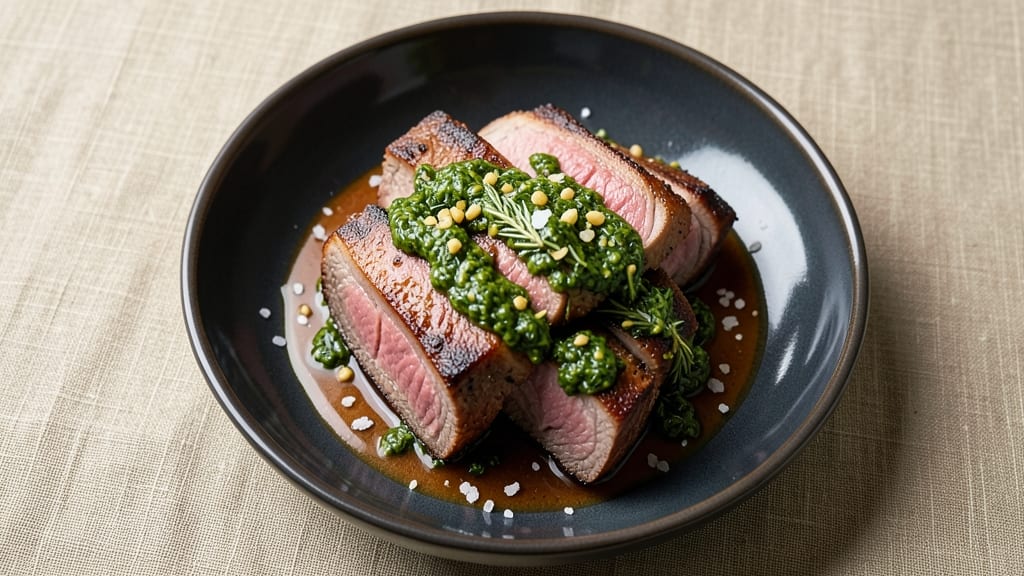
Alex Guarnaschelli’s beef tenderloin recipe delivers restaurant-quality tenderness with a crisp herb crust and rich pan jus that elevates any dinner. This method transforms a simple cut into a showstopper, combining searing precision with her signature basting technique.
The result? Juicy, perfectly cooked beef with a golden crust and sauce so flavorful it disappears in seconds.
The secret lies in the preparation: a dry-brine for maximum tenderness, a herb crust that locks in moisture, and a high-heat sear to create that coveted caramelized exterior. Unlike basic roasts, this recipe builds layers of flavor through careful timing and basting—no shortcuts, just Guarnaschelli’s refined approach.
Even beginners can master the technique with clear, step-by-step guidance.
What sets this apart is the pan jus, reduced from the beef’s natural juices and enhanced with red wine for depth. The sauce clings to every bite, turning a simple roast into a foolproof centerpiece for holidays or special occasions.
Pair it with roasted vegetables or mashed potatoes for a complete, elegant meal.
Ready in about 90 minutes (including resting time), this recipe delivers a dish that’s both impressive and approachable. The key is patience—letting the beef rest ensures it stays juicy, while the herb crust adds texture and aroma that’ll have guests asking for seconds. Let’s get cooking.
Ingredients for alex guarnaschelli beef tenderloin
Six ingredients transform a simple cut into Guarnaschelli’s restaurant-quality beef tenderloin masterpiece.
| Ingredient | Amount | Notes |
|---|---|---|
| Beef Tenderloin 🥩 | 4 lb | Center-cut, trimmed of silver skin |
| Kosher Salt 🧂 | 1 ½ tbsp | Diamond Crystal preferred for precise measurement |
| Fresh Rosemary 🌿 | ½ cup | Finely chopped, stems removed |
| Fresh Thyme 🌿 | ¼ cup | Leaves only, finely chopped |
| Fresh Garlic 🧄 | 8 cloves | Minced into paste for even distribution |
| Extra-Virgin Olive Oil 🫒 | ½ cup | High-quality, fruity variety |
| Unsalted Butter 🧈 | ½ cup | Cold, cubed for crust |
| Dry Red Wine 🍷 | 1 cup | Bold Cabernet Sauvignon preferred |
| Beef Stock 🥄 | 1 cup | Homemade or high-quality store-bought |
| All-Purpose Flour 🌾 | 1 tbsp | For sauce thickening |
| Fresh Parsley 🌿 | ¼ cup | Chopped, for garnish |
| Black Peppercorns 🌶️ | 1 tsp | Freshly cracked |
The beef tenderloin is the star, and center-cut is non-negotiable—avoid any piece with silver skin or excessive marbling. Whole Foods or high-end butchers carry the best cuts; ask for a 4-pound tenderloin trimmed to 3.5 pounds after skin removal. The herb crust relies on freshness: rosemary and thyme from the grocery store’s refrigerated section (not dried) will yield vibrant flavor. For the garlic, peel and smash cloves with the flat side of a knife before mincing to release more aroma. The olive oil should be extra-virgin with a peppery finish—none of that cheap cooking oil. If your butcher doesn’t have the exact cut, ask for the most tender portion of the tenderloin and trim it yourself.
No fresh rosemary? Substitute with 1 tbsp dried rosemary, but reduce to half the amount. Short on thyme? Oregano works in a pinch, though it’ll alter the herb profile slightly. Running low on red wine? Dry sherry or beef stock with 1 tsp balsamic vinegar mimics the depth. For the butter, European-style unsalted (like Plugrá) has higher fat content, which is ideal for the crust. If you can’t find it, regular unsalted butter works fine. The flour is purely for sauce thickening—all-purpose or bread flour both work, but don’t skip it entirely or the jus will be too thin. For the parsley, flat-leaf holds up better to heat than curly, but either will garnish beautifully.
The beef can be prepped 24 hours ahead—dry-brine it in the fridge, then cover loosely with plastic wrap. The herb crust components (butter, garlic, herbs) should be mixed and chilled up to 12 hours before cooking for maximum flavor development. The pan jus keeps 3-4 days refrigerated in an airtight container; it freezes beautifully for up to 3 months. For leftovers, reheat gently in the sauce to maintain moisture—microwaving dries out the beef. Store any unused beef stock in the freezer for up to 6 months in ice cube trays.
Why You'll Love This Recipe
- Minimal Prep, Big Payoff: I swear by this recipe because it’s the kind of dish where the hardest part is deciding when to eat it—not how to make it. You’re basically seasoning a slab of tenderloin with salt, garlic, and herbs, then letting the oven do the work. That’s it. No brining, no fancy basting, no stress.
- Herb-Crusted Magic: The rosemary and thyme form this fragrant crust that sticks to the beef like a dream, while the garlic infuses every bite with a warm, aromatic punch. It’s not just good—it’s ridiculously good, the kind of flavor that makes you want to close your eyes and savor it.
- Weeknight to Holiday: Between us, this is my secret weapon for when I need something impressive but don’t want to slave over it. Serve it sliced for a fancy dinner, or keep it whole for a showstopping centerpiece at a gathering. Same recipe, different occasions—no excuses.
- Leftovers That Don’t Suck: Honestly, I almost always make extra because the beef stays tender and delicious for days. Slice it for sandwiches, toss it into salads, or reheat it with a little pan sauce—it’s versatile enough to handle whatever you throw at it. No sad, dry leftovers here.
Step-by-step instructions for herb-crusted beef tenderloin with pan jus
Master this technique and you'll achieve restaurant-quality beef with an aromatic herb crust and rich pan sauce.
Prepare the Herb Crust Mixture
In a small bowl, combine the 0.5 cup fresh rosemary, 0.25 cup fresh thyme, 8 cloves fresh garlic (minced into a paste), 1.5 tbsp kosher salt, and 1 tsp freshly cracked black peppercorns. Add the 0.5 cup extra-virgin olive oil and mix until you achieve a thick, paste-like consistency. The herbs should be finely distributed throughout the oil.
This mixture will form the aromatic crust that seals in moisture while creating that signature herbaceous flavor. I like to press the mixture firmly against the meat to ensure maximum adhesion. Let it sit at room temperature while you prepare the beef.
Sear the Beef Tenderloin
Preheat your oven to 425°F. Pat the 4 lb beef tenderloin dry with paper towels—this is crucial for achieving a good sear. Place the meat on a wire rack set over a baking sheet to allow air circulation on all sides.
Heat a large oven-safe skillet over medium-high heat until very hot. Add the 0.5 cup unsalted butter (cold and cubed) and let it melt, creating a foamy layer. Rub the herb mixture all over the beef, pressing firmly so it adheres. Sear the beef for 4-5 minutes per side until deeply browned and the crust is set.
Roast to Perfect Medium-Rare
Transfer the seared beef to the preheated oven and roast for 20-25 minutes for medium-rare (internal temperature 125-130°F). The key is to use a meat thermometer—this ensures perfect doneness every time. Remove the beef when the internal temperature reaches 125°F and let it rest for 15 minutes before slicing.
During this time, the residual heat will carry the temperature up to 130°F, giving you that ideal medium-rare finish. Tent the beef loosely with foil to prevent drying while it rests. This resting period is essential for redistributing juices throughout the meat.
Create the Pan Jus
While the beef rests, place the searing pan over medium heat. Add the 1 cup dry red wine and scrape up any browned bits from the bottom with a wooden spoon. Let it simmer for 3-4 minutes until reduced by half. Add the 1 cup beef stock and 1 tbsp all-purpose flour, stirring constantly to prevent lumps.
Simmer for another 5-6 minutes until the sauce thickens to a glossy consistency. If it thickens too quickly, add a splash of water or stock. Season with additional salt and pepper if needed. The sauce should coat the back of a spoon and have a rich, velvety texture.
Slice and Serve with Garnish
Slice the beef into 1-inch thick medallions against the grain. Arrange the slices on a warm platter and spoon the pan jus generously over the top. Garnish with the 0.25 cup fresh parsley for a pop of color and freshness.
Serve immediately with your choice of sides—roasted vegetables, mashed potatoes, or a simple green salad. Each slice should be beautifully seared on the outside with a tender, juicy interior, and the pan jus should enhance every bite with its rich, herby depth.
Pro Tips For Making Alex Guarnaschelli Beef Tenderloin
- SEAR IN TWO BATCHES: Guarnaschelli’s recipe relies on a deep sear, but overcrowding the pan drops the temperature and ruins that crust. Split your tenderloin into two pieces if it’s large—cook one side to golden perfection, then flip and repeat. I learned this the hard way when my first attempt turned out pale and sad.
- SALT THE HERB BUTTER: That herb butter isn’t just for flavor—it’s for seasoning. Skip the extra salt on the meat if your butter is unsalted (or add a pinch if it is). The rosemary and thyme need room to shine, and you’ll end up with a richer crust. Trust me, your knife will thank you when you don’t have to chase dry meat with extra salt later.
- DON’T SKIP THE REST: The moment you pull that tenderloin from the oven, tent it with foil and let it sit for at least 15 minutes. I know, you’re hungry. But cutting into it too soon means juices flooding out instead of staying where they belong. Your guests will notice the difference—your knife won’t.
- GARLIC SLICE THIN: Guarnaschelli’s recipe calls for garlic, but thick cloves burn before they infuse. Smash them flat with the side of your knife first, then slice them paper-thin. They’ll melt into the butter instead of turning bitter. (Yes, even if you’re impatient like me.)
Regional styles of alex guarnaschelli beef tenderloin
New York Diner Style
Alex Guarnaschelli’s approach to beef tenderloin actually has roots in classic New York City diner traditions, where perfectly cooked steaks were the star of the show.
In this version, you’d serve the tenderloin sliced into thick medallions, topped with a homemade red wine reduction (just like her pan jus) and a sprinkle of crispy fried onions for texture. The key difference?
A touch of Worcestershire sauce in the jus—just 1 teaspoon—adds that deep umami flavor diners love. 🍽️
Texas BBQ Twist
For a Texas-inspired take, skip the herb crust and instead create a smoky dry rub using 2 tablespoons smoked paprika, 1 tablespoon brown sugar, and 1 teaspoon cayenne. Apply this generously to the beef before searing, then roast as directed.
Serve with a side of smoked brisket-style jus—simmer the pan drippings with ½ cup apple cider vinegar and 1 tablespoon chili powder for a bold, tangy sauce. Top with pickled red onions for a Southern-inspired finish.
French Bistro Elegance
To channel French bistro sophistication, transform the herb crust into a Dijon mustard and herb butter by mixing 2 tablespoons Dijon mustard into the butter-herb paste.
Sear the beef as usual, then finish with a béchamel sauce—melt 2 tablespoons butter, whisk in 2 tablespoons flour, then slowly add 1 cup warm milk and ½ cup grated Gruyère cheese for a creamy, cheesy glaze.
Garnish with chopped chives and a dusting of nutmeg for a Parisian touch. 🥖
Italian Herb Crust
For an Italian-inspired version, swap the rosemary and thyme for ½ cup fresh oregano, ¼ cup fresh basil, and 4 cloves garlic. Add 1 teaspoon red pepper flakes to the herb mixture for a subtle heat.
Serve with a sun-dried tomato and white wine reduction—simmer the pan drippings with ½ cup dry white wine and 2 tablespoons chopped sun-dried tomatoes for a bright, herby sauce. Pair with creamy polenta or roasted eggplant for a full Italian feast.
Gourmet Holiday Version
For holiday gatherings, elevate the dish with a truffle-infused herb crust—add 1 tablespoon truffle oil to the herb mixture and top with shaved black truffle before serving.
For the jus, deglaze the pan with ½ cup brandy instead of red wine, then add 1 cup beef stock and 1 teaspoon soy sauce for depth. Garnish with edible gold leaf and microgreens for a luxurious presentation.
This version is perfect for Thanksgiving or Christmas dinners when you want to impress. ✨
Nutrition facts
Frequently asked questions
Why does Alex Guarnaschelli's recipe call for resting the beef?
Resting the beef for 15 minutes after roasting is critical—it allows the juices to redistribute throughout the meat, preventing them from pooling on the cutting board. Skipping this step results in dry slices. The internal temperature will rise 5°F during resting, so pull the beef out at 125°F for medium-rare.
Can I substitute the red wine in the pan jus?
Yes! For a non-alcoholic version, use 1 cup beef stock with 1 teaspoon balsamic vinegar or 1 tablespoon soy sauce for depth. If you prefer wine, Cabernet Sauvignon works best, but Pinot Noir or Merlot also pair well. Never skip deglazing—the browned bits create flavor!
What's the best way to slice the beef tenderloin?
Slice against the grain (perpendicular to the muscle fibers) into 1-inch thick medallions for maximum tenderness. Use a sharp chef's knife and cut at a 45-degree angle for elegant presentation. Never force the knife—let the blade do the work to avoid tearing the meat.
How do I fix overcooked beef tenderloin?
If your beef is overdone, there's no perfect fix, but you can salvage it by slicing thinly and serving with a rich sauce (like the pan jus) to add moisture. For future attempts, use a meat thermometer—never rely on time alone. Pull the beef out 5°F below your target temp and let it rest.
What sides pair best with this dish?
Guarnaschelli's herb crust and red wine jus shine with classic sides like creamy mashed potatoes, roasted garlic Brussels sprouts, or wild mushroom risotto. For a lighter option, try a spring pea salad with mint. The key is balancing rich flavors with contrasting textures.