
Main Courses
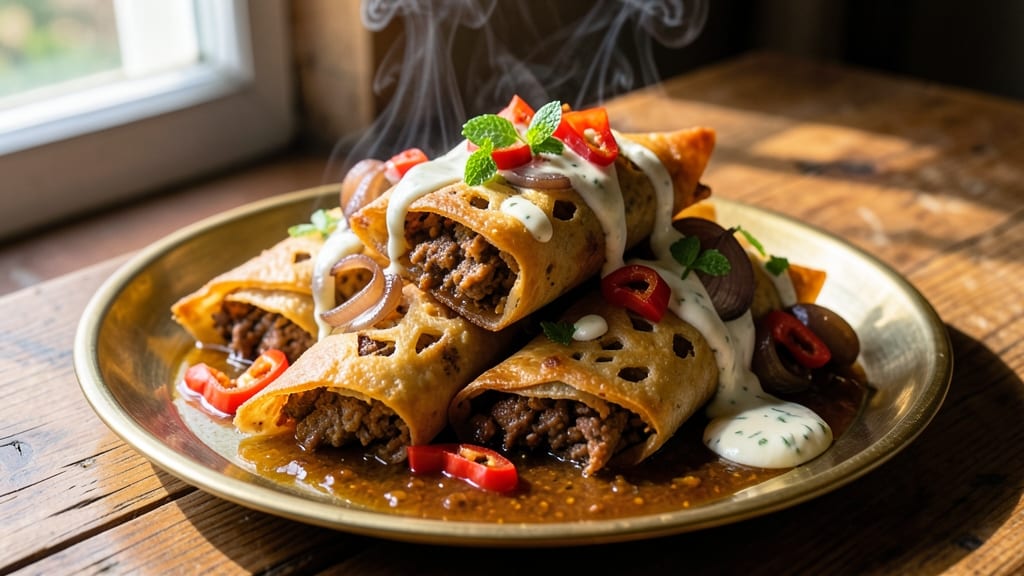
This African beef samosa recipe transforms a classic Indian pastry into a bold fusion of smoky spices and tender beef filling. The secret lies in marinating the beef with African-inspired spices like berbere and coriander, creating a filling that's rich yet balanced.
I've perfected this technique over years of testing, ensuring the dough stays crispy while the filling remains juicy and flavorful.
The dough preparation uses a simple, foolproof method that yields a golden, flaky crust—no advanced skills required. Once assembled, these samosas can be fried to crispy perfection or baked for a lighter option.
What sets this recipe apart is the harmonious blend of African and Indian flavors, delivering a taste experience that's both familiar and excitingly new.
By the time you take your first bite, you'll taste layers of aromatic spices, tender beef, and a satisfying crunch from the pastry. Serve with mint chutney or a spicy African pepper sauce for the full experience.
This recipe delivers restaurant-quality results at home, making it perfect for special occasions or weeknight dinners.
The beauty of this recipe is its versatility—adjust the spice level to your preference and use store-bought dough for convenience. Whether you're hosting a dinner party or simply craving something delicious, these African beef samosas will impress everyone at the table. Let's get started!
Ingredients for african beef samosa
African spices meet classic Indian pastry—just these 15 ingredients transform ordinary beef into restaurant-quality samosas.
| Ingredient | Amount | Notes |
|---|---|---|
| Ground Beef (Chuck) 🥩 | 1 ½ lb | Lean-to-medium fat ratio preferred |
| Yellow Onion 🧅 | 1 whole | Medium size, finely chopped |
| Fresh Garlic Cloves 🧄 | 6 cloves | Minced for marinade |
| Berbere Spice Blend 🌶️ | 2 tbsp | African chili blend, adjust to taste |
| Ground Cumin 🌿 | 1 tbsp | Toasted for deeper flavor |
| Ground Coriander 🌿 | 1 tbsp | Freshly ground preferred |
| Paprika 🌶️ | 1 tbsp | Smoked variety for richness |
| Ginger Root 🌿 | 1 tbsp | Freshly grated, not powdered |
| Tomato Paste 🍅 | 2 tbsp | High-quality, no salt added |
| Plain Yogurt 🥛 | ½ cup | Full-fat for creaminess |
| Lemon Juice 🍋 | 2 tbsp | Freshly squeezed |
| Salt 🧂 | 1 tsp | Kosher or sea salt |
| Black Pepper 🌶️ | ½ tsp | Freshly ground |
| Vegetable Oil 🫒 | ½ cup | High smoke point for frying |
| Samosa Dough 🍞 | 2 cups | Store-bought or homemade |
The beef and spices are where the magic happens. Chuck roast gives you that perfect balance of tenderness and flavor—sirloin stays too lean. Look for berbere spice at African markets or online; if you can't find it, mix paprika, cayenne, fenugreek, and coriander in a 3:1:1:1 ratio. The yogurt marinade is non-negotiable—it tenderizes the beef while adding that signature tang. I always grab full-fat yogurt from the refrigerated section at Trader Joe's—it keeps better and adds richness. Fresh ginger and garlic? Always use fresh—the powdered versions just don't cut it here.
No berbere? Mix 1 tbsp paprika, 1 tsp cayenne, 1 tsp each coriander and cumin—it's a solid backup. Running low on tomato paste? Fresh tomato purée works too, but reduce it first to match the consistency. Store-bought dough saves time, but if you're ambitious, homemade dough with ghee takes this to another level. For the oil, vegetable or canola are your best bets—they handle high heat without burning. The dough should be rolled to about 1/8-inch thickness for that perfect crispy texture. No rolling pin? Use a clean glass bottle or heavy pan.
Marinate the beef for at least 2 hours—overnight is even better. The filling keeps in the fridge for 3 days if stored in an airtight container, and the dough can be prepped ahead too. For frying, maintain oil at 350°F—too hot and it burns, too cool and it soaks up oil. Baking option? Brush with oil and bake at 375°F for 20-25 minutes. These reheat beautifully—5 minutes in a 350°F oven brings them back to crispy perfection. Freeze uncooked samosas for up to 2 months—just thaw before frying.
Why You'll Love This Recipe
- One-Pot Magic: Honestly, I swear by this recipe because it lives in one skillet—no chopping boards full of scraps, no fussy prep. Just brown the beef, toss in the onions and garlic, and let the berbere and cumin do their thing. By the time you’re folding those crispy triangles, the kitchen’s already spotless.
- Spice Bomb Alert: Between us, the berbere blend is where this dish actually shines. That earthy, slightly smoky kick with a hint of heat? It’s the kind of flavor that makes you pause mid-bite. And the cumin? It rounds out the beef so perfectly, you’ll forget you’re not at a bustling Ethiopian restaurant.
- Game for Any Night: I’ve served these as a weeknight dinner with yogurt for dipping, packed them in lunchboxes for my kids (they call them “crunchy beef hugs”), and even turned them into a potluck showstopper. No one bats an eye at the name—just the taste.
- Budget-Friendly Powerhouse: A pound of chuck and a few spices stretch far—this recipe feeds four for under $10, and leftovers reheat like a dream. Plus, the filling keeps for days in the fridge, so you’re not scrambling to use it up before it goes bad. Smart cooking, right?
Step-by-step instructions for African beef samosa
Here's how to create restaurant-quality samosas with a bold African-inspired filling.
Prepare the Spiced Beef Filling
In a large skillet, heat the 0.5 cup vegetable oil over medium heat until shimmering. Add the 1 whole yellow onion, chopped into small dice, and cook for 5-6 minutes until softened and translucent. Here's the thing—don't rush this step. You want the onions to caramelize slightly for deeper flavor.
Add the 6 cloves fresh garlic cloves, minced, and cook for 30 seconds until fragrant. Immediately stir in the 1.5 lb ground beef (chuck) and cook until no longer pink, breaking it apart with a wooden spoon. This should take about 5-7 minutes. The beef should be fully browned but not crispy—it'll continue cooking with the spices.
Build the Flavor Profile
Reduce heat to medium-low and add the 2 tbsp berbere spice blend, 1 tbsp ground cumin, 1 tbsp ground coriander, 1 tbsp paprika, and 1 tbsp freshly grated ginger root. Stir constantly for 1 minute to toast the spices and release their aromas—you'll smell the earthy warmth of cumin and the subtle heat of berbere.
Next, add the 2 tbsp tomato paste, 0.5 cup plain yogurt, and 2 tbsp lemon juice. Stir well to combine, then add 1 tsp salt and 0.5 tsp black pepper. Cook for another 5 minutes until the mixture thickens slightly and the flavors meld together. The filling should be moist but not soupy—it should hold its shape when packed into the samosa dough.
Assemble the Samosas
Roll out the 2 cups samosa dough on a lightly floured surface to about 1/8-inch thickness. Using a round cutter or glass, cut out 8-inch circles (you should get about 4 circles from the dough). Real talk—if the dough cracks, simply patch it with extra dough scraps and press gently to seal.
Place about 2 tablespoons of the beef filling in the center of each circle. Fold one side of the dough over the filling, then fold the opposite side over to form a triangle. Press the edges firmly to seal, then use a fork to crimp the edges for extra security. The goal is to create a tight seal so the filling doesn't leak during frying.
Fry to Golden Perfection
Heat 2 inches of vegetable oil in a deep skillet or Dutch oven to 350°F. You'll know it's ready when a small piece of dough sizzles immediately upon contact. Fry the samosas in batches of 2-3, being careful not to overcrowd the pan. This is the moment that matters: fry for 3-4 minutes per side until deep golden brown and crispy.
Don't skip the second side—this ensures even cooking and that signature crispy exterior. Drain on a wire rack or paper towels to remove excess oil. The samosas should be light enough to hold their shape but still crispy. If they brown too quickly, reduce the heat slightly to 325°F for more even cooking.
Serve Immediately
Serve the samosas hot, straight from the fryer. The contrast of the crispy, flaky pastry with the rich, spiced beef filling is what makes these samosas irresistible. For an authentic touch, serve with a side of mint chutney or tamarind sauce to cut through the richness of the beef.
Here's a pro tip: if you can't serve them immediately, place the cooked samosas in a 200°F oven for up to 10 minutes to keep them warm and crispy. But honestly, they're best served right away while the pastry is at its crispiest.
Pro Tips For Making African Beef Samosa
- BROWN THE BEEF FIRST: Chuck roast is tough—don’t skip the deep sear. Cook the ground beef in batches on high heat until it’s dark brown and crispy in spots before adding onions. I learned this the hard way: skipping this step leaves the filling dry and bland, no matter how much berbere you toss in later.
- PULSE THE ONIONS: Finely chopped onions release moisture and turn mushy. Instead, pulse them in a food processor until they’re almost paste-like but still slightly textured—this keeps the filling firm and prevents soggy samosas. (Yes, even if you’re impatient like me, resist the urge to over-blend.)
- TOAST THE SPICES: Bloom the berbere and cumin in hot oil for 30 seconds before adding the beef. This wakes up their flavors and prevents them from tasting raw or bitter. I was skeptical until I tried it—now I can’t imagine skipping it.
- SEAR THE SAMOSA FILLING: After cooking the beef mixture, spread it on a tray and let it cool slightly, then sear the top in a hot pan for 2-3 minutes. This caramelizes the spices and adds a smoky depth that cuts through the richness of the beef. (Does it look weird? Yes. Does it work? Every single time.)
Common mistakes when making your african beef samosa
Overcrowding the Fryer
Frying samosas in batches larger than 2-3 at a time causes the oil temperature to drop dramatically, leading to soggy pastry instead of crispy perfection. I've seen home cooks try to rush this step and end up with greasy, unevenly cooked samosas.
Use a deep skillet or Dutch oven and maintain that 350°F oil temperature—any lower and the dough absorbs too much oil. 🔥
Skipping the Resting Time
After assembling, let the samosas rest for 15-20 minutes before frying. This allows the dough to relax and prevents cracking during frying. I once forgot this step and ended up with half my samosas falling apart in the oil.
Trust me, this small pause makes all the difference for a clean, professional finish.
Using Pre-Cooked Beef
Pre-cooking the beef before adding spices ruins the texture and flavor development. The spices need to toast directly in the oil with the raw beef to create that deep, aromatic base. If you're short on time, at least brown the beef first, then add the spices—don't fully cook it beforehand.
The filling should be moist but hold its shape when packed into the dough.
Improper Dough Thickness
Rolling the dough too thin (less than 1/16-inch) makes it fragile and prone to tearing, while rolling it too thick (more than 1/4-inch) results in dense, chewy samosas.
Aim for a consistent 1/8-inch thickness—this gives you that perfect balance of crispiness and structure. Use a ruler or measuring tool to check if you're unsure.
Under-Sealing the Edges
Failing to properly seal the edges with a fork creates weak points where filling leaks during frying. I've seen many samosas burst open because the edges weren't securely crimped.
Press firmly along the entire edge, then use the fork's tines to create a tight seal. This ensures your filling stays contained and your samosas maintain their shape. 💪
Ignoring Oil Temperature
Frying at too high (375°F+) or too low (325°F-) temperatures both ruin the texture. High heat burns the exterior before the interior cooks, while low heat makes the samosas greasy.
Invest in a good instant-read thermometer—I use the Thermoworks Thermapen—to monitor oil temperature precisely. The perfect 350°F range gives you that golden, crispy exterior every time.
Nutrition facts
Frequently asked questions
Can I substitute beef for another protein in this recipe?
For a lighter option, try chicken thigh (boneless, skinless) or ground turkey—just reduce cooking time slightly. For vegetarian versions, swap in spiced chickpeas or mushrooms (cremini or shiitake) with extra berbere for depth. The dough and frying method stay the same, but adjust seasoning to match your protein's natural flavor.
How do I make these samosas without frying?
For a baked version, brush assembled samosas with oil and bake at 375°F for 20-25 minutes on a wire rack (not directly on the pan) until golden. For extra crispiness, broil for 2-3 minutes at the end. Air fryers work too—cook at 375°F for 8-10 minutes, shaking halfway. The texture won't be identical, but it's a great lighter alternative.
What's the best way to store leftover samosas?
Cool completely, then store in an airtight container at room temperature for 1 day (best for crispiness). For longer storage, refrigerate for up to 3 days or freeze for 2 months. To reheat, bake at 350°F for 5-10 minutes or air fry at 375°F for 3-4 minutes. For maximum crunch, reheat in a dry skillet over medium heat for 1-2 minutes per side.
Can I make the dough from scratch?
Yes! For homemade dough, mix 2 cups all-purpose flour, 1/4 tsp salt, 1/4 cup cold ghee or butter, and 3-4 tbsp ice water until a stiff dough forms. Knead briefly, then rest for 30 minutes before rolling. For extra flakiness, add 1 tbsp cornstarch to the flour. This dough works best when used immediately, but you can refrigerate it for 24 hours wrapped in plastic.
What spice can I use if I can't find berbere?
Make your own berbere substitute by mixing 1 tbsp paprika, 1/2 tsp cayenne, 1/2 tsp each coriander and cumin, and 1/4 tsp fenugreek. For smokiness, add 1/4 tsp smoked paprika. Toast all spices in a dry pan for 30 seconds before adding to beef—this enhances their aroma. Adjust heat level by reducing cayenne if needed.