
Main Courses
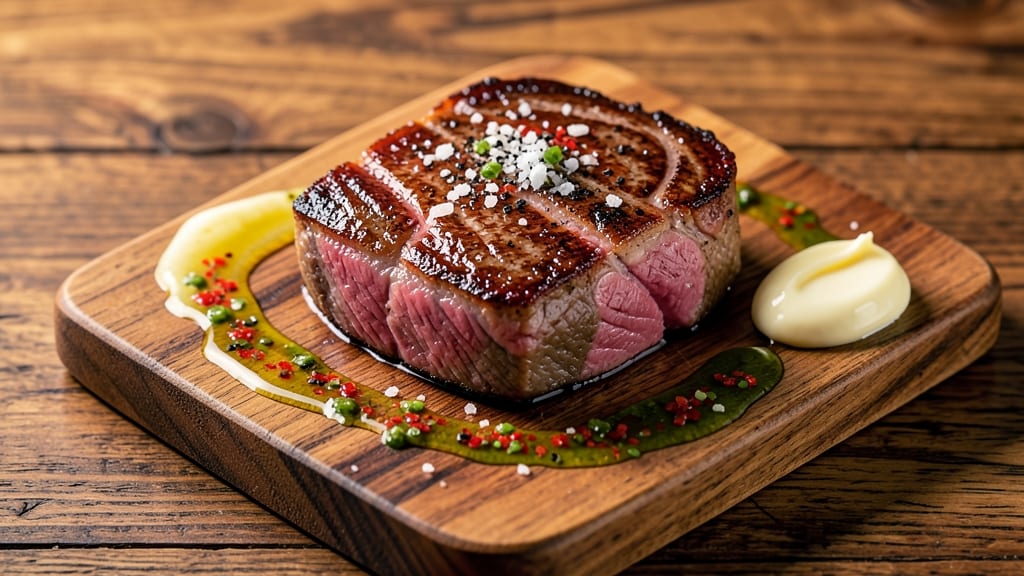
A5 Wagyu beef transforms a simple meal into a steakhouse-level experience—where every bite melts like butter and the aroma alone justifies the splurge. 💛 The secret lies in its legendary marbling, which requires precise cooking techniques to render the fat cap perfectly while keeping the interior tender and juicy.
This isn’t just beef; it’s a culinary masterpiece that demands respect, from the moment you unwrap the vacuum-sealed package to the final, golden sear.
What sets A5 Wagyu apart is its unmatched fat distribution, turning each slice into a luxurious, buttery canvas.
The key to cooking it right? Low-and-slow methods like sous vide or reverse searing ensure the fat renders without cooking out, while high-heat finishing creates a crispy crust that locks in flavor.
No dry, tough cuts here—just melt-in-your-mouth perfection that pairs beautifully with classic sides like steamed rice, miso soup, or grilled asparagus.
This recipe isn’t just about technique—it’s about elevating an ordinary meal into an unforgettable moment. Whether you’re grilling for a special occasion or treating yourself to a restaurant-worthy dinner at home, the result is a steak so rich and flavorful, it’ll leave everyone at the table in awe.
The fat cap should render like silk, the crust should crackle, and the interior should yield effortlessly to the knife.
Ready to master the art of cooking A5 Wagyu? The process is simpler than you think—just follow the steps for precise temperature control, resting times, and presentation tips that turn a slab of beef into a showstopping centerpiece. Let’s get started.
Ingredients for a5 wagyu beef
Four ingredients make this steakhouse experience possible—just one is the star.
| Ingredient | Amount | Notes |
|---|---|---|
| A5 Wagyu Beef 🥩 | 1 ½ lb | Center-cut, vacuum-sealed, fat cap intact |
| Kosher Salt 🧂 | 1 ½ tsp | Diamond Crystal preferred for precision |
| Freshly Ground Black Pepper 🌶️ | ½ tsp | Cracked peppercorns for maximum aroma |
| Extra-Virgin Olive Oil 🫒 | 1 tbsp | For high-heat searing only |
| Japanese Yuzu Kosho 🍋 | ½ tsp | Or sub with lemon zest + chili flakes |
| Unsalted Butter 🧈 | 2 tbsp | European-style for higher smoke point |
| Fresh Thyme Leaves 🌿 | ¼ cup | Finely chopped, stems removed |
| Garlic Cloves 🧄 | 4 cloves | Minced, skin-on for extra flavor |
| Sake 🍶 | ½ cup | Dry variety for marinade balance |
| Mirin 🍶 | ½ cup | Sweet cooking rice wine |
| Sesame Oil 🫒 | 1 tsp | Toasted for finishing drizzle |
| Steamed White Rice 🍚 | 2 cups | Short-grain preferred for texture |
| Miso Paste 🍜 | 1 tbsp | White miso for delicate flavor |
The A5 Wagyu is non-negotiable here. Look for vacuum-sealed center-cut with visible marbling—thick fat cap is ideal. Butcher shops or specialty grocers like Whole Foods carry the best quality, though online retailers like Snake River Farms ship nationwide. Price won't be kind, but remember: this isn't beef, it's a culinary investment. The fat cap should be at least 1/2 inch thick—any less and you're missing the point. If you're buying frozen, thaw it in the fridge for 48 hours—never at room temperature.
No yuzu kosho? Lemon zest plus pinch of cayenne works in a pinch, though you'll lose that signature citrus-chili complexity. The sake-mirin marinade is where magic happens—24 hours minimum lets the beef absorb all those umami notes. For the butter, Plugrá or European-style holds up better to high heat than American butter. Fresh thyme is a must, but dried works at one-third the amount if you're in a bind. The steamed rice? Day-old rice reheats beautifully—perfect for soaking up all that rendered fat.
This steak demands respect—rest it 15 minutes after cooking or all that juiciness will pool out. The rendered fat? Save every drop—it's liquid gold. Store leftovers in an airtight container with a thin layer of butter on top to preserve moisture. Keeps 3-4 days in the fridge, though honestly, you won't have any left. For presentation, serve on a slate board with the rendered fat artfully drizzled around—it's not just food, it's a performance.
Why You'll Love This Recipe
- Same recipe, two vibes: serve with steamed greens for a fancy dinner or pile it on toast for brunch. The yuzu kosho adds a pop that works everywhere, and the beef never lets you down.
- No-Fuss Searing: I swear by a hot cast-iron pan—just 3 minutes per side for that perfect crust. The A5 melts like butter inside while the outside stays juicy, and honestly? That’s where the magic happens.
- Umami Bomb: One sprinkle of yuzu kosho turns this into something special—bright citrus cuts through the richness, and the olive oil keeps it silky. Between us, it’s the kind of flavor that makes people pause mid-bite.
- Leftovers? Better Than Fresh: Cold slices next day are my secret weapon—crispy edges, tender meat, zero regret. Wrap them in rice paper for quick rolls or toss into a salad when lunch gets boring.
Step-by-step instructions for A5 Wagyu beef with Japanese-inspired glaze
Here's how to transform ultra-premium A5 Wagyu into a restaurant-worthy centerpiece.
🔥 Step 1: Dry-Brine and Prep the A5 Wagyu
Remove the A5 Wagyu from its vacuum seal and pat it completely dry with paper towels—this is critical for maximum crust development. In a small bowl, combine the 1.5 tsp kosher salt and 0.5 tsp freshly ground black pepper. Rub this dry brine all over the beef, pressing firmly so it adheres to every crevice. The salt will penetrate the meat and create an incredible crust while enhancing the natural beefy flavor.
Place the seasoned beef on a wire rack set over a baking sheet and refrigerate uncovered for 1 hour. This dry-brine method works better than wet brining for Wagyu—it preserves that luxurious marbling while creating a perfect crust. After the hour, remove the beef from the fridge and let it sit at room temperature for 30 minutes before cooking. This ensures even cooking from edge to center.
🍳 Step 2: Sear the Wagyu to Perfection
Heat a heavy cast-iron skillet over medium-high heat until it's screaming hot. Add the 1 tbsp extra-virgin olive oil and let it shimmer for 30 seconds. Place the A5 Wagyu in the pan, fat-side down first, and sear for 3-4 minutes without moving it. You'll see the fat begin to render and the edges start to brown beautifully—this is where all the magic happens.
Flip the beef and sear the other side for another 3-4 minutes. For the final touch, add the 2 tbsp unsalted butter and the 0.25 cup fresh thyme leaves to the pan. Tilt the pan slightly and spoon the melted butter over the beef for 1 minute until it's glossy and golden. The butter will baste the meat, adding richness and aroma. Remove the beef from the pan and let it rest on a cutting board for 10 minutes—this resting period is non-negotiable for juicy results.
🥘 Step 3: Create the Japanese-Inspired Glaze
In the same skillet (no need to clean it—those flavorful browned bits are pure gold), add the 4 minced garlic cloves and cook for 30 seconds until fragrant. Pour in the 0.5 cup sake and 0.5 cup mirin, scraping up any browned bits from the bottom of the pan. Bring to a simmer and reduce by half, which should take about 3-4 minutes. The alcohol will cook off, leaving behind a sweet, aromatic base.
Stir in the 1 tbsp miso paste and 0.5 tsp Japanese yuzu kosho until fully dissolved. Remove the pan from heat and whisk in the 1 tsp sesame oil. The glaze should be smooth and slightly glossy. Taste and adjust seasoning with a pinch of salt if needed—this glaze should balance sweet, umami, and a touch of citrusy heat.
⏰ Step 4: Finish and Serve with Steamed Rice
While the beef rests, slice it against the grain into ¼-inch thick portions. Place the sliced beef on a warm serving platter and drizzle generously with the Japanese glaze you just prepared. The glaze should coat the beef evenly, enhancing its natural flavors without overpowering them.
Serve immediately alongside the 2 cups steamed white rice—short-grain rice works best here as it's slightly sticky and complements the rich beef beautifully. Each bite should deliver melt-in-your-mouth tenderness with a perfect crust, complemented by the sweet-savory glaze. The yuzu kosho adds a subtle citrusy kick that cuts through the richness, while the sesame oil provides a nutty finish. This is true steakhouse luxury, brought to your home kitchen.
Pro Tips For Making A5 Wagyu Beef
- Sear on High, Finish Low: I used to rush this and end up with uneven doneness—don’t. Start your wagyu in a screaming-hot pan with olive oil until you get deep caramelization (about 2 minutes per side for steaks). Then drop the heat to medium-low and let it cook through gently. The crust locks in flavor while the interior stays buttery, not tough.
- Salt the Meat First: Season the wagyu with kosher salt at least 40 minutes before cooking—yes, even if it feels early. The salt breaks down the surface, helping the yuzu kosho cling later and creating that perfect crust. Trust me, your steak will thank you.
- Skip the Overcrowding: I learned this the hard way—adding too much wagyu to the pan drops the temperature and steams the meat instead of searing. Cook one piece at a time, even if it means two batches. The difference in texture and flavor is night and day.
- Rest Under Foil: After cooking, tent the wagyu with foil and let it rest for 5-10 minutes. This keeps the juices from pooling on the cutting board, and the residual heat finishes the meat evenly. I know, I know—it’s tempting to slice immediately, but resist.
Make-ahead tips for this dish
Prep Ahead Strategy
The key to A5 Wagyu success is marinating the glaze components in advance—this lets the flavors meld perfectly. Combine the sake, mirin, miso paste, and yuzu kosho in a small saucepan and simmer for 5 minutes to reduce slightly.
Let it cool, then refrigerate for up to 3 days. The flavors deepen over time, making your glaze even more complex. 🍶
Beef Prep Timeline
Pat the A5 Wagyu dry and apply the dry brine 24 hours before cooking—this maximizes flavor penetration without over-salting. Store it uncovered on a wire rack in the fridge.
The beef will develop a dry, crust-friendly surface while staying juicy inside. For extra convenience, slice the steamed rice ahead of time and reheat gently before serving.
Fat Rendering Hack
If you're grilling instead of pan-searing, pre-render the fat cap by searing the beef fat-side down for 8-10 minutes before flipping. This ensures the fat melts beautifully during the main cook. Save the rendered fat in a small bowl—it’s perfect for basting or drizzling over the finished steak.
Store any leftovers in an airtight container with a thin butter layer to keep them moist.
Glaze Make-Ahead Option
Make the Japanese glaze completely ahead and store it in the fridge for up to 5 days. Reheat it gently in a small saucepan before drizzling over the steak. For a restaurant-style finish, reduce it by 25% before serving—this intensifies the flavors.
The glaze pairs perfectly with the steamed rice and complements the beef’s natural richness without overpowering it.
Serving Prep Shortcuts
Arrange your plating elements the night before: slice the steak into ¼-inch portions, portion the rice, and set out garnishes like thyme leaves and sesame seeds.
Store everything separately in the fridge. When ready to serve, simply reheat the glaze and assemble everything—your guests will never know it wasn’t freshly prepared. 💫
Nutrition facts
Frequently asked questions
What makes A5 Wagyu different from regular beef?
A5 Wagyu is the highest grade of Japanese beef, defined by its intense marbling (fat within the muscle) and thick fat cap. The "A5" rating means it scores perfect in both marbling and beefiness. Unlike regular beef, it melts like butter when cooked properly, with 30-50% fat content compared to 10-15% in conventional cuts. The fat renders beautifully, creating a luxurious mouthfeel that's impossible with standard beef.
Can I cook A5 Wagyu in an air fryer?
While possible, an air fryer isn't ideal for A5 Wagyu due to its low heat and poor fat rendering. The high-heat sear needed for crust development is difficult to achieve, and the fat won't render as beautifully. For best results, use a cast-iron skillet or grill—the direct, intense heat creates that perfect crust while allowing the fat to melt into the meat. If you must use an air fryer, pre-render the fat cap first on the stovetop.
How do I know when A5 Wagyu is cooked to perfection?
For A5 Wagyu, the internal temperature should reach 120-125°F for medium-rare—this preserves tenderness. Use a meat thermometer inserted into the thickest part (avoid fat). The exterior should have a deep golden-brown crust with visible fat rendering. When sliced, the meat should look moist and pink with fat evenly distributed throughout. Overcooking will dry it out—this beef is meant to be rare to medium-rare.
What's the best way to store leftover A5 Wagyu?
Store leftovers in an airtight container with a thin layer of butter on top to preserve moisture. Refrigerate for 3-4 days max—freezing isn't recommended as it can alter the texture. For reheating, use low heat in a skillet with a splash of sake or water to prevent drying. Each slice should still be tender and flavorful, though not as luxurious as fresh. The rendered fat? Save it—it's perfect for basting or finishing dishes.
Can I substitute A5 Wagyu with another cut?
While nothing replaces A5 Wagyu's marbling, you can use USDA Prime ribeye or Japanese Black Angus as alternatives. For similar results, look for cuts with visible marbling and high fat content. However, expect less buttery texture and more connective tissue. If substituting, reduce cooking time by 1-2 minutes to avoid overcooking—these cuts are less forgiving than true Wagyu.