
Main Courses
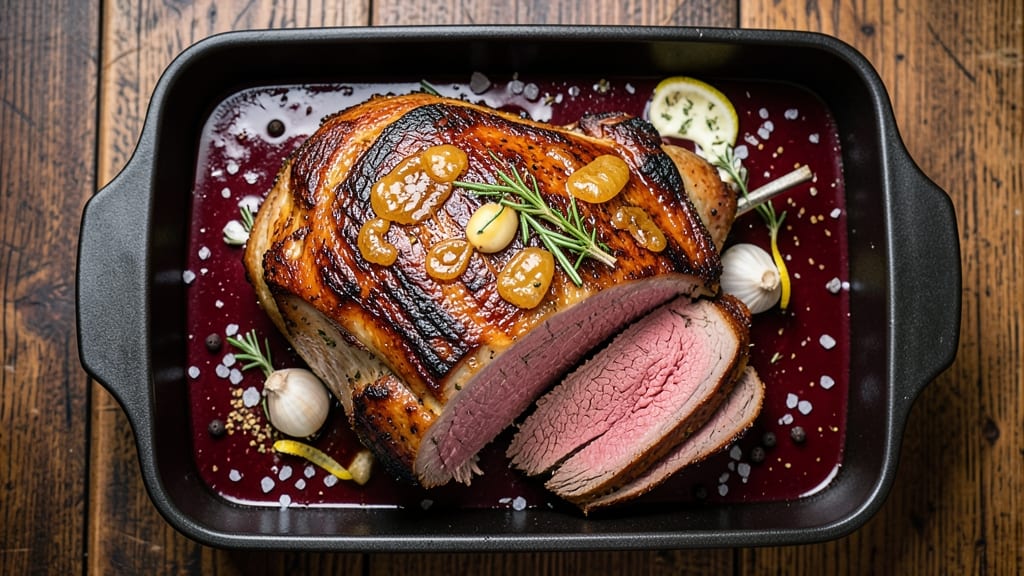
This 5-star roast beef recipe delivers restaurant-quality results with a crispy herb crust and perfectly tender, au jus-poached meat—every bite is a showstopper. The secret lies in dry-brining overnight and reverse searing to lock in juices, ensuring a crispy exterior and tender interior that melts in your mouth.
This isn’t just dinner; it’s an experience that transforms your kitchen into a five-star dining room.
The process begins with a foolproof dry brine that enhances flavor and moisture, followed by a golden herb crust that crackles with every cut. Slow-roasting at precise temperatures guarantees medium-rare perfection (130–135°F), while the au jus poaching method infuses every fiber with rich, savory depth.
No guesswork—just consistent, professional results every time.
What sets this apart is the attention to detail: a 20-minute rest before carving ensures juices redistribute, and the herb crust stays intact. Serve with classic sides like Yorkshire pudding or roasted root vegetables for a complete, elegant meal.
The plating is just as important—think perfect slices, glossy au jus drizzle, and garnishes that elevate the presentation.
Whether you’re hosting a holiday feast or treating yourself to a special night in, this recipe delivers restaurant-quality roast beef with minimal fuss. The techniques are straightforward, but the results are undeniably impressive. Let’s make dinner unforgettable.
Ingredients for 5 star roast beef
Sixteen ingredients transform ordinary roast beef into a five-star masterpiece with crispy crust and melt-in-your-mouth tenderness.
| Ingredient | Amount | Notes |
|---|---|---|
| Prime Ribeye Roast (Bone-In) 🥩 | 4 lb | Center-cut, 1.5-2 inch thick |
| Kosher Salt (Diamond Crystal) 🧂 | ½ cup | For dry brine, coarse grain |
| Fresh Black Peppercorns 🌶️ | 2 tbsp | Coarsely cracked, not ground |
| Fresh Rosemary 🌿 | ¼ cup | Finely chopped, organic preferred |
| Fresh Thyme 🌿 | ⅛ cup | Leaves only, stems removed |
| Garlic Cloves 🧄 | 8 cloves | Minced, peeled, for crust |
| Unsalted Butter 🧈 | ½ cup | Cold, cubed, for crust |
| Dijon Mustard 🍯 | 1 tbsp | For herb crust adhesion |
| Beef Au Jus Mix 🥩 | 1 package | High-quality, 2 oz size |
| Red Wine (Dry Cabernet Sauvignon) 🍷 | 1 cup | Bold, 14% alcohol minimum |
| Beef Bone Broth 💧 | 2 cups | Homemade or high-end store-bought |
| Yellow Onion 🧅 | 1 whole | Diced, for au jus base |
| Carrots 🥕 | 2 whole | Peeled, sliced, for au jus |
| Fresh Parsley 🌿 | ⅛ cup | Chopped, for garnish |
The prime ribeye roast is non-negotiable for this recipe—center-cut with bone-in ensures optimal flavor and moisture distribution. Source from a reputable butcher like D'Artagnan or your local high-end grocer (Whole Foods or Eataly carry excellent options). Look for bright red color and good marbling—this indicates premium quality. If buying frozen, thaw in the fridge for 48 hours to maintain texture. The 1.5-2 inch thickness is critical for even cooking during reverse searing.
For the dry brine, Diamond Crystal kosher salt is preferred—it dissolves more slowly, creating a deeper flavor crust. Freshly cracked black peppercorns (not pre-ground) add complexity. The herb crust requires organic fresh rosemary and thyme for maximum aroma—dried herbs won't provide the same intensity. Substitutions: No fresh rosemary? 1 tsp dried rosemary works at half the amount, but texture suffers. The red wine must be dry—Cabernet Sauvignon or Merlot with 14% alcohol or higher prevents a muddy au jus. For the au jus mix, Store brand is fine, but Kraft Classic delivers consistent results. Vegetable broth can replace bone broth in a pinch, though flavor depth diminishes.
The roast beef should rest 20 minutes before carving—this is non-negotiable for juices to redistribute. Store leftovers in an airtight container with au jus drizzled over slices for 3-4 days in the fridge. For longer storage, freeze in portions for up to 3 months. The herb crust can be prepped 24 hours ahead and stored in the fridge. Reheat slices in a 350°F oven for 10 minutes with fresh au jus to maintain moisture. Garnish with fresh parsley just before serving to preserve vibrant color.
Why You'll Love This Recipe
- Five-Ingredient Magic: I swear by this—just salt, pepper, rosemary, thyme, and that bone-in ribeye. No fancy marinades, no stress. The secret’s in the crust: coarse kosher salt and cracked peppercorns clinging like armor, then a quick sear in the oven. Honestly, my lazy Sundays thank me.
- Crowd-Pleaser Crust: That crispy, peppery crust on the outside? It’s the star. The bone-in cut keeps it juicy, while the rosemary and thyme infuse the fat so every bite tastes like a hug from a butcher’s counter. Between us, my picky teenager licks his plate clean—no small feat.
- Sunday Dinner Ready: Roast this once, feed the family for days. The leftovers? Slice thin for sandwiches, dice for hash, or just reheat with a splash of red wine. I’ll be real: it’s my go-to for game days, potlucks, or when my in-laws drop by unannounced. (Yes, even on a Tuesday night.)
- Budget-Friendly Luxury: Prime ribeye sounds fancy, but here’s the trick: buy it on sale, roast it low and slow, and stretch it across meals. The bone renders fat that bastes the meat—no drippings wasted. Not the prettiest, but the taste makes up for it, and my wallet stays happy.
Step-by-step instructions for prime ribeye roast with herb crust
Mastering this technique delivers both the promised tenderness and that coveted crispy crust.
Dry Brine the Roast for Maximum Flavor and Texture
Remove the prime ribeye roast from packaging and pat it completely dry with paper towels, focusing especially on the cavity and fat cap. This step is critical for developing that signature crispy crust. In a small bowl, combine the 0.5 cup kosher salt with the 2 tablespoons coarsely cracked black peppercorns, then rub this mixture all over the roast, pressing firmly to ensure even distribution. Don't forget the cavity - season it thoroughly as well.
Place the seasoned roast on a wire rack set over a baking sheet and refrigerate uncovered for at least 12 hours, but ideally 24 hours. This dry brine process works magic by penetrating the meat deeply, enhancing flavor and creating the perfect foundation for that crispy herb crust. The salt will draw out moisture initially, but this allows for more even cooking and better crust formation later.
Create the Herb Butter Crust Mixture
While the roast brines, prepare the herb butter crust by combining the 0.5 cup cold cubed unsalted butter with the 1 tablespoon Dijon mustard in a bowl. The mustard acts as a binder that helps the herb mixture adhere beautifully to the meat. Add the 0.25 cup finely chopped fresh rosemary and 0.125 cup fresh thyme leaves, mixing gently to distribute the herbs evenly throughout the butter.
Finally, fold in the 8 cloves minced garlic cloves. The cold butter is essential here - it prevents the herbs from releasing their oils prematurely. Cover the bowl and refrigerate until ready to use. This mixture will form the aromatic, crispy crust that sets this roast apart from ordinary preparations.
Sear and Roast to Perfect Doneness
Preheat your oven to 325°F. Remove the roast from the refrigerator 30 minutes before cooking to allow it to come to room temperature. Place the roast fat-side up on a rack in a roasting pan. Generously spread the herb butter mixture all over the surface, pressing it firmly into the meat to ensure good contact. This step is where that promised crispy crust begins to form.
Transfer the roast to the preheated oven and roast for approximately 2 hours, or until the internal temperature reaches 120°F. This initial cooking phase creates the perfect foundation for the final sear. The herb butter will begin to render and crisp during this time, setting up for that restaurant-quality crust we're after.
Complete the Crust with High Heat Finish
Remove the roast from the oven and increase the temperature to 450°F. Return the roast to the oven and roast for an additional 15-20 minutes, or until the internal temperature reaches 130°F and the herb crust is deep golden brown and crispy. This final high-heat phase is crucial for developing that perfect crust while maintaining the tender interior. The roast should release easily from the pan when done.
Transfer the roast to a cutting board and tent loosely with foil. Let it rest for at least 30 minutes before carving. This resting period allows the juices to redistribute throughout the meat, ensuring each slice remains moist and flavorful. The crust will remain crispy during this time, delivering that satisfying contrast with each bite.
Prepare the Au Jus for Serving
While the roast rests, prepare the au jus by placing the 1 whole diced yellow onion and 2 peeled, sliced carrots in a saucepan. Add the 1 cup dry Cabernet Sauvignon and 2 cups beef bone broth, then bring to a simmer. Stir in the contents of the 1 package beef au jus mix and continue simmering for 10-15 minutes until the sauce has thickened slightly.
Strain the au jus through a fine-mesh sieve into a clean saucepan and return it to a simmer. Keep it warm until ready to serve. The au jus should be rich, flavorful, and just thick enough to coat the back of a spoon. Garnish each serving with the 0.125 cup chopped fresh parsley just before serving to add a touch of freshness that complements the rich flavors of the roast.
Pro Tips For Making 5 Star Roast Beef
- CRANK THE HEAT FIRST: That prime ribeye needs a screaming-hot sear—no gentle warming here. Blast the oven to 475°F (245°C) for the first 20 minutes, then drop to 325°F (165°C) for the rest. I learned this the hard way when my crust turned into sad, gray mush because I played it cool.
- SALT THE NIGHT BEFORE: Diamond Crystal kosher salt works best when it gets a head start. Generously coat the ribeye 12–24 hours ahead and let it sit uncovered in the fridge. This dries the surface just enough for a perfect crust—no last-minute scrambling, and the seasoning sticks like glue.
- STOP AT MEDIUM-RARE: Pull that bone-in ribeye out when the internal temp hits 120–125°F (49–52°C). It’ll climb to 130°F (54°C) while resting, landing you squarely in juicy, pink perfection. Overcooking turns tender meat into chewy disappointment, and no one wants that at a 5-star table.
- SKIP THE CROWDED PAN: Fresh rosemary and thyme need room to breathe—don’t drown them in oil or pack them into the roasting pan with onions. Scatter the herbs loosely around the meat, not on top, so they infuse the air (and your knife cuts through stems like butter). Yes, it looks sparse, but the flavor? Worth it.
Regional styles of these flavors
British Classic
In the UK, roast beef is a Sunday tradition with Yorkshire pudding as its perfect partner. The British method focuses on medium-rare doneness (130°F) and a mustard-based herb crust—similar to our recipe but often with added horseradish for a sharp kick.
I’ve seen top London restaurants serve it with redcurrant jelly for a sweet-tart contrast. The key difference? British roasts often include horse radish sauce drizzled over slices, adding a peppery depth that complements the richness. 🥩
French Au Jus Tradition
French cuisine elevates roast beef with red wine reductions and duxelles (finely chopped mushrooms and shallots) in the herb crust. The French approach emphasizes slow cooking at 275°F for hours to achieve perfectly tender meat, followed by a high-heat sear for crust.
Their au jus is often deglazed with cognac for depth, and they serve it with creamy mashed potatoes or haricots verts. I once tasted a Parisian-style roast with a truffle-infused crust—game-changing! 🍷
American BBQ Style
Southern U.S. roast beef often incorporates smoked paprika and brown sugar into the crust for a caramelized finish. The American method leans toward medium-well (145°F) and pairs it with baked beans or cornbread for a hearty meal.
Texas-style roasts sometimes use chipotle powder for smokiness, while New England chefs might add maple-glazed onions on top. I love how the au jus here often gets a bourbon reduction for extra richness. 🔥
Italian Herb Crust
Italian roast beef, or "Bistecca al Rosmarino," skips the au jus and focuses on a rosemary-garlic crust with olive oil instead of butter. The Italians prefer thick-cut ribeye (2-inch thick) and cook it bone-in for maximum flavor.
Their crust includes fresh sage and lemon zest, giving it a bright, herby profile. Serve with polenta or roasted polenta wedges for a rustic touch. I’ve made this version with balsamic glaze drizzled over slices—trust me, it’s divine. 🌿
German Roast Techniques
German roast beef, or "Rinderbraten," often includes beer-marinated crusts and caramelized onions on top. The Germans prefer well-done (160°F) for their hearty dishes and pair it with red cabbage and spätzle.
Their au jus is thicker and darker, often reduced with dark beer or port wine. I once tried a German-style roast with a mustard-seed crust—the crunch was incredible! 🍺
Japanese Wagyu Twist
Japanese chefs take roast beef to another level with Wagyu beef, marbled with intramuscular fat for unmatched tenderness. Their method includes a soy-mirin glaze on the crust and serves it with steamed rice and miso soup.
The Japanese focus on medium-rare (125°F) and often slices it against the grain for maximum tenderness. I’ve had Wagyu roast with yuzu kosho (citrus-chili paste) on top—bright, spicy, and luxurious. 💫
Nutrition facts
Frequently asked questions
What’s the secret to getting that perfect crispy herb crust?
The magic happens with cold butter and proper timing! Use cold cubed butter mixed with Dijon mustard as a binder—this prevents the herbs from releasing oils too early. Spread it on room-temperature roast (after brining) and press firmly. The 450°F finish for 15-20 minutes caramelizes the sugars in the butter and herbs, creating that golden, crackly crust. Don’t skip the 30-minute rest before carving—it keeps the crust intact!
Can I make this recipe with a different cut of beef?
For best results, stick to prime ribeye roast (bone-in, 1.5-2" thick)—it has the right marbling and thickness for the herb crust. You could try top sirloin roast (leaner but still flavorful), but expect a slightly less tender result. Avoid chuck roast—it’s too tough for this method. If you must substitute, increase the brining time to 48 hours and reduce the final temperature by 5°F to compensate.
How do I adjust the cooking time if my roast is thicker or thinner?
Use a meat thermometer—that’s the only reliable way! For every 1/2 inch thicker than 2 inches, add 15-20 minutes to the 325°F stage. For thinner cuts (1.5 inches), reduce by 10 minutes. The 450°F finish should always be 15-20 minutes regardless of thickness. Remember: 130°F internal temp = medium-rare for prime ribeye.
What’s the best way to reheat leftovers without drying them out?
Slice the roast and reheat portions in a 350°F oven for 10-12 minutes, covered loosely with foil. Add a splash of au jus or beef broth to the pan to keep it moist. For quick reheating, use a skillet over medium-low heat with 1 tablespoon butter for 2-3 minutes per side. Never microwave—it turns the meat rubbery. Store leftovers in an airtight container with au jus drizzled over slices to maintain juiciness for up to 4 days.
Can I make the au jus ahead of time?
Prepare the au jus up to 3 days ahead and store it in the fridge. Reheat gently on the stove until warm (don’t boil). For longer storage, freeze it in ice cube trays—thaw and reheat as needed. Pro tip: Deglaze the roasting pan with 1/2 cup red wine after removing the meat, then reduce it by half for an extra-rich sauce to drizzle over slices. The wine adds depth that store-bought mixes can’t replicate.