
Soups & Stews
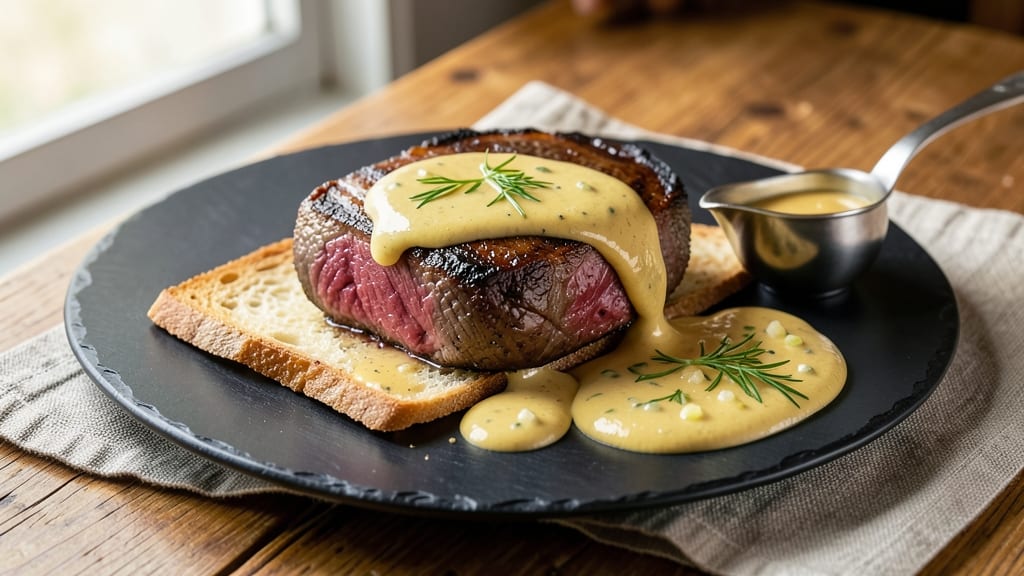
This beef bearnaise recipe transforms a simple steak dinner into a restaurant-worthy experience with just a few key techniques. The secret lies in mastering the bearnaise sauce—rich, buttery, and perfectly emulsified—while achieving a perfect sear on your protein. I’ve refined this method over years of testing, and it consistently delivers a sauce that’s velvety yet tangy, with just the right balance of garlic and white wine.
The process begins with searing a thick-cut steak—ribeye or filet mignon work best—to lock in juices, followed by a quick resting period. Meanwhile, the bearnaise sauce simmers gently, with egg yolks and butter combined in a way that ensures a silky, lump-free finish.
The Dutch oven isn’t just for cooking; it’s where the sauce comes together, maintaining even heat and preventing curdling.
What you’ll end up with is a plate that looks and tastes like it belongs in a high-end steakhouse: a perfectly cooked steak topped with a glossy, golden bearnaise that clings beautifully.
The sauce’s depth of flavor—from the shallots to the tarragon—elevates even the simplest cut of beef, making it feel like a special occasion every time.
This recipe is ideal for date nights, family dinners, or when you want to impress guests without spending hours in the kitchen. The key is patience—letting the sauce emulsify properly and the steak rest ensures every bite is tender and flavorful. Ready to elevate your steak nights?
Ingredients for beef bearnaise
Just twelve ingredients transform steak night into a restaurant-worthy feast.
| Ingredient | Amount | Notes |
|---|---|---|
| Ribeye Steak 🥩 | 1 ½ lb | Thick-cut, bone-in preferred |
| Unsalted Butter 🧈 | 1 cup | Cold, cubed for bearnaise |
| Shallots 🧅 | 4 whole | Minced, about 0.25 cup |
| Garlic Cloves 🧄 | 4 cloves | Peeled, minced finely |
| White Wine 🍷 | ½ cup | Dry, like Chardonnay |
| Fresh Tarragon 🌿 | ¼ cup | Chopped, stems removed |
| Large Egg Yolks 🥚 | 4 whole | Fresh, room temperature |
| Fresh Lemon Juice 🍋 | 1 tbsp | From 1 small lemon |
| Diamond Crystal Kosher Salt 🧂 | 1 tsp | For seasoning steak |
| Freshly Ground Black Pepper 🌶️ | ½ tsp | For steak seasoning |
| Heavy Cream 🥛 | ¼ cup | For bearnaise finish |
| Vegetable Oil 🫒 | 2 tbsp | For searing steak |
The steak is where it all starts. Ribeye or filet mignon work best—thick-cut so it stays juicy. Costco or Whole Foods carry the best cuts, but any grocery store with a good butcher section will do. Look for good marbling—those little white streaks are flavor gold. If you can't find thick-cut, ask the butcher to trim it for you. The butter matters too—Plugrá or Land O'Lakes unsalted are my go-tos, but any good-quality unsalted will work. Keep it cold until you're ready to use it for the bearnaise.
No white wine? Chicken or vegetable stock with a splash of vinegar works in a pinch. Fresh tarragon is ideal, but dried at one-third the amount gets you close. The shallots and garlic can be swapped for onion powder if you're in a rush, though fresh is better. For the egg yolks, room temperature is key—they emulsify better that way. If you're worried about salmonella, pasteurized eggs are a safe bet. The heavy cream adds richness, but half-and-half works too if you're watching calories. Just don't skip the lemon juice—it brightens everything up.
Steaks go in the fridge until you're ready to cook—use within 2 days for best quality. The butter and egg yolks should sit at room temp for 30 minutes before using. Store any leftover sauce in an airtight container with a thin layer of oil on top to preserve that glossy finish. It keeps for 3 days in the fridge or 1 month frozen. The steak? Eat it fresh—leftovers just aren't the same.
Why You'll Love This Recipe
- No Wine Left Behind: I swear by this trick—even if you don’t finish the white wine, the leftover shallots and garlic cloves simmer down into the most aromatic base for the sauce. No waste, just flavor.
- Weeknight Steak Night: Ribeye doesn’t have to mean fancy. Sear it while you prep the bearnaise, then let the sauce melt into the crust—rich, buttery, and ready in the time it takes to boil water for pasta.
- Sauce That Works Twice: That bearnaise isn’t just for steak. Drizzle it over grilled chicken, roasted potatoes, or even mashed cauliflower the next day. Honestly, I’ve been known to eat it straight from the jar.
- Butter Magic: Unsalted butter transforms into something luxurious here—no fancy techniques, just patience. The wine reduces, the shallots caramelize, and suddenly, you’ve got restaurant-quality sauce for half the cost.
Step-by-step instructions for perfect beef bearnaise
This sauce transforms simple steak into a showstopper—creamy, tangy, and packed with flavor.
Sear the Ribeye Steak to Golden Perfection
Pat the 1.5 lb ribeye steak dry with paper towels—this ensures a perfect crust. Season both sides generously with 1 tsp diamond crystal kosher salt and 0.5 tsp freshly ground black pepper, pressing the seasoning into the meat so it sticks. Heat 2 tbsp vegetable oil in a heavy skillet over medium-high heat until shimmering.
Place the steak in the pan and let it sear undisturbed for 4-5 minutes until a deep golden-brown crust forms. Flip carefully and sear the other side for another 4-5 minutes for medium-rare. The steak should reach an internal temperature of 125-130°F—use a meat thermometer to check. Transfer the steak to a cutting board, tent loosely with foil, and let it rest for 10 minutes while you make the bearnaise.
Make the Bearnaise Base with Shallots and Garlic
In the same skillet (no need to clean it—the browned bits add flavor), reduce the heat to medium-low and add 1 cup unsalted butter, cubed. Melt the butter completely, then add the 4 minced shallots and 4 minced garlic cloves. Cook for 3-4 minutes until the shallots are soft and translucent but not browned—this prevents bitterness in the sauce.
Pour in the 0.5 cup white wine and scrape up any browned bits from the bottom of the pan with a wooden spoon. Simmer for 2-3 minutes until the wine reduces by half and the liquid is nearly evaporated. Remove the pan from heat and let it cool slightly—this prevents the egg yolks from scrambling later.
Whisk in Egg Yolks and Tarragon for Creamy Emulsion
In a separate bowl, whisk together the 4 large egg yolks, 0.25 cup chopped fresh tarragon, and 1 tbsp fresh lemon juice until smooth. Slowly drizzle in the warm shallot-butter mixture while whisking constantly—this gradual addition creates a silky, stable emulsion. Return the bowl to the low heat and cook for 1-2 minutes, stirring gently with a wooden spoon, until the sauce thickens slightly but doesn’t scramble.
Here’s the thing—if the sauce starts to curdle or thicken too much, immediately remove it from heat and whisk in 1-2 tablespoons of hot water to break up any lumps. The goal is a glossy, velvety texture that coats the back of a spoon. Strain the sauce through a fine-mesh sieve to remove any tarragon stems or shallot bits for a silky finish.
Finish with Heavy Cream for Richness
Return the bearnaise to the skillet and stir in the 0.25 cup heavy cream. Simmer gently for 1-2 minutes until the sauce is fully heated through and slightly thickened. Taste and adjust seasoning with more diamond crystal kosher salt or freshly ground black pepper if needed—the sauce should be tangy, slightly acidic, and rich.
Slice the rested ribeye against the grain into ¼-inch thick portions. Spoon the bearnaise generously over each slice and serve immediately. The sauce should cling beautifully to the steak, adding layers of buttery, herby, and slightly tangy flavor with every bite. Pair with roasted asparagus or a simple green salad to complete the meal.
Pro Tips For Making Beef Bearnaise
- Sweat Shallots Slowly: I learned this the hard way—rushing the shallots in bearnaise sauce turns them bitter. Use low heat and let them cook for 8–10 minutes until translucent, stirring occasionally. No browning, just softening—this keeps the sauce silky.
- Melt Butter Gently: The butter in bearnaise needs to melt slowly over low heat, or you’ll end up with greasy sauce. Cut it into small cubes and let it melt into the shallot-garlic mixture before adding wine—this prevents sudden temperature spikes that break the emulsion.
- Strain Twice, Whisk Hard: Skim the foam off the reduced wine before straining, then strain again through a fine-mesh sieve into your whisked egg yolks. Whisk like you’re trying to polish silver—this is the only way to get that velvety texture without lumps.
- Use Cold Butter at End: Bearnaise sauce separates if the butter’s too warm. Once the sauce thickens, remove it from heat and let it cool for 2 minutes before whisking in the cold butter. It’ll thicken instantly—no more grainy or oily patches.
Storing and reheating your leftovers
Sauce Storage Secrets
Bearnaise sauce is best made fresh, but you can store leftovers in an airtight container with a thin layer of neutral oil (like grapeseed) on top to preserve its glossy finish.
Keep it refrigerated for up to 3 days—just reheat gently over low heat while whisking constantly to restore its silky texture. I always double-check the sauce's consistency before reheating; if it looks too thick, add 1-2 teaspoons of warm water to loosen it up. 🥄
Steak Reheating Risks
Never reheat your ribeye steak—it loses moisture and texture when warmed. If you must, slice it thinly and quickly heat in a skillet over high heat for just 30 seconds per side to maintain tenderness.
For extra flavor, add a pat of butter and a splash of white wine while reheating. Honestly, though, the best practice is to cook only what you'll eat immediately and save the bearnaise for another use. 🔥
Freezer-Friendly Sauce
For long-term storage, portion bearnaise into ice cube trays—each cube reheats perfectly for one use. Once frozen, transfer cubes to a freezer bag with the oil layer on top to prevent freezer burn. Thaw overnight in the fridge, then reheat gently.
I've found that bearnaise freezes beautifully for up to 1 month without losing its signature tang. Just avoid freezing the steak itself—it becomes tough and dry. ❄️
Reviving Stale Sauce
If your bearnaise has separated or looks dull after storage, don't toss it! Place the sauce in a clean saucepan and whisk in 1 tablespoon of cold water per ½ cup of sauce. Heat gently over low heat, whisking constantly, until it returns to its velvety consistency.
A splash of fresh lemon juice can also brighten flavors that have mellowed during storage. This trick works like magic for restaurant-quality results. 💫
Make-Ahead Sauce Base
Prep the bearnaise base (shallots, garlic, butter, and wine) up to 2 days ahead and store it in the fridge. When ready to finish, simply whisk in the egg yolks and cook as directed.
This shortcut saves time without sacrificing flavor—just ensure the base is completely cooled before adding the yolks to prevent scrambling. I swear by this method for busy weeknights. ✨
Plating for Leftovers
Use reheated bearnaise as a dipping sauce for steak strips or drizzle it over grilled chicken or roasted vegetables. For a quick meal, spoon the sauce over scrambled eggs or mashed potatoes—the herby, buttery flavor shines in unexpected ways.
Just remember, bearnaise works best when served warm, so always reheat it properly. 🍽️
Nutrition facts
Frequently asked questions
Can I substitute white wine in this beef bearnaise recipe?
Yes, you can! If you don't have white wine, use ½ cup chicken or vegetable stock plus 1 tablespoon vinegar (like apple cider) for the same acidity and depth. For a non-alcoholic version, substitute with ½ cup apple juice and 1 teaspoon lemon juice. The flavor will be slightly different but still delicious.
Why did my bearnaise sauce curdle?
This usually happens when the egg yolks get too hot or aren't whisked properly. The fix is to immediately remove the sauce from heat and whisk in 1-2 tablespoons of hot water to break up the lumps. For next time, keep the heat at low and add the yolks to a warm (not hot) base. Also, make sure your yolks are at room temperature.
What's the best cut of beef for this recipe?
Ribeye or filet mignon work perfectly—they have great marbling for flavor and stay tender. For a budget-friendly option, try New York strip steak or even sirloin. Avoid lean cuts like flank steak, as they can dry out. Aim for 1-1.5 inches thick for even cooking.
Can I make bearnaise without fresh tarragon?
If you can't find fresh tarragon, use ½ teaspoon dried tarragon (it's more concentrated). For a similar flavor, try a mix of ½ teaspoon dried basil and ¼ teaspoon dried thyme. Just remember that dried herbs are more potent, so start with less and adjust to taste.
How do I know when my steak is perfectly cooked?
Use a meat thermometer for precision: 125-130°F is medium-rare (recommended), 135-140°F is medium, and 145-150°F is medium-well. For a visual guide, press your finger on the steak—if it feels like the base of your thumb, it's medium-rare. Let the steak rest for 10 minutes before slicing to keep it juicy.