
Soups & Stews
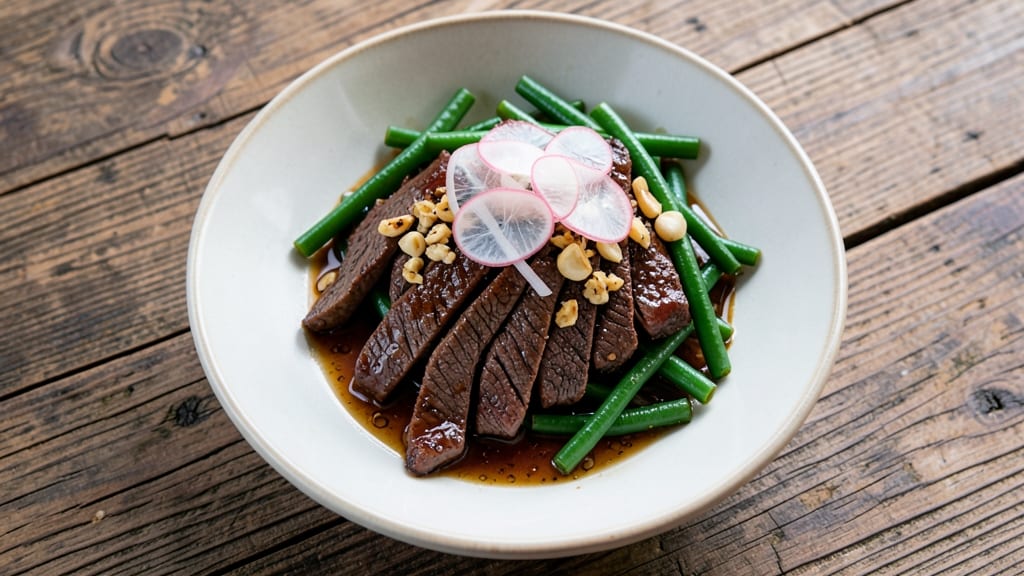
This beef and string bean stir-fry recipe delivers restaurant-quality flavor in under 30 minutes—the secret lies in high-heat searing and a garlicky soy sauce that transforms simple ingredients into a dish worth repeating. I developed this version after years of testing different wok techniques, and the key is balancing tenderness in the beef with crisp-tender string beans that hold their shape. The aroma alone—smoky, garlicky, and slightly sweet—will have everyone at the table anticipating that first bite.
The foundation of this stir-fry is proper slicing and marinating: thinly cut beef absorbs the sauce better, while a quick soy-ginger marinade adds depth without overpowering the natural flavors.
We'll use a combination of traditional wok hei (breath of the wok) and modern skillet adaptations, so you can achieve the same results whether you have a wok or a heavy-bottomed pan.
The sauce is where the magic happens—a simple blend of soy, garlic, ginger, and a touch of honey that creates that signature sweet-spicy balance.
What you'll end up with is a dish that's perfectly balanced: tender beef with a slight chew, crisp-tender string beans that pop with every bite, and a sauce that's sticky enough to coat everything without being overly sweet.
The high-heat cooking method ensures maximum flavor extraction from the aromatics while keeping the vegetables vibrant. This isn't just another stir-fry—it's the kind of quick weeknight meal that feels like you've put in hours of effort, even though it comes together faster than takeout.
Serve it over steamed rice or noodles for a complete meal, or let the stir-fry stand alone as a satisfying main course. The beauty of this recipe is its flexibility—swap in different vegetables, adjust the sauce to your preference, or even make it spicier with a dash of chili flakes.
Here's how to make it perfectly every time.
Ingredients for beef and string bean stir fry
Quick-wok crunch meets garlicky soy zing—just 14 ingredients for restaurant-style flavor.
| Ingredient | Amount | Notes |
|---|---|---|
| Flank Steak 🥩 | 1 lb | Thinly sliced against grain |
| String Beans 🌱 | 1 ½ lbs | Trimmed, cut into 2-inch pieces |
| Garlic Cloves 🧄 | 6 cloves | Minced, fresh preferred |
| Fresh Ginger 🌿 | 1 tbsp | Grated, peeled |
| Soy Sauce 🍶 | ½ cup | High-quality, light or regular |
| Honey 🍯 | 1 tbsp | Pure, for balance |
| Sesame Oil 🫒 | 1 tbsp | Toasted, for aroma |
| Neutral Oil 🫒 | 2 tbsp | Vegetable or canola |
| Cornstarch 🌾 | 1 tbsp | For tenderizing beef |
| White Wine Vinegar 🍶 | 1 tbsp | Brightens flavor |
| Red Chili Flakes 🌶️ | ½ tsp | Adjust to taste |
| Salt 🧂 | 1 tsp | Kosher or sea salt |
| Black Pepper 🌶️ | ½ tsp | Freshly ground |
| Sesame Seeds 🌾 | 1 tbsp | Toasted, for garnish |
The flank steak is non-negotiable here—it's lean but tender when sliced thinly against the grain. Ask your butcher to slice it if you're not comfortable doing it yourself, or freeze it for 30 minutes before slicing for easier handling. String beans should be bright green and crisp—avoid any that feel rubbery or wilted. For the garlic, fresh is a must—jarred minced garlic lacks the punch. I usually grab my soy sauce from Trader Joe's or H Mart; their brands have the perfect balance of saltiness without being overpowering. If you're using pre-sliced flank steak, pat it dry before marinating—moisture is the enemy of a good sear.
No sesame oil? Toasted peanut oil or avocado oil works in a pinch, though it won't have that signature nutty aroma. Running short on cornstarch? Arrowroot powder at the same amount gives you the same tenderizing effect. The honey can be swapped for maple syrup if you're avoiding refined sugar, but trust me on the pure stuff—it adds depth. For extra heat, Sichuan peppercorns or gochugaru can replace chili flakes entirely. If you're using a wok, heat it until it's smoking hot before adding oil—this is where that wok hei happens. No wok? A heavy cast-iron skillet works just as well, just make sure it's screaming hot.
This stir-fry tastes even better the next day—leftovers keep for 3-4 days in the fridge, though the beans will soften slightly. For long-term storage, freeze portions in airtight containers for up to 3 months. I like to portion mine into single-serving containers with a side of rice so I can reheat just what I need. To reheat, add a splash of water or soy sauce and stir-fry for 2-3 minutes over medium-high heat. The sauce will thicken up again, and the flavors meld even more beautifully—worth making extra for leftovers.
Why You'll Love This Recipe
- One-Pan Magic: I swear by this recipe when I’m too tired to scrub pots—just slice the steak thin, toss everything in one pan, and walk away. The string beans caramelize right alongside the beef, so you’re not stuck with separate dishes.
- Umami Bomb: That combo of soy sauce, fresh ginger, and minced garlic? It’s the kind of flavor that lingers. The beef gets this perfect chew, while the string beans soak up just enough sauce to be tender but still hold their shape—no mushy nonsense.
- Lunchbox Hero: Between us, this is my go-to for meal prep. I make a big batch on Sundays, portion it into containers, and it stays fresh for days. Honestly, my kids would rather eat this cold from the fridge than whatever sad sandwich I try to pack.
- Budget Steakhouse Vibes: Flank steak is affordable, and a pound goes a long way when sliced thin. The string beans add freshness without breaking the bank, and the leftovers? Even better the next day—just reheat and serve. It’s fancy enough for guests but cheap enough for weeknights.
Step-by-step instructions for garlicky beef and string bean stir fry
Here's how to achieve that perfect wok hei—smoky, aromatic, and packed with texture—in just 25 minutes.
Prep the Flank Steak for Maximum Tenderization
First, slice the 1 lb flank steak thinly against the grain into ¼-inch thick strips. I use a sharp chef's knife and work quickly to prevent the meat from toughening. Place the sliced steak in a bowl and add 1 tbsp cornstarch, 1 tsp salt, and 0.5 tsp black pepper. Toss gently to coat evenly—this creates a tenderizing crust that keeps the beef juicy during cooking.
Let the seasoned steak sit at room temperature for 10-15 minutes while you prep the rest. This ensures even cooking and prevents cold spots in the center. Here's the thing—cornstarch is your secret weapon here. It doesn't just thicken; it breaks down during cooking, creating a silky texture that transforms tough flank steak into melt-in-your-mouth bites.
Blanch the String Beans for Crisp-Tender Texture
Cut the 1.5 lbs string beans into 2-inch pieces and blanch them in boiling water for 2 minutes—just until they turn bright green but still hold a slight crunch. Immediately drain and plunge them into ice water to stop the cooking process. This quick blanching removes any bitterness while preserving their vibrant color and crisp texture.
Drain the beans thoroughly and toss them with 1 tbsp sesame oil and 0.5 tsp red chili flakes. Set aside—this step is crucial for that wok-fried crunch. I like to work in batches if needed, but don't let them sit too long after blanching or they'll turn mushy. The sesame oil adds nutty depth while the chili flakes promise just the right kick.
Build the Aromatic Base for Maximum Flavor
Heat 2 tbsp neutral oil in a wok or large skillet over high heat until shimmering. Add the 6 cloves minced garlic and 1 tbsp grated fresh ginger, stirring constantly for 30 seconds—just until fragrant. This is where the magic starts. The garlic should sizzle but not brown; if it does, reduce the heat slightly and let it cook down.
Next, add the blanched string beans and stir-fry for 2 minutes, tossing constantly to coat in the aromatic oil. Remove the beans with a slotted spoon and set them aside. This step prevents overcrowding and ensures the beans stay crisp. The residual heat in the wok will keep everything cooking while you work on the sauce base.
Cook the Beef with Perfect Wok Hei Technique
Return the wok to high heat and add the cornstarch-coated steak in a single layer. Let it sear undisturbed for 1 minute—you'll see it develop a beautiful crust. Then stir and cook for another 1-2 minutes until the beef is 80% cooked but still slightly pink in the center. The high heat is critical here; it creates that signature wok hei flavor through rapid cooking.
Add 0.5 cup soy sauce, 1 tbsp honey, and 1 tbsp white wine vinegar to the wok. Stir vigorously for 30 seconds to deglaze the pan, scraping up all those flavorful browned bits. The sauce should reduce slightly and coat the beef evenly. Here's where it gets fun—the vinegar brightens the soy sauce, while the honey adds just the right sweetness to balance the salty umami.
Combine and Finish with Toasted Sesame Seeds
Return the string beans to the wok and toss everything together for 1-2 minutes until heated through. The residual heat will finish cooking the beef while keeping the beans crisp. Taste and adjust seasoning if needed—you might want to add a splash more soy sauce or a pinch of red chili flakes for extra heat.
Transfer to serving plates and immediately garnish with 1 tbsp toasted sesame seeds. Serve family-style with steamed jasmine rice to soak up every last drop of that garlicky, soy-zing sauce. The sesame seeds add texture contrast and a nutty finish that ties everything together. This stir fry delivers restaurant-quality flavor in under 30 minutes—quick, satisfying, and packed with wok hei goodness.
Pro Tips For Making Beef And String Bean Stir Fry
- Slice Steak Against the Grain: Flank steak’s tough fibers run diagonally, so cutting perpendicular to them makes each bite tender. Use a sharp knife and slice thin—about ¼-inch thick—just before stir-frying, or the meat will dry out waiting. (I learned this the hard way after serving chewy slices that needed a fork.)
- Blanch String Beans First: Toss trimmed string beans in boiling water for 30 seconds, then shock in ice water. This stops cooking, brightens their color, and ensures they stay crisp-tender during the stir-fry. Skip this, and you’ll end up with sad, limp beans by the time the beef’s done.
- Don’t Crowd the Pan: High heat is your friend here, but a packed wok or skillet steams the meat instead of searing it. Cook beef in batches if needed—start with half, push it aside, then add the rest. (Yes, it’s an extra step, but the difference in texture is night and day.)
- Use Double the Garlic: Fresh ginger and garlic are the soul of this dish, but most recipes underestimate how much you need. Mince 6–8 cloves of garlic (not just 2–3) and grate 1 tablespoon of ginger—taste as you go, and don’t hold back. (I was skeptical until I tried it; now I double it every time.)
Storing and reheating this recipe
Fridge Storage
Store your beef and string bean stir-fry in an airtight container for up to 4 days in the refrigerator.
The flavors actually deepen overnight as the soy sauce and aromatics meld together—trust me, it tastes even better the second day! 🌱 I recommend portioning it into single-serving containers with a side of rice so you can reheat just what you need without dealing with leftovers.
Freezer Prep
For longer storage, freeze portions in airtight containers or quart-sized freezer bags for up to 3 months. Let the stir-fry cool completely before freezing to prevent ice crystals from forming.
I like to flatten the bags to save space in my freezer—this also helps them thaw faster. Label with the date so you can track freshness.
Stovetop Reheating
My preferred method is reheating on the stovetop to restore that crisp-tender texture. Heat 1 tbsp neutral oil in a wok or skillet over medium-high heat, then add your stir-fry with 1 tbsp water or soy sauce.
Stir-fry for 2-3 minutes until everything is heated through and the sauce thickens again. The high heat helps revive the wok hei flavor you loved the first time.
Microwave Shortcut
For quick reheating, cover your portion with a damp paper towel and microwave on high for 1-2 minutes. Stir halfway through, then add 1 tsp soy sauce and ½ tsp sesame oil to restore moisture and flavor.
This method works best for lunchboxes or busy weeknights when you need it fast—though it won't quite match the texture of stovetop reheating.
Sauce Refresh
If your stir-fry seems dry after reheating, don't worry—just add 1-2 tsp soy sauce and ½ tsp honey while reheating. The sauce will re-coat everything beautifully. For extra flavor, toss in ½ tsp grated ginger or a pinch of red chili flakes to wake up the dish.
This is my go-to trick for restaurant-quality leftovers every time. 🔥
Nutrition facts
Frequently asked questions
Can I substitute flank steak with another cut of beef?
Sirloin, ribeye, or even tenderloin work well, but slice them thinly against the grain for tenderness. Flank steak is ideal because it's lean and absorbs marinades beautifully. If using a tougher cut like chuck, marinate for 30-60 minutes to ensure maximum tenderness.
Why do my string beans turn mushy?
Overcooking is the usual culprit! Blanch them for only 2 minutes and immediately shock in ice water. Also, avoid overcrowding the pan—they need space to sear quickly. If they soften during stir-frying, reduce heat slightly and cook in batches. The key is high heat and quick cooking to maintain that crisp-tender texture.
Can I make this stir-fry without sesame oil?
Yes, but the flavor will differ. Use toasted peanut oil or avocado oil instead, though the nutty aroma will be missing. For a similar effect, add ½ tsp toasted sesame seeds to the sauce or garnish. The dish will still taste delicious—just with slightly less depth.
How do I adjust the heat level?
Start with the ½ tsp red chili flakes as written, then adjust to taste. For milder heat, omit the chili flakes entirely. For spicier versions, add ½ tsp gochugaru or 1 tsp sriracha to the sauce. Fresh chili peppers (like Thai birds eye) can also be minced in for extra kick.
What's the best way to serve this?
It's perfect over jasmine or basmati rice, which soaks up the garlicky sauce beautifully. For extra flavor, serve with steamed bok choy or sesame noodles. Garnish with sliced green onions or cilantro for freshness. The dish also pairs well with miso soup or egg rolls for a full Asian-inspired meal.