
Soups & Stews
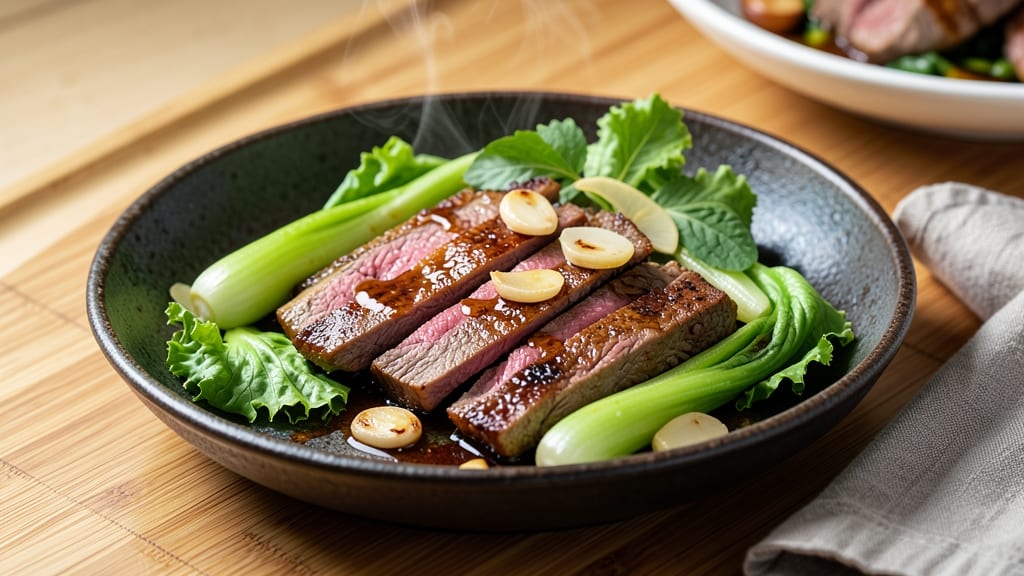
This beef and greens Chinese recipe delivers the perfect balance of wok-seared umami and silky bok choy in every bite.
The secret lies in high-heat searing of tender beef strips paired with a quick stir-fry of fresh greens, all coated in a savory-sweet sauce that captures the essence of Chinese home cooking.
I've perfected this dish over years of testing, ensuring the beef stays tender while the greens maintain their vibrant texture.
The foundation of this recipe is a proper wok hei technique—those signature smoky flavors that come from a hot, well-seasoned wok. We'll use thinly sliced beef that cooks quickly over high heat, preventing toughness, while bok choy wilts just enough to maintain its crisp-tender bite.
The sauce, made with soy sauce, oyster sauce, and a touch of sugar, adds depth without overpowering the natural flavors.
What you'll end up with is a restaurant-quality dish that's simple enough for weeknight dinners. The beef emerges perfectly seared with just a hint of char, while the bok choy remains vibrant and tender-crisp.
This recipe serves four and comes together in under 30 minutes, making it ideal for busy evenings when you still want to enjoy authentic Chinese flavors.
The beauty of this dish lies in its adaptability—swap in spinach or napa cabbage if bok choy isn't available, or adjust the sauce to your preference. Serve it over steamed rice for a complete meal that's both comforting and satisfying. Let's get cooking!
Ingredients for beef and greens chinese
Here's what you need to create this restaurant-quality beef and greens dish with authentic wok hei flavors.
| Ingredient | Amount | Notes |
|---|---|---|
| Flank Steak 🥩 | 1 lb | Thinly sliced against grain |
| Bok Choy 🥬 | 1 lb | Baby or regular, cut into halves |
| Garlic Cloves 🧄 | 4 cloves | Minced for sauce and marinade |
| Fresh Ginger 🌿 | 1 tbsp | Grated, for aromatic depth |
| Light Soy Sauce 🥄 | ½ cup | Kikkoman preferred for balance |
| Oyster Sauce 🍶 | 2 tbsp | Lee Kum Kee for authentic flavor |
| Sesame Oil 🫒 | 1 tbsp | Toasted, for finishing |
| Neutral Oil 🫒 | 2 tbsp | Vegetable or canola for frying |
| Brown Sugar 🍚 | 1 tbsp | For sauce sweetness |
| Cornstarch 🌾 | 1 tbsp | For beef tenderizing |
| Green Onions 🧅 | 2 whole | Sliced, for garnish |
| Sesame Seeds 🌱 | 1 tsp | Toasted, for crunch |
| Black Pepper 🌶️ | ½ tsp | Freshly ground |
| White Pepper 🌶️ | ¼ tsp | For subtle heat |
The beef is everything here. Flank steak gives you that perfect chewy texture when sliced thin, but sirloin or ribeye work too if you prefer. Look for well-marbled cuts at your local butcher—they'll slice it for you if you ask. I always grab Kikkoman soy sauce and Lee Kum Kee oyster sauce for that authentic umami punch, but any good-quality brands work. The bok choy should be crisp—avoid wilted heads, and if it's not available, baby spinach or napa cabbage are great swaps. Fresh ginger and garlic are non-negotiable for that aromatic base, so don't skip them.
No oyster sauce? Hoisin sauce or extra soy sauce with a splash of fish sauce gets you close. Running out of sesame oil? Toasted peanut oil works in a pinch. The cornstarch is key for tenderizing the beef—don't skip it, even if you're using the thinnest slices. If you can't find baby bok choy, cut regular bok choy into quarters so it cooks evenly. The sauce ratio is flexible: more soy for saltier, more sugar for sweeter. And if you're feeling fancy, add a dash of Shaoxing wine to the sauce for extra depth.
Prep ahead to save time: slice the beef and chop the greens first, then store separately in the fridge. The sauce keeps for 1 week in the fridge, so make extra for stir-fries later. Bok choy wilts fast, so store it wrapped in a damp towel if prepping early. This dish reheats beautifully—just add a splash of water and stir-fry again. Serve over steamed rice for the full experience, or keep it simple with noodles if you're in a hurry.
Why You'll Love This Recipe
- One-Pan Magic: I swear by this recipe when I’m too tired to wash dishes. Sear the flank steak, toss in the bok choy and garlic-ginger paste, and let the soy sauce work its magic—all on one pan. The greens wilt into tender perfection while the beef stays juicy, and honestly? I’ve never had a single pot to scrub afterward.
- Umami Bomb: That first bite of caramelized garlic and ginger hitting the tender flank steak? It’s like a flavor explosion. The light soy sauce cuts through the richness, while the bok choy adds a fresh crunch that keeps every mouthful exciting. (Yes, even my picky teenager asks for seconds.)
- Lunchbox Hero: Between us, this is my go-to for meal prep. The beef slices neatly, the greens hold up in containers, and the sauce clings to everything—no soggy salads here. Pack it for work, toss it in a bento, or reheat it for dinner. It’s the kind of dish that makes you look like a planning genius.
- Budget Flex: Flank steak stretches farther than you’d think when sliced thin, and bok choy is cheaper than most greens. A few cloves of garlic, a knob of ginger, and a bottle of soy sauce—this recipe doesn’t break the bank, but it sure feels fancy. I’ll be real: my grocery bill thanks me every time I make it.
Step-by-step instructions for wok-seared beef and greens
Here's how to transform simple ingredients into a restaurant-worthy Chinese beef and greens dish.
Prep the Beef for Maximum Tenderness
Place the 1 lb flank steak between two sheets of plastic wrap and pound it to an even ¼-inch thickness using a meat mallet. This ensures even cooking and prevents tough, chewy bites. After pounding, sprinkle both sides with 1 tbsp cornstarch and ½ tsp black pepper, then massage it into the meat so it adheres completely. Let the steak sit at room temperature for 15 minutes while you prep the rest of the ingredients.
The cornstarch creates a delicate crust that keeps the beef juicy while adding texture. Don't skip this step—it's what makes the difference between tough and tender beef. While the steak rests, slice the 2 whole green onions diagonally into ¼-inch pieces and set aside for garnish later.
Build the Flavor-Packed Sauce
In a small bowl, whisk together ½ cup light soy sauce, 2 tbsp oyster sauce, 1 tbsp brown sugar, 1 tbsp sesame oil, ½ tsp black pepper, and ¼ tsp white pepper. This sauce is the heart of your dish, balancing sweet, salty, and umami flavors. The brown sugar adds just enough caramelization to complement the beef's richness.
In a separate small bowl, mix 4 cloves minced garlic and 1 tbsp grated fresh ginger with 1 tbsp neutral oil. This aromatic paste will infuse the beef with deep, fragrant flavors. Keep both mixtures nearby—you'll use them in quick succession during cooking.
Wok-Sear the Beef to Perfection
Heat a 14-inch wok or skillet over high heat until it's smoking hot. Add 2 tbsp neutral oil and swirl to coat the surface evenly. Working quickly, add the steak slices in a single layer and let them sear undisturbed for 1-2 minutes until they develop a deep golden-brown crust on one side. This crust is crucial—it locks in juices and adds texture.
Flip the steak and immediately pour half of the garlic-ginger oil mixture over the beef. Cook for another 30-45 seconds until the second side is also browned. Remove the beef to a plate and tent loosely with foil to keep it warm. The beef should be cooked to medium-rare (around 130°F internal temperature)—it will finish cooking when combined with the sauce.
Cook the Bok Choy and Finish the Sauce
In the same wok, add the remaining garlic-ginger oil mixture and stir for 10 seconds until fragrant. Add the 1 lb halved bok choy, stems first, and stir-fry for 1-2 minutes until the stems soften slightly. The bok choy should retain its vibrant green color—overcooking will turn it mushy. Push the bok choy to one side of the wok and pour the soy sauce mixture into the empty space.
Let the sauce simmer for 30 seconds until it thickens slightly, then stir to combine everything. Return the beef to the wok and toss gently to coat in the sauce. Cook for another 1-2 minutes until the beef reaches your desired doneness. The sauce should cling to the beef and bok choy, creating a glossy, flavorful coating.
Garnish and Serve Immediately
Transfer the beef and bok choy to serving plates and drizzle with any remaining sauce from the wok. Sprinkle with 1 tsp toasted sesame seeds and the reserved green onion pieces. The contrast of textures—crispy seeds, tender beef, and silky bok choy—elevates every bite.
Serve immediately while the beef is still juicy and the bok choy retains its vibrant color. This dish is best enjoyed fresh off the wok, where the flavors are at their peak. Pair with steamed jasmine rice to soak up every last drop of that delicious sauce.
Pro Tips For Making Beef And Greens Chinese
- SEAR STEAK IN TWO BATCHES: Flank steak releases a ton of liquid when searing—crowd the pan, and you’ll steam it instead of brown it. Cut the steak into strips first, then sear half, set aside, and repeat. That way, the meat gets the crust it needs without turning into sad, gray mush.
- SLICE GINGER THINLY—NO, THINNER: I used to chop ginger like I was dicing an onion, and it just sat there, stubbornly unsoftened. For this dish, you want paper-thin slices—almost translucent—so they melt into the sauce. Use a sharp knife and press hard while slicing, or invest in a mandoline if you’re tired of fighting.
- DON’T BOIL THE BOK CHOY: Bok choy wilts fast, but if you dump it straight into boiling water or oil, it’ll turn limp and sad. Blanch it for 30 seconds max in salted water first, then shock it in ice water to stop cooking. When you toss it in later, it’ll stay crisp enough to bite into—trust me, your greens will thank you.
- UPGRADE WITH A SPLASH OF SHAOXING: Light soy sauce is great, but if you’ve got a bottle of Shaoxing wine (or even dry sherry in a pinch), add 1 tablespoon to the sauce. It deepens the flavor without overpowering the beef—like the difference between black coffee and a latte. Skip it if you’re in a rush, but the dish tastes noticeably richer when you don’t.
Best sauces and condiments for this beef and greens chinese
Classic Stir-Fry Sauce
This soy-oyster sauce blend is the backbone of your dish, delivering that signature Chinese restaurant flavor. I use ½ cup Kikkoman light soy sauce and 2 tbsp Lee Kum Kee oyster sauce for that perfect balance of umami and saltiness.
The 1 tbsp brown sugar adds just enough caramelized depth to complement the beef's richness without overpowering it. For extra authenticity, add 1 tsp Shaoxing wine to the sauce—it deepens the flavor profile beautifully. 🍶
Sesame Oil Finish
Never skip the sesame oil! I drizzle 1 tbsp toasted sesame oil at the very end, right before serving. This adds a nutty aroma and subtle richness that elevates the dish. Use 100% pure sesame oil (not the "flavored" variety) for the best results.
If you're feeling adventurous, toast 1 tsp sesame seeds in a dry pan for 30 seconds until golden, then sprinkle them on top for extra crunch and visual appeal. 🌱
Garlic-Ginger Oil Base
The aromatic garlic-ginger oil is what transforms this dish from good to restaurant-quality. Mix 4 minced garlic cloves, 1 tbsp grated fresh ginger, and 1 tbsp neutral oil (like vegetable or canola) in a small bowl. This mixture infuses the beef and bok choy with layers of flavor.
For an extra kick, add ½ tsp red pepper flakes to the oil—it adds a subtle heat that pairs perfectly with the richness of the beef. 🌶️
Cornstarch Crust
Don't underestimate the power of cornstarch in this recipe! Coating the beef with 1 tbsp cornstarch before searing creates a delicate crust that keeps the meat juicy while adding a slight crunch. This is especially important for flank steak, which can be tough if not handled properly.
For an even more tender result, marinate the beef in 1 tbsp soy sauce and 1 tsp Shaoxing wine for 15 minutes before coating it with cornstarch. 🥩
Sweet and Tangy Variations
If you prefer a sweeter sauce, increase the brown sugar to 2 tbsp and add 1 tsp honey for a glossy finish. For a tangy twist, stir in 1 tbsp rice vinegar at the end—it brightens up the dish and cuts through the richness.
I also love adding 1 tsp grated star anise to the sauce for a warm, slightly floral note that pairs beautifully with the beef. 💫
Nutrition facts
Frequently asked questions
Can I substitute flank steak with another cut of beef?
While flank steak is ideal, you can use sirloin, ribeye, or even tenderloin if preferred. The key is thin slicing (¼-inch thick) against the grain. For tougher cuts like chuck, marinate for 30-60 minutes first to ensure tenderness.
What if I don't have bok choy? What greens work best?
Bok choy is traditional, but baby spinach, napa cabbage, or gai lan (Chinese broccoli) work beautifully. For heartier greens like cabbage, cut into 1-inch pieces and stir-fry for 2-3 minutes to avoid mushiness. Spinach wilts fastest—add it last for 30 seconds of cooking.
How do I achieve that smoky wok hei flavor without a wok?
Use a carbon steel or cast-iron skillet on maximum heat until smoking hot. Add a splash of neutral oil and let it shimmer before cooking. For extra aroma, toss in ½ tsp dried chili flakes with the beef—remove before serving. A blowtorch can also create quick char marks.
Can I make this recipe ahead of time?
Cook the beef and sauce as directed, then refrigerate for up to 2 days. Reheat gently in a skillet with 1 tbsp water to prevent drying. The greens should be added fresh and cooked separately. For make-ahead sauces, prepare the soy-oyster mixture (without sesame oil) and store for 1 week.
Why is my beef tough? What did I do wrong?
Tough beef usually means either overcooking or not slicing against the grain. Use a meat thermometer—beef should reach 130°F (medium-rare). Also ensure your steak is ¼-inch thick and seared quickly over high heat. The cornstarch coating helps prevent dryness, so don't skip it!