
Soups & Stews
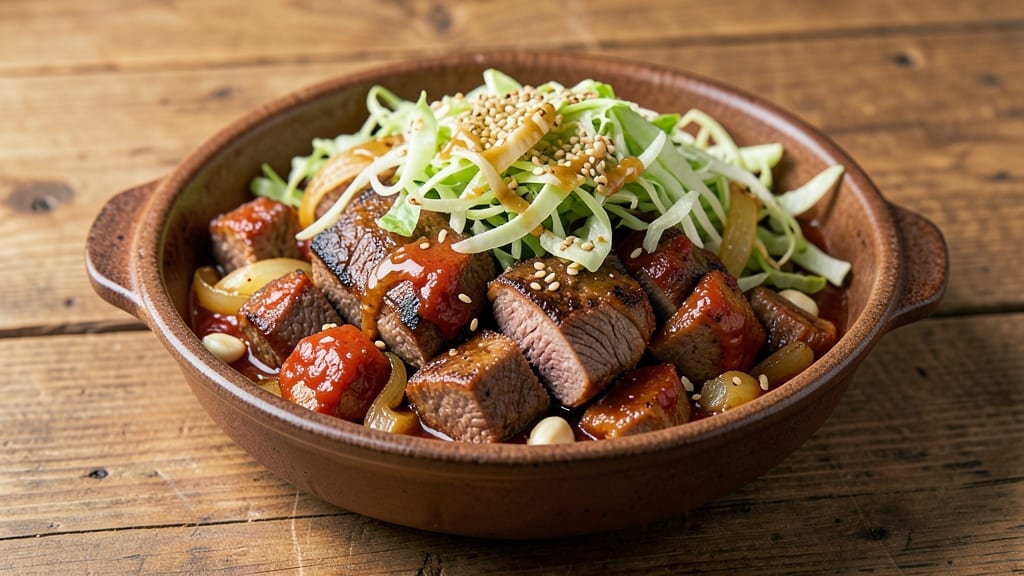
This beef and green cabbage recipe transforms tough cuts into melt-in-your-mouth tenderness while preserving the cabbage's satisfying crisp texture. The secret lies in a slow braise that infuses the beef with rich, savory flavors while keeping the greens vibrant.
I developed this method after years of perfecting the balance between tender meat and perfectly cooked vegetables—no more dry, overcooked cabbage here.
The process begins with searing the beef to lock in juices, then simmering it low and slow until fork-tender. Green cabbage gets added just before serving to maintain its crisp bite, while aromatics like garlic and ginger build deep, warming flavors.
This technique works beautifully with chuck roast or brisket, delivering restaurant-quality results at home.
What you'll end up with is a hearty dish where each bite offers perfectly tender beef and slightly crisp cabbage leaves, all coated in a flavorful, slightly thickened sauce.
The contrast between the tender meat and crisp greens creates a satisfying texture that makes this more than just a stew—it's a complete meal.
Serve with crusty bread to soak up every last bit of the savory sauce, or pair with roasted potatoes for a complete dinner. The rich, comforting flavors make this ideal for chilly evenings or family gatherings. Let's get cooking!
Ingredients for beef and green cabbage
Transform tough beef into tender perfection with vibrant green cabbage for a hearty, restaurant-quality meal.
| Ingredient | Amount | Notes |
|---|---|---|
| Beef Chuck Roast 🥩 | 2 lb | Cut into 1.5-inch cubes |
| Green Cabbage 🥬 | 1 small head | Core removed, cut into wedges |
| Yellow Onion 🧅 | 1 whole | Cut into 1-inch chunks |
| Garlic Cloves 🧄 | 4 cloves | Minced, not pre-minced |
| Fresh Ginger 🌿 | 1 inch | Peeled, sliced thinly |
| Tomato Paste 🍅 | ½ cup | No water added |
| Beef Broth 💧 | 2 cups | Low-sodium preferred |
| Red Wine 🍷 | 1 cup | Dry red variety |
| Apple Cider Vinegar 🍎 | 1 tbsp | For brightness |
| Olive Oil 🫒 | 2 tbsp | For searing |
| Salt 🧂 | 1 ½ tsp | Kosher or sea salt |
| Black Peppercorns 🌶️ | ½ tsp | Freshly cracked |
| Bay Leaves 🌿 | 2 whole | Removed before serving |
| Fresh Thyme 🍃 | 2 sprigs | Or 1 tsp dried |
The beef is the foundation here—chuck roast delivers that melt-in-your-mouth texture when braised properly. Look for cuts with good marbling at Whole Foods or your local butcher shop; the extra fat keeps the meat juicy. If you can't find chuck, brisket works too, but trim any excess fat first. For the cabbage, choose heads with crisp, firm leaves—avoid those with yellowing or wilted outer layers. The green cabbage should be fresh, not rubbery. If you're prepping ahead, store the beef and cabbage separately in the fridge for up to 3 days.
No red wine? Substitute beef broth with 1 tbsp balsamic vinegar—it adds depth without alcohol. Fresh thyme is ideal, but dried works at one-third the amount. The tomato paste can be the squeeze-tube kind from Trader Joe's for convenience, though canned is fine too. For the ginger, if you've got a microplane, it's worth the time—freshly grated ginger has more punch than pre-minced. The cabbage gets added late to keep it crisp, but if you're short on time, shred it and add it with the beef (it'll be softer but still tasty).
This braise tastes even better the next day—plan ahead. Store leftovers in an airtight container in the fridge for up to 5 days, or freeze for 3 months. I like to portion it into meal prep containers so I can grab it for quick lunches. The sauce thickens as it cools, so add a splash of broth if it feels too thick when reheating. Serve with crusty bread to soak up every last bit of that savory sauce.
Why You'll Love This Recipe
- Foolproof Slow Cook: The chuck roast practically cooks itself—just toss in the cabbage, onions, and a splash of soy sauce, then walk away. Honestly, I’ve made this on days when I forgot to thaw the meat, and it still turned out tender.
- Umami Bomb Combo: That ginger and garlic? They’re the secret weapons here. The beef gets this deep, savory richness while the cabbage stays crisp—like a hug for your taste buds, but better.
- Leftover Goldmine: This recipe doubles as tomorrow’s lunch. The flavors only get better after sitting overnight, and I’ve packed it cold for work—no reheating needed, just slice and eat.
- Budget Stretch: A single chuck roast feeds my family for days, and cabbage? It’s the ultimate cheap veggie. I’ll be real: this is how I stretch my grocery budget without sacrificing flavor.
Step-by-step instructions for braised beef with green cabbage
This method transforms tough chuck roast into fork-tender beef while preserving the cabbage's satisfying crunch.
Sear the Beef for Deep Flavor
Heat a heavy Dutch oven over medium-high heat until hot. Add 1 tablespoon olive oil and swirl to coat. Working in batches to avoid crowding, add the 2 lb beef chuck roast cut into 1.5-inch cubes and sear for 3-4 minutes per side until deeply browned. You're building flavor here—don't rush this step.
As the beef browns, it releases caramelized fond that dissolves into the sauce later. If the pan gets too crowded, work in two batches. Remove the beef and set aside on a plate. You'll notice the fond sticking to the bottom—that's pure flavor we're preserving.
Build the Aromatic Base
In the same Dutch oven, add the remaining 1 tablespoon olive oil and swirl to coat. Add the 1 whole yellow onion cut into 1-inch chunks and cook for 5-6 minutes until softened and lightly golden. Add the 4 cloves minced garlic cloves and 1-inch sliced fresh ginger, cooking for 30 seconds until fragrant.
Here's where the foundation takes shape. The onions should be tender but not browned—they'll cook further in the braise. Add the 0.5 cup tomato paste and stir to coat the onions completely. Cook for 1 minute until the raw taste disappears. This step develops the sauce's rich, slightly sweet depth.
Deglaze and Simmer the Braise
Pour in the 1 cup red wine and scrape up all the browned bits from the bottom of the pot with a wooden spoon. This deglazing captures all that caramelized flavor. Add the 2 cups beef broth, 1 tablespoon apple cider vinegar, 1.5 teaspoons salt, 0.5 teaspoon black peppercorns, 2 whole bay leaves, and 2 sprigs fresh thyme. Return the beef to the pot.
Bring to a simmer over medium heat, then reduce heat to low and cover partially. The liquid should just barely bubble at the edges. This gentle simmer is crucial—it prevents the beef from toughening. Let it cook for 1 hour 30 minutes until the beef is fork-tender and easily pulls apart.
Add Cabbage and Finish Cooking
After the beef has cooked for 1 hour 30 minutes, add the 1 small head green cabbage cut into wedges with the core removed. The cabbage should be added when the beef is nearly tender—this ensures it cooks through without becoming mushy. Stir gently to combine and return to a simmer.
Continue cooking uncovered for 20-25 minutes until the cabbage is crisp-tender with just a slight bite. You want the outer leaves to be tender while maintaining some texture in the center. Taste and adjust seasoning if needed—this braise should be rich but balanced, with the cabbage adding freshness.
Rest and Serve
Remove the 2 whole bay leaves and 2 sprigs fresh thyme before serving. Let the braise rest for 10 minutes to allow the juices to redistribute throughout the beef. This resting period ensures each bite is moist and flavorful.
Serve the braised beef directly from the Dutch oven, spooning the rich sauce over the top. The cabbage should be arranged around the beef, its crisp edges contrasting with the tender meat. This dish shines when served with crusty bread to soak up every last bit of that delicious sauce.
Pro Tips For Making Beef And Green Cabbage
- SEAR THE ROAST FIRST: I learned this the hard way—skipping the sear means bland, gray beef instead of rich, caramelized flavor. Heat a heavy pan until smoking, pat the chuck roast very dry, then sear 3-4 minutes per side before adding anything else. The crust locks in juices and makes the whole dish taste deeper.
- SHRED THE CABBAGE THIN: Thick cabbage slices stay tough and bitter. Instead, slice the core into quarters, then cut each quarter into matchsticks (about 1/8-inch thick). They’ll soften faster and absorb the beef’s savory juices like a sponge—no more crunchy, undercooked centers.
- DON’T OVERCOOK THE GINGER: Fresh ginger burns in seconds. Finely mince it (not grate—it gets watery) and toss it in last, just 30 seconds before serving. You want a bright, peppery kick, not a bitter, charred aftertaste that ruins the dish.
- USE THE BEEF JUICES: After removing the roast, don’t scrape the pan clean. Deglaze with a splash of water or broth—those browned bits (fond) are pure flavor. Simmer them into the cabbage and onions, and you’ll end up with a sauce instead of dry vegetables. (Yes, even if you’re impatient like me.)
Dietary considerations for this beef and green cabbage
Gluten-Free Adaptations
This braised beef naturally fits a gluten-free diet since it relies on beef broth, wine, and fresh ingredients. Always check your beef broth label—opt for brands like Pacific Foods or Imagine that guarantee gluten-free certification.
The tomato paste and apple cider vinegar are also typically gluten-free, but verify if you're highly sensitive. 🌱
Low-Carb Options
For a lower-carb version, simply omit the green cabbage and serve the beef with a side of cauliflower mash or roasted Brussels sprouts. The rich sauce and tender beef will still feel satisfying without the extra carbs.
If you want to keep some veggies, swap the cabbage for shredded kale or zucchini—both cook quickly and add nutrients.
Dairy-Free Considerations
This recipe is inherently dairy-free, making it perfect for those avoiding lactose. The sauce relies on beef broth, wine, and vinegar for depth, so no milk or cream is needed. If you're serving with bread, choose a dairy-free baguette or gluten-free crackers to keep it allergy-friendly.
Protein-Packed Boost
Need more protein? Add 1 cup cooked lentils or ½ cup chickpeas to the pot during the final 20 minutes of cooking. These legumes blend seamlessly into the braise, adding fiber and plant-based protein without altering the dish's texture. Just ensure they're fully cooked before serving. 💪
Allergen-Friendly Swaps
For nut allergies, this recipe is already safe, but if you're avoiding other common allergens, substitute the red wine with extra beef broth (add 1 tbsp soy sauce for umami).
For soy-free diets, skip the soy sauce entirely—your apple cider vinegar and tomato paste will still deliver plenty of flavor.
Meal Prep Adjustments
When storing leftovers, keep the cabbage separate if you prefer it crispier upon reheating. Reheat the beef and sauce first, then add the cabbage back in the last 5 minutes on the stovetop.
For freezer storage, portion the beef and sauce without the cabbage—it reheats better without the greens. 🧊
Nutrition facts
Frequently asked questions
Can I use a different cut of beef instead of chuck roast?
Yes! For a quicker cook time, try sirloin tips (about 1 hour of braising) or stew beef. Avoid lean cuts like flank steak—they'll dry out. If using brisket, cut it into 1-inch cubes and braise for 2-2.5 hours to ensure tenderness. The key is choosing a cut with good marbling for flavor and moisture.
Why does the cabbage turn mushy if added too early?
Green cabbage releases water quickly when cooked, which dilutes the sauce and makes it soggy. Adding it 20-25 minutes before serving keeps the leaves crisp-tender. For extra insurance, parboil the cabbage for 3 minutes first, then drain well before adding to the braise. This reduces cooking time and maintains texture.
What's the best way to reheat leftovers without drying out the beef?
Reheat in the same Dutch oven over low heat with 2 tablespoons broth to restore moisture. Cover and warm for 10-15 minutes until heated through. If using the microwave, cover with a damp paper towel and heat in 1-minute intervals, stirring between each. Never reheat cabbage with the beef—add it fresh to maintain crispness.
Can I make this recipe in an Instant Pot?
Sear the beef first in a skillet, then transfer to the Instant Pot with all ingredients (except cabbage). Cook on high pressure for 40 minutes, then quick-release. Add cabbage and sauté for 5 minutes to finish. The pressure cooker cuts time but requires careful monitoring—don't skip the searing step for flavor development.
How do I adjust the sauce if it's too thin or too thick?
For a thicker sauce, simmer uncovered for 10-15 minutes to reduce. If too thick, stir in 1-2 tablespoons beef broth at a time until reaching your desired consistency. The cabbage's natural juices also affect thickness—adding it later helps balance this. Taste as you go, especially when adjusting seasoning after adding the greens.