
Soups & Stews
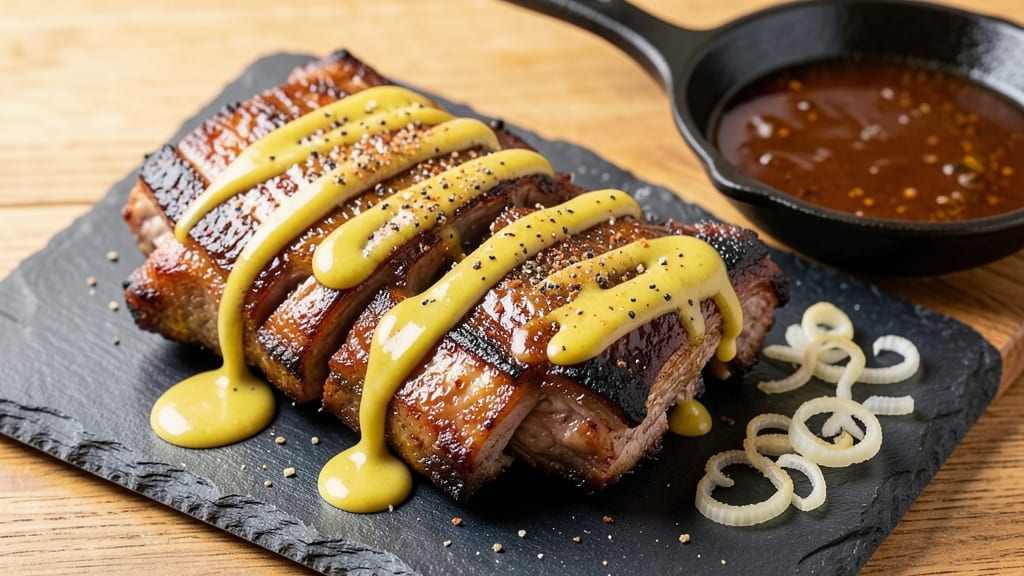
This beef back ribs recipe delivers melt-in-your-mouth tenderness with a crispy bark that rivals your favorite BBQ joint. The secret lies in a slow-smoking technique that transforms tough meat into fall-off-the-bone perfection while developing that coveted caramelized crust.
I've perfected this method over countless hours in the smoker, ensuring every bite delivers restaurant-quality results at home.
What sets this recipe apart is the balance of time and technique—no shortcuts, just a foolproof method that yields tender meat with minimal effort. We'll focus on a dry rub that enhances natural flavors while the slow cook creates that signature texture contrast between tender meat and crispy exterior.
The key is patience; letting the ribs cook low and slow ensures they stay juicy without drying out.
By the time you're done, you'll have ribs that are so tender they practically disintegrate at the touch, all wrapped in a crispy bark that's irresistibly savory. The aroma alone will have everyone gathering around your smoker or grill, and the first bite will silence any skepticism.
This is comfort food at its finest—rich, smoky, and deeply satisfying.
Serve with classic sides like coleslaw, cornbread, or baked beans to complete the meal. The beauty of this recipe is its versatility—whether you're hosting a weekend BBQ or craving a hearty weeknight dinner, these ribs deliver exceptional flavor with minimal fuss. Let's get started on creating your next showstopper dish.
Ingredients for beef back
Four pounds of meaty ribs, a smoky rub, and patience—this is all you need for restaurant-quality BBQ ribs at home.
| Ingredient | Amount | Notes |
|---|---|---|
| Beef Back Ribs 🥩 | 4 lb | Bone-in, meaty cuts preferred |
| Yellow Mustard 🍯 | ¼ cup | As binder for dry rub |
| Brown Sugar 🍚 | ½ cup | Packed, light or dark |
| Smoked Paprika 🌶️ | 2 tbsp | High-quality for smoky flavor |
| Kosher Salt 🧂 | 2 tbsp | Diamond Crystal preferred |
| Black Pepper 🌶️ | 1 tbsp | Freshly ground for best flavor |
| Garlic Powder 🧄 | 1 tbsp | Not garlic salt |
| Onion Powder 🧅 | 1 tbsp | For depth of flavor |
| Chili Powder 🔥 | 1 tbsp | Adjust for heat preference |
| Apple Cider Vinegar 🍎 | ¼ cup | For tenderizing |
| Wood Chips 🌳 | 2 cups | Hickory or oak preferred |
| Water 💧 | ½ cup | For soaking wood chips |
| Aluminum Foil 📄 | 1 sheet | For wrapping ribs |
The ribs are the star, so look for meaty cuts with good marbling—this means more flavor and tenderness. Costco and local butchers usually have the best quality, but grocery store meat sections often carry them too. If you're buying a full packer, trim off any excess fat to help the rub stick better. The ribs should be about 4 pounds total for four servings, but adjust if you're feeding more. For extra insurance against dryness, ask the butcher to cut them into individual racks if they're still connected—this helps them cook more evenly.
No yellow mustard? Dijon or mayo work in a pinch, though mustard gives the best texture for the rub to cling. Brown sugar can be swapped for white sugar plus a pinch of cinnamon if you're avoiding color. The wood chips are crucial—hickory gives classic BBQ flavor, while oak adds a slightly sweeter note. If you can't find wood chips, soak wood chunks in water for the same effect. For the rub, Penzeys or bulk spice sections are your best bet for quality, but even the regular grocery store stuff works if it's fresh. The key is to mix everything together thoroughly before applying—no dry spots on the ribs!
Store uncooked ribs in the fridge for up to 5 days or freeze them for 6 months. The dry rub can be made a day ahead and stored in an airtight container. Once cooked, ribs reheat beautifully—wrap in foil with a splash of apple juice and bake at 300°F for 15 minutes. Leftovers keep for 3-4 days in the fridge or 3 months frozen. For serving, I like to slice between the bones and arrange on a platter with extra BBQ sauce—everyone will ask for seconds.
Why You'll Love This Recipe
- Five-Ingredient Magic: I swear, this recipe proves you don’t need a 10-step process to make something special. Just ribs, mustard, sugar, paprika, and salt—no fancy prep, no stress. Honestly, I’ve made it while scrolling through my phone.
- Sweet-Smoky Bomb: That caramelized brown sugar and smoky paprika combo? It’s like a hug for your taste buds. The mustard cuts through the richness, and the salt makes every bite sing—simple ingredients, but the flavor? Ridiculously good.
- Tailgate or Tuesday: Between us, this is my go-to for game days and lazy nights in. Slap it on buns for a quick sandwich or serve it with crusty bread—it’s that versatile. My college-aged son even asks for it when I forget to order pizza.
- Leftovers That Don’t Suck: No sad, dry meat here. The ribs stay tender, and the glaze clings like it’s glued on. I’ve reheated portions for days, and they’re still juicy. Plus, it’s cheaper than takeout—win-win for my wallet and my willpower.
Step-by-step instructions for slow-smoked beef back ribs
Here's how to transform tough beef back ribs into fall-off-the-bone tender meat with that coveted crispy bark.
Prepare the Ribs for Maximum Flavor
Start by removing the ribs from the fridge and letting them sit at room temperature for 30 minutes. This ensures even cooking. Pat them dry completely with paper towels—moisture is the enemy of crispy bark. I like to trim any excess fat from the bone side, leaving about ¼ inch to protect the meat during smoking.
Next, make the dry rub by combining the 0.5 cup brown sugar, 2 tbsp smoked paprika, 2 tbsp kosher salt, 1 tbsp black pepper, 1 tbsp garlic powder, 1 tbsp onion powder, and 1 tbsp chili powder in a small bowl. Mix well until the spices are evenly distributed. The brown sugar helps create that caramelized bark while the smoked paprika adds depth of flavor.
Apply the rub generously to all sides of the ribs, pressing it into the meat so it adheres well. For extra tenderness, brush the ribs with the 0.25 cup apple cider vinegar—this helps break down tough muscle fibers. Let the ribs sit at room temperature for another 30 minutes while you prepare your smoker.
Set Up the Smoker for Perfect Tenderness
Soak the 2 cups wood chips in the 0.5 cup water for 30 minutes to prevent burning. Place them in your smoker and preheat to 225°F using only indirect heat. I prefer hickory or oak wood chips for their classic smoky flavor, but fruitwoods like cherry add a subtle sweetness if you like variety.
When the smoker reaches temperature and you see steady, thin blue smoke (not thick white steam), place the ribs bone-side down on the grill grates. This position allows the fat to render and baste the meat as it cooks. The ribs should be positioned away from direct heat to ensure even, slow cooking.
Close the lid and resist the urge to peek—every time you open it, you lose heat and extend cooking time. Let the ribs smoke undisturbed for 2 hours, or until the internal temperature reaches 165°F. This is when you'll hit "the stall," where the meat temperature stops rising as moisture evaporates.
Wrap and Finish for Maximum Juiciness
At the 2-hour mark, check the internal temperature with a meat thermometer. If it's around 165°F and the ribs are still firm, it's time to wrap them. This technique, called the "Texas crutch," helps push through the stall and ensures tender meat.
Tear off a large piece of the 1 sheet aluminum foil and place the ribs on it. Fold the foil tightly around the ribs, creating a sealed packet. Return the wrapped ribs to the smoker and continue cooking until the internal temperature reaches 200-203°F and the meat is fork-tender. This usually takes another 2-3 hours, but don't rush it—patience is key for tender ribs.
You'll know they're done when the meat pulls apart easily with a fork and the edges of the foil are slightly charred from the smoke. The ribs should have a deep mahogany color and a rich, smoky aroma that fills your kitchen.
Rest and Serve for Perfect Texture
Remove the ribs from the smoker and let them rest on a cutting board for 15-20 minutes. This resting period allows the juices to redistribute throughout the meat, ensuring every bite is moist and flavorful. Don't skip this step—it's what separates good ribs from exceptional ribs.
Unwrap the ribs and slice them between each bone for easy serving. The meat should be tender enough to pull apart with a gentle tug, and the bark should be crispy yet not burnt. Serve immediately with your favorite barbecue sauce or a simple vinegar-based mop for dipping.
Each rib should deliver a perfect balance of smoky flavor, tender meat, and that irresistible crispy exterior. The apple cider vinegar tenderizes the meat while the dry rub creates a complex flavor profile that's both sweet and smoky. Enjoy your slow-smoked beef back ribs—this is the kind of dish that makes gathering friends and family worth it!
Pro Tips For Making Beef Back
- SEAR THE FAT SIDE DOWN: Beef back ribs have a thick fat cap that renders down into flavor gold—don’t skip this. Sear the meaty side first over medium-high heat until deeply browned (about 5 minutes), then flip the ribs fat-side down to melt that fat into the pan. I used to rush this, and the ribs never tasted as rich.
- BRINE THE RIBS OVERNIGHT: Skip the dry rub for this one—beef back ribs need a wet cure to stay tender. Mix 1 cup kosher salt with 4 cups water, add 2 tablespoons brown sugar, and submerge the ribs for 12–24 hours. The salt penetrates deep, but don’t overdo it—muscle meat doesn’t need as much time as bone-in cuts.
- WRAP IN FOIL AT 275°F: After searing, transfer the ribs to a baking dish and wrap tightly in foil. Cook at 275°F for 2–2.5 hours—low and slow is non-negotiable here. The foil traps steam, breaking down collagen without drying out the meat. I learned this the hard way after serving rubbery ribs to a crowd.
- SAVE TIME WITH MUSTARD BASIS: Yellow mustard isn’t just for glaze—use it as a binder for the rub. Mix 2 tablespoons mustard with 1 tablespoon brown sugar, 1 teaspoon smoked paprika, and 1 teaspoon salt, then coat the ribs before searing. It sticks better than dry rub alone and adds tangy depth. (Yes, even if you’re impatient like me.)
Storing and reheating your beef back
Refrigerator Storage
Store your cooked beef back ribs in an airtight container with a splash of apple cider vinegar or beef broth to keep them moist. The ribs will stay fresh in the fridge for 3-4 days—just reheat them gently to preserve that crispy bark.
I like to wrap them tightly in plastic wrap before placing in the container to lock in moisture. 💫
Freezer Storage
For long-term storage, freeze ribs in single-serving portions wrapped tightly in heavy-duty aluminum foil or freezer bags. They’ll keep for up to 3 months without losing texture or flavor. When ready to eat, thaw overnight in the fridge and reheat using the oven method below. 🧊
Oven Reheating
Preheat your oven to 300°F and place ribs on a baking sheet lined with foil. Cover loosely with another sheet of foil and bake for 15-20 minutes—this gentle heat prevents drying out.
For extra crispiness, broil for 1-2 minutes at the end. Add a splash of water or apple cider vinegar if they look dry. 🔥
Microwave Method
For quick reheating, cover ribs with a damp paper towel and microwave on medium power for 2-3 minutes. Stir or flip halfway, then continue in 30-second bursts until reaching 165°F. Avoid high power—it turns ribs rubbery. A splash of broth or BBQ sauce helps restore moisture. ⚡
Reviving Crispy Bark
If the bark loses crispiness during storage, broil the ribs for 2-3 minutes at the end of reheating. Brush with a little melted butter or olive oil before broiling to restore that golden crust. This works especially well for oven-reheated ribs. 🌟
Leftovers Hack
Turn leftover ribs into ribs and potatoes hash by dicing and sautéing with diced potatoes, onions, and a splash of apple cider vinegar. Top with a fried egg for breakfast the next day—trust me, it’s delicious! This keeps ribs from feeling like leftovers. 🍳
Nutrition facts
Frequently asked questions
What's the best cut of beef back for ribs?
Look for meaty, bone-in cuts with good marbling—this ensures maximum tenderness and flavor. The beef back ribs (also called beef plate ribs) are ideal because they have more meat than baby back ribs and develop incredible texture when slow-smoked. Ask your butcher for 4-5 bone racks (about 4 pounds total) for four servings.
Can I cook beef back ribs without a smoker?
Use an oven or grill instead. For oven cooking, wrap the ribs in foil after 2 hours at 225°F and continue until 200°F internal temp. For grill cooking, use indirect heat and follow the same wrapping technique. The key is maintaining low and slow cooking to achieve tenderness.
Why does my beef back ribs recipe turn out tough?
Tough ribs usually mean cooking too fast or not enough time at the right temperature. The Texas crutch (foil wrapping) is essential—it pushes through the stall and ensures tender meat. Always cook until 200-203°F internal temp and let them rest for 15-20 minutes before slicing. Patience is key!
What's the difference between beef back ribs and pork ribs?
Beef back ribs are leaner and more flavorful than pork ribs, with a firmer texture that benefits from slow cooking. They have a distinct beefy taste and require longer cooking times (often 6-8 hours total) to become tender. Pork ribs cook faster (3-4 hours) and are more forgiving for beginners. vs
Can I use a different wood for smoking?
While hickory or oak are classic choices, you can experiment! Cherry adds sweetness, mesquite gives a bold flavor, and pecan offers a nutty note. Avoid pine (too resinous) and cedar (can taste bitter). Soak wood chips for 30 minutes to prevent burning and maintain steady smoke.