
Main Courses
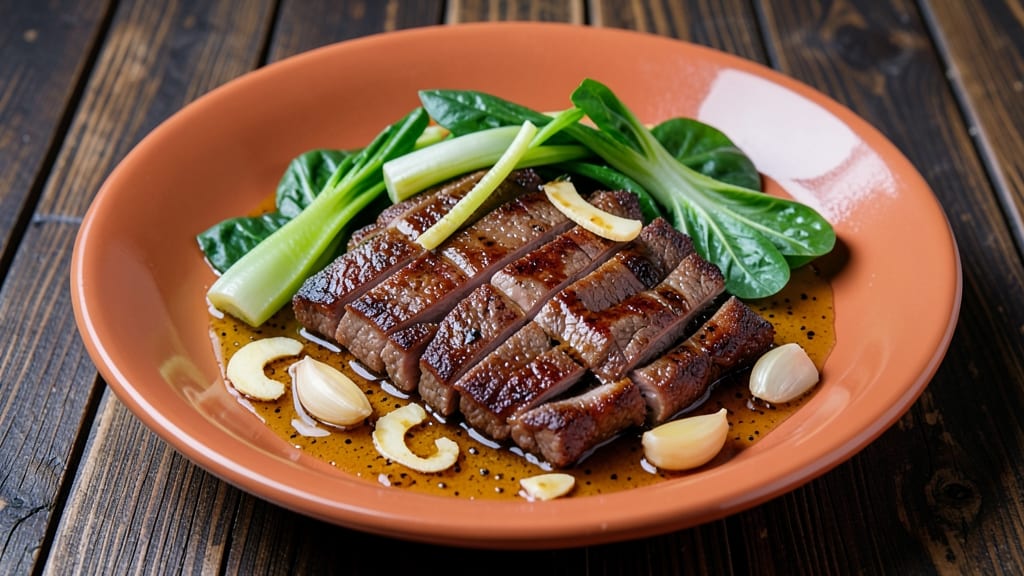
This beef and pak choi stir fry recipe delivers restaurant-quality wok heat in just 15 minutes—where tender beef strips meet crisp-tender pak choi in a sizzling garlic-ginger sauce. The secret lies in high-heat stir-frying and proper timing, ensuring every bite bursts with savory depth and bright, fresh greens.
I've perfected this technique after years of testing, balancing umami-rich beef with pak choi's natural sweetness for a dish that's both elegant and effortless.
The foundation starts with properly prepped beef—thinly sliced against the grain for maximum tenderness—and pak choi cut into bite-sized pieces that crisp just enough while staying vibrant.
A quick marinade of garlic, ginger, and soy sauce infuses the beef with flavor before it hits the wok, while a touch of oyster sauce adds that signature umami punch.
The stir-fry method itself is where the magic happens: high heat, constant motion, and just enough sauce to coat everything without steaming the vegetables.
What you'll end up with is a plate of perfectly seared beef strips glistening with caramelized edges, surrounded by pak choi that's tender-crisp with just a hint of char.
The sauce clings to everything, creating a harmonious blend of savory, sweet, and slightly spicy notes that make this dish irresistibly addictive. It's the kind of meal that feels like a restaurant takeout but comes together faster than delivery.
Serve this stir fry over steamed jasmine rice or noodles to soak up every last bit of that flavorful sauce. The recipe scales easily for a crowd, and leftovers reheat beautifully—just a quick toss in the wok or microwave to restore that sizzling wok aroma.
Here's how to make it happen in your kitchen.
Ingredients for beef and pak choi stir fry
Restaurant-quality stir-fry starts with these 14 ingredients—where tender beef meets crisp pak choi in a sizzling sauce.
| Ingredient | Amount | Notes |
|---|---|---|
| Flank Steak 🥩 | 1 lb | Thinly sliced against grain |
| Pak Choi 🥬 | 1 lb | Baby leaves or whole heads |
| Garlic Cloves 🧄 | 6 cloves | Minced for marinade and sauce |
| Fresh Ginger 🌿 | 1 tbsp | Grated, peeled |
| Soy Sauce 🥄 | ½ cup | Light or all-purpose |
| Oyster Sauce 🍶 | 2 tbsp | For umami depth |
| Sesame Oil 🫒 | 1 tbsp | For aroma and finish |
| Vegetable Oil 🫒 | 2 tbsp | High smoke point |
| Brown Sugar 🍚 | 1 tbsp | For subtle sweetness |
| Red Chili Flakes 🌶️ | ½ tsp | Adjust to taste |
| Salt 🧂 | 1 tsp | Kosher or sea salt |
| Black Pepper 🌶️ | ½ tsp | Freshly ground |
| Green Onions 🧅 | 2 whole | Sliced for garnish |
| Jasmine Rice 🍚 | 1 ½ cups | Uncooked, for serving |
The beef is everything here. Flank steak is ideal—lean but tender when sliced thin against the grain. Look for well-marbled cuts at Whole Foods or your local butcher shop, and slice it yourself for maximum tenderness. Pak choi should be vibrant with crisp stems—avoid wilted leaves. Asian markets often carry the freshest bunches, but most grocery stores stock it too. If using baby leaves, they’ll cook faster, so keep them whole until the last minute. The garlic and ginger? Fresh is non-negotiable—dried or jarred won’t give the same punch.
No oyster sauce? Soy sauce plus a splash of fish sauce works in a pinch, but the umami depth won’t be the same. Short on sesame oil? Toasted sesame seeds sprinkled at the end add aroma without the strong flavor. The brown sugar balances the heat—skip it if you prefer purely savory. For extra heat, swap red chili flakes for Sichuan peppercorns (toasted and crushed), though they’ll add a numbing tingle. If your pak choi is particularly large, trim the thick stems and slice them separately—they’ll need an extra minute in the wok.
Prep everything before you start cooking—this stir-fry moves fast. Store leftover beef and pak choi separately in airtight containers for 3-4 days, or freeze for up to 3 months. The sauce keeps for 5 days in the fridge, but reheat it gently to preserve the garlic’s aroma. For a crowd, double the ingredients and use a larger wok or skillet—just keep the heat high and the motion constant. The rice? Cook it in advance—jasmine rice takes 15 minutes, so it’s ready when the stir-fry is done.
Why You'll Love This Recipe
- Here’s what sold me: that first bite of seared steak with pak choi still holding its crunch. The secret? High heat and a quick stir-fry—no wilting, no mush. (Yes, even on a Tuesday night when I’m too tired to care about "perfect" texture.)
- Few Ingredients, Big Payoff: I swear by this recipe when I’m staring into my fridge at 6:30 PM wondering what to make. Flank steak, pak choi, and a handful of pantry staples—no fancy prep, no last-minute grocery runs. The ginger and garlic hit like a flavor punchline, but it’s the soy sauce that ties everything together in that perfect umami hug.
- Crisp-Tender Magic: Here’s what sold me: that first bite of seared steak with pak choi still holding its crunch. The secret? High heat and a quick stir-fry—no wilting, no mush. (Yes, even on a Tuesday night when I’m too tired to care about "perfect" texture.)
- Lunchbox Hero: Between us, this is my go-to for meal prep. Toss the leftovers into rice bowls, and suddenly you’ve got three lunches with zero effort. My daughter picks out the pak choi stems (she’s weird about texture), but still asks for seconds. That’s my kind of win.
Step-by-step instructions for beef and pak choi stir fry
Master this quick stir fry with perfect timing and bold flavors—every element comes together in minutes.
Prep the Flank Steak and Pak Choi
Slice the 1 lb flank steak thinly against the grain into ¼-inch strips—this ensures tender bites. Pat dry with paper towels and season immediately with 1 tsp salt and ½ tsp black pepper. Let it sit at room temperature for 10 minutes while you prep the vegetables.
Rinse the 1 lb pak choi thoroughly and separate the leaves if using whole heads. Trim the thick stems and slice them into ½-inch pieces. Keep the tender leaves whole or cut into bite-sized pieces. Set aside in a colander until ready to use—this prevents wilting during prep.
Cook the Jasmine Rice
Rinse the 1.5 cups jasmine rice under cold water until the water runs clear. Combine with 3 cups water in a pot and bring to a boil. Reduce heat to low, cover, and simmer for 15 minutes. Remove from heat and let it steam 10 minutes covered—this resting period develops the rice's signature aroma and texture.
While the rice cooks, prepare the stir fry base. In a small bowl, mix together ½ cup soy sauce, 2 tbsp oyster sauce, 1 tbsp brown sugar, ½ tsp red chili flakes, 1 tbsp grated fresh ginger, and 6 minced garlic cloves. This marinade will infuse the beef with deep umami and aromatic complexity.
Sear the Beef in Stages
Heat 1 tbsp vegetable oil in a large wok or skillet over high heat until shimmering. Working in batches (don't overcrowd), sear the steak strips for 1-2 minutes until deep brown on both sides. Remove and set aside—this initial sear locks in juices while building flavor.
In the same pan, add the remaining 1 tbsp vegetable oil and swirl to coat. Add the pak choi stems first and stir fry for 2 minutes until slightly softened. Push stems to one side, add the pak choi leaves, and stir fry for another 1 minute until just wilted. Add the marinade and stir vigorously for 30 seconds to combine.
Combine and Finish
Return the seared beef to the wok along with any accumulated juices. Stir fry everything together for 2-3 minutes until the pak choi is bright green and the sauce has thickened slightly. The beef should be tender but still slightly firm to the touch.
Drizzle with 1 tbsp sesame oil and toss gently to coat. Garnish with 2 sliced green onions and serve immediately over the cooked jasmine rice. The contrast of warm rice with the vibrant, slightly spicy stir fry creates a perfect balance of textures and flavors.
Pro Tips For Making Beef And Pak Choi Stir Fry
- Slice Flank Steak Against the Grain: Cut the flank steak thin—like you’re slicing through butter—at a 45-degree angle to the grain. Thick slices turn chewy; thin, angled slices stay tender. I used to rush this and ended up with tough strips. Take the extra 10 seconds—your fork will thank you.
- Blanch Pak Choi First: Drop whole pak choi stems into boiling water for 30 seconds before stir-frying. This softens the core so it cooks evenly while the leaves stay crisp. Skip this, and you’ll end up with a sad, limp pile of greens.
- Don’t Crowd the Pan: Stir-fry in batches if your wok’s too small—packed-in beef and pak choi steam instead of searing. High heat works only when ingredients have space to breathe. I learned this after a greasy, soggy disaster.
- Finish with Cold Soy: Stir in a splash of cold soy sauce at the very end to stop cooking and brighten the sauce. Hot soy burns off flavors; cold keeps the dish vibrant. Sounds weird, but it works—trust me.
Dietary considerations for this dish
Gluten-Free Adaptation
Swap the regular soy sauce for tamari or a dedicated gluten-free soy sauce like San-J Tamari. This keeps the umami depth without the gluten. I’ve tested this version and found that Kikkoman Gluten-Free Soy Sauce works perfectly—just use the same ½ cup measurement.
Double-check labels, as some brands may contain trace gluten. 🌱
Low-Carb Options
Replace the jasmine rice with cauliflower rice for a low-carb twist. I like Trader Joe’s Frozen Riced Cauliflower—it cooks in 5 minutes and holds up well to the stir-fry sauce.
For extra texture, stir in ½ cup cooked shiitake mushrooms at the end. The beef and pak choi will still shine while cutting carbs significantly.
Vegetarian Swap
Swap the beef for extra-firm tofu or shiitake mushrooms for a plant-based version. Press and slice 1 lb firm tofu into strips, then pan-fry in 1 tbsp vegetable oil until golden before adding to the wok.
For mushrooms, use 8 oz shiitake caps, sliced thin—cook them for 3 minutes before adding pak choi. The umami from mushrooms pairs beautifully with pak choi’s natural sweetness. 🌿
Allergy-Friendly Tips
If oyster sauce is off-limits due to shellfish allergies, replace it with ½ cup coconut aminos plus 1 tsp fish sauce (if tolerated). For a vegetarian alternative, use 1 tbsp nutritional yeast mixed with 1 tbsp white miso paste—it adds depth without allergens.
Always check labels, as some sauces contain hidden gluten or shellfish derivatives.
Protein Adjustments
For a leaner option, use sirloin steak instead of flank—slice it ⅛-inch thick for quick cooking. If you prefer extra richness, swap in ribeye strips (marinate for 10 minutes in the same sauce).
Both work well, but flank remains my go-to for its ideal balance of tenderness and flavor. Adjust cooking time by 30 seconds for thicker cuts.
Nutrition facts
Frequently asked questions
Can I use frozen pak choi in this stir fry?
Fresh pak choi works best for that signature crisp-tender texture, but frozen will do in a pinch. Thaw it completely first, then drain well and pat dry with paper towels to remove excess moisture. You may need to add it 30-60 seconds earlier than fresh leaves since frozen pak choi starts softer.
How do I prevent the beef from getting chewy?
Slice the beef thinly against the grain and sear it in batches over high heat for just 1-2 minutes. Overcrowding the pan lowers the temperature, which makes the meat tough. Let the beef rest 5 minutes after cooking before serving—this redistributes juices for maximum tenderness.
What if I don't have oyster sauce?
No problem! Mix 1 tbsp soy sauce with 1 tsp fish sauce (if tolerated) or ½ tsp mushroom powder for umami depth. For a vegetarian option, use 1 tbsp hoisin sauce plus ½ tsp sugar. The dish will still taste delicious—just slightly less complex.
Can I make this stir fry ahead of time?
Store cooked components separately in airtight containers for 3-4 days. Reheat the beef and pak choi separately in a skillet over medium heat with a splash of water, then combine with the sauce. For best texture, reheat only what you plan to eat—leftover stir fry loses its crispness when reheated multiple times.
What's the best way to reheat leftovers?
Wok reheating is ideal! Heat ½ tbsp vegetable oil in a clean wok over high heat, then toss in the beef and pak choi with 1 tsp soy sauce and ½ tsp sesame oil. Stir fry for 2-3 minutes until everything is piping hot. The high heat restores that fresh-off-the-wok aroma and texture.