
Soups & Stews
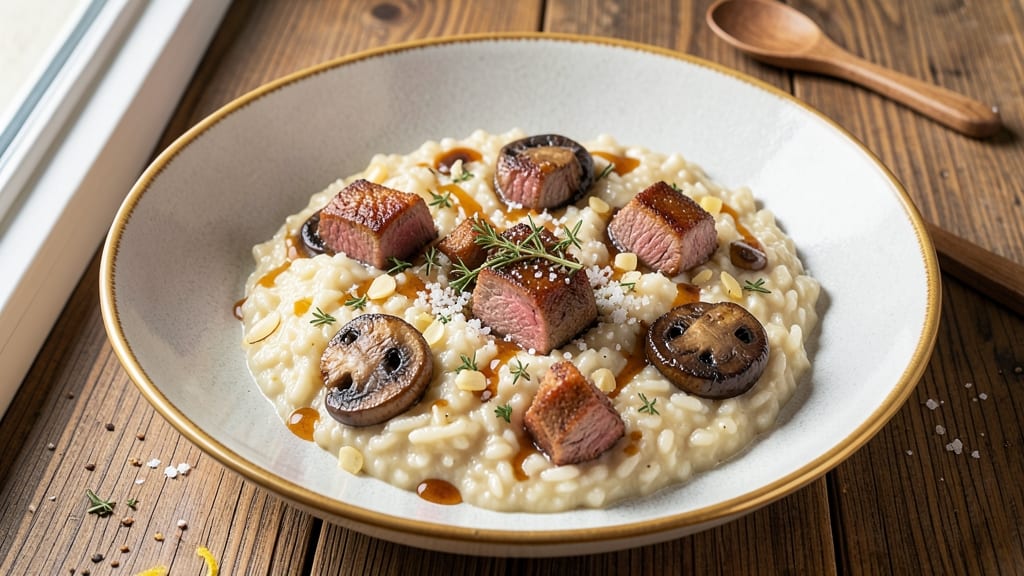
This beef and mushroom risotto recipe delivers restaurant-quality creaminess in a single pot, transforming simple ingredients into a velvety masterpiece. The secret lies in slow-cooking Arborio rice with beef and mushrooms, where each spoonful reveals layers of umami and earthy depth.
I've perfected this method to ensure creamy texture without heavy cream, using just broth, wine, and proper stirring technique.
The key to authentic flavor starts with toasting mushrooms and beef in olive oil until deeply caramelized, creating a rich foundation for the risotto. Deglazing with white wine removes any browned bits, infusing the dish with bright acidity that balances the richness.
This method builds flavor gradually, ensuring every bite is packed with depth and texture.
What you'll achieve is a creamy, golden risotto with tender beef and mushrooms perfectly integrated into the rice. The exterior remains slightly al dente for bite, while the interior melts like silk.
This dish is elegant enough for dinner parties but simple enough for weeknight meals, proving that homemade risotto doesn't require hours of fuss.
Serve immediately with grated Parmesan and fresh herbs for maximum flavor impact. The technique is approachable yet professional, making it perfect for both beginners and experienced cooks. Let's create this creamy masterpiece together.
Ingredients for beef and mushroom risotto
Transform simple pantry staples into restaurant-quality risotto with these carefully selected ingredients.
| Ingredient | Amount | Notes |
|---|---|---|
| Arborio Rice 🍚 | 1 ½ cups | Unrinsed for optimal starch release |
| Chuck Roast 🥩 | 1 lb | Cubed into 1-inch pieces |
| Cremini Mushrooms 🍄 | 8 oz | Sliced into 1/4-inch pieces |
| Shallots 🧅 | 2 whole | Finely minced |
| Garlic Cloves 🧄 | 4 cloves | Minced into fine paste |
| Dry White Wine 🍷 | ½ cup | Sauvignon Blanc preferred |
| Beef Broth 💧 | 4 cups | Low-sodium, room temperature |
| Extra-Virgin Olive Oil 🫒 | ¼ cup | High-quality, fruity variety |
| Parmesan Cheese 🧀 | ½ cup | Freshly grated from block |
| Unsalted Butter 🧈 | 2 tbsp | Cold, cubed |
| Fresh Thyme 🌿 | ¼ cup | Leaves only, chopped |
| Salt 🧂 | 1 ½ tsp | Diamond Crystal preferred |
| Ground Black Pepper 🌶️ | ½ tsp | Freshly cracked |
The Arborio rice is non-negotiable—its high starch content creates that signature creamy texture. Lidi or Carnaroli are premium alternatives, but Arborio delivers consistent results. For the beef, chuck roast offers the best balance of flavor and tenderness when cubed properly. Mushrooms should be fresh and firm—avoid pre-sliced varieties that oxidize quickly. Shallots add delicate sweetness; Whole Foods or local farmers markets often carry them pre-minced for convenience. The white wine should be dry and crisp, not sweet—anything you'd drink with seafood works perfectly.
No Arborio rice? Carnaroli or Vialone Nano are direct substitutes, though they may require slightly more broth. Pre-sliced mushrooms? Pat them dry thoroughly to prevent excess moisture. Substituting wine? Dry vermouth or additional broth maintains acidity, though wine's depth is ideal. For the Parmesan, grate it yourself—pre-shredded contains anti-caking agents that prevent proper melting. Butter can be swapped for olive oil, though it adds a different richness. Fresh thyme is ideal, but dried at one-third the amount works in a pinch. Always taste the broth—season it generously before adding to the pot.
Store unused Arborio rice in an airtight container for up to 6 months; Parmesan keeps indefinitely in the freezer. The cubed beef can be prepped ahead and refrigerated for 2 days before cooking. Mushrooms release moisture quickly, so slice them just before toasting. This risotto reheats beautifully—simmer with an extra splash of broth until creamy. For leftovers, cover with parchment paper to prevent a skin from forming. The dish is best served immediately, but can hold for 1 hour at room temperature while maintaining texture.
Why You'll Love This Recipe
- I swear by this method: just toast the shallots and garlic until they’re golden, then let the Arborio rice work its magic with the beef broth. No stirring like a maniac—just occasional gentle folds, and you’ll get that signature creamy texture without the stress.
- No-Fuss Technique: I swear by this method: just toast the shallots and garlic until they’re golden, then let the Arborio rice work its magic with the beef broth. No stirring like a maniac—just occasional gentle folds, and you’ll get that signature creamy texture without the stress.
- Umami Bomb: That slow-cooked chuck roast? It melts into the risotto, rich and tender, while the earthy cremini mushrooms add depth. Honestly, the first bite makes me forget I’m not at my favorite Italian spot.
- Weeknight to Dinner Party: Same recipe, different vibes. Serve it with a crusty baguette for a lazy Sunday supper, or drizzle with truffle oil and garnish with parsley for a fancier dinner. My in-laws think I’m a chef—don’t tell them it’s my shortcut.
Step-by-step instructions for beef and mushroom risotto
Master this technique and you'll achieve restaurant-quality risotto with perfect creaminess and texture.
Sear the Chuck Roast and Sauté the Aromatics
Heat the 0.25 cup extra-virgin olive oil in a heavy-bottomed pot over medium-high heat. Add the 1 lb chuck roast cubed into 1-inch pieces and cook undisturbed for 5-6 minutes until the meat develops a deep golden brown crust. This step builds foundational flavor through the Maillard reaction.
Remove the beef with tongs and set aside. In the same pot, reduce heat to medium and add the 2 whole shallots and 4 cloves garlic cloves that have been minced into a fine paste. Cook for 3-4 minutes until the shallots soften and become translucent, but don't let them brown. Add the 8 oz cremini mushrooms sliced into ¼-inch pieces and cook for another 5 minutes until they release their moisture and develop a rich color.
Toast the Arborio Rice and Deglaze with Wine
Add the 1.5 cups arborio rice to the pot and stir to coat in the mushroom juices and rendered beef fat. Toast the rice for 2 minutes until you can smell its nutty aroma - this step develops the rice's starch potential. Season immediately with 1 tsp salt and 0.25 tsp ground black pepper (save the remaining seasoning for later).
Pour in the 0.5 cup dry white wine and stir vigorously, scraping up any browned bits from the bottom of the pot. Let the wine reduce by half (about 2 minutes) before adding the first ladle of beef broth. The wine should fully evaporate before adding more liquid - this prevents the rice from becoming watery.
Cook the Risotto with Proper Liquid Management
Add ½ cup hot beef broth at a time, stirring constantly for 2-3 minutes after each addition until the liquid is nearly absorbed. The rice should be al dente but still slightly firm to the bite. Maintain medium-low heat throughout this process - too high will cook the rice too quickly, resulting in a mushy texture.
After about 15 minutes, the rice should have absorbed most of the broth and developed a creamy consistency. Add the reserved chuck roast back to the pot and stir gently to distribute. Continue adding broth ¼ cup at a time until the rice reaches your desired creaminess (approximately 25-30 minutes total). The final texture should be velvety with a slight resistance when pressed between fingers.
Finish with Butter, Cheese and Fresh Thyme
Remove the pot from heat and stir in the 2 tbsp cold unsalted butter and 0.5 cup freshly grated parmesan cheese. The butter will melt into a luxurious emulsion while the cheese adds depth of flavor. Add the 0.25 cup chopped fresh thyme leaves and the remaining 0.5 tsp salt and 0.25 tsp ground black pepper. Taste and adjust seasoning - risotto benefits from bold seasoning at the end.
Let the risotto rest for 1-2 minutes before serving to allow the starches to fully set. The final dish should be creamy yet still have a slight bite in the center of each grain. Serve immediately with additional parmesan cheese and fresh cracked black pepper on top - this dish doesn't reheat well, so enjoy it fresh from the pot.
Pro Tips For Making Beef And Mushroom Risotto
- Sear the Chuck Roast First: Cut the chuck into ½-inch cubes, then sear them in batches in a cold pan—no oil needed at first. Let the meat hit the pan, then add a splash of broth and scrape up those browned bits. That’s where all the flavor hides, and skipping it means bland beef.
- Toast the Mushrooms Low and Slow: Slice the cremini mushrooms thick and cook them on medium-low heat for 8-10 minutes. They’ll release moisture, but the slow cook keeps them tender, not soggy. High heat turns them into a watery mess—trust me, I’ve learned this the hard way.
- Stir the Risotto Like You Mean It: Use a wooden spoon and work the rice in quick, firm strokes from the edges toward the center. This chops the rice, releases starch, and ensures even cooking. Lazy stirring = gummy risotto. (Yes, even if you’re impatient like me.)
- Save the Last Broth for Finish: Keep a small cup of warm broth reserved until the very end. When the rice is al dente, stir in this last splash and let it sit for 30 seconds—no stirring. The residual heat will plump the grains perfectly. I skip this all the time, but the difference is noticeable.
Essential equipment for great beef and mushroom risotto
Heavy-Bottomed Pot
Your risotto pot is the most critical piece of equipment—never use a thin, nonstick pan. I swear by a 6-8 quart enameled cast iron Dutch oven like the Le Creuset Signature or All-Clad Stainless Steel.
These pots distribute heat evenly and maintain consistent temperatures, which is essential for creamy risotto. The deep sides prevent splattering when stirring, and the heavy material ensures steady cooking without hot spots. 🔥
Wooden Spoon
A long-handled wooden spoon (at least 12 inches) is a risotto chef's best friend. I recommend Oxo Good Grips or Lodge Cast Iron wooden spoons—they're sturdy, heat-resistant, and won't scratch your pot.
The length helps you stir continuously without burning your hands, and the wide surface area distributes heat evenly. Avoid metal spoons—they can scratch the pot and release harmful chemicals when heated.
Fine-Mesh Strainer
For straining your beef broth, a fine-mesh strainer (like the OXO Good Grips) ensures a smooth, sediment-free liquid. I use it to strain homemade broths or even store-bought ones if they're cloudy. The fine mesh catches any small particles that could make your risotto gritty.
Pro tip: Line it with a cheesecloth for extra filtration if needed. This small investment makes a big difference in texture.
Kitchen Timer
Risotto requires precise timing—every addition of broth must be monitored closely. A digital kitchen timer (like the Cuisinart CT-60) is essential for tracking the 2-3 minute intervals between broth additions. Set it for each step: toasting the rice, reducing the wine, and monitoring the final texture.
I also use it to remind myself to stir constantly—risotto burns easily if left unattended. 💡
Cheese Grater
Freshly grated Parmesan is non-negotiable for authentic flavor. A microplane grater (like the Bar-Kays) or a box grater with fine holes works best. Pre-shredded cheese contains anti-caking agents that prevent proper melting and can make your risotto grainy.
Grate your own cheese just before adding it to the pot—it releases more fat and flavor instantly. For extra convenience, store pre-grated cheese in the freezer to preserve freshness.
Measuring Cups
Precision is key with risotto—using dry measuring cups (like the OXO Good Grips) ensures you add the exact 1.5 cups of Arborio rice and 4 cups of broth required. Liquid measuring cups with spouts help when pouring wine or broth.
I keep my measuring tools near my stove for quick access. Never eyeball measurements—risotto relies on the starch-to-liquid ratio for perfect creaminess. A small miscalculation can turn your dish mushy or undercooked. ✨
Nutrition facts
Frequently asked questions
Can I substitute Arborio rice with another type?
For best results, use Arborio or Carnaroli rice—they contain the right starch for creamy texture. Jasmine or basmati won't work as they lack the necessary starch content. If you must substitute, use Vialone Nano, another high-starch Italian variety. Never rinse the rice—this removes the starch that creates creaminess!
Why does my risotto turn out mushy?
Mushy risotto usually means either too much liquid or too high heat. Always add broth gradually and stir constantly over medium-low heat. The rice should be al dente when finished—it should have a slight bite in the center. If it's still too wet, cook uncovered for 2-3 minutes to evaporate excess moisture.
Can I make this ahead of time?
Risotto is best served immediately, but you can prep components ahead. Toast the mushrooms and beef, then refrigerate for 2 days. For the rice, cook it al dente (about 15 minutes before final texture), then finish with butter and cheese just before serving. Reheat gently with a splash of broth if needed.
What's the best wine to use?
Use a dry white wine like Sauvignon Blanc or Pinot Grigio—avoid sweet varieties. The acidity brightens the dish, while the alcohol helps develop flavor. If you don't have wine, substitute with dry vermouth or even extra broth (though wine adds depth). Never use cooking wine—it's too salty and lacks flavor.
How do I know when the risotto is done?
The perfect risotto should be creamy with a slight resistance when pressed between fingers. Taste a grain—it should be al dente (slightly firm in the center) with a velvety coating. If it's too firm, add a splash of warm broth. If it's too loose, cook uncovered for 1-2 minutes to thicken. The total cooking time should be 25-30 minutes.